Beneath the shimmering waves of the Mediterranean Sea lies Pavlopetri, a Bronze Age wonder that rewrites our understanding of ancient urban planning and maritime civilization. 🌊
The Enigmatic Discovery That Changed Underwater Archaeology Forever
In 1967, oceanographer Dr. Folkion Negris first documented unusual structures beneath the waters off southern Laconia, Greece, but it wasn’t until 1968 that the true significance of Pavlopetri emerged. When marine geologist Dr. Nick Flemming and his team from the University of Cambridge conducted their groundbreaking survey, they uncovered something extraordinary: an entire Bronze Age city, remarkably preserved beneath approximately three to four meters of water.
What makes Pavlopetri truly exceptional isn’t merely its age—dating back approximately 5,000 years to around 3000 BCE—but its completeness. Unlike other submerged settlements that consist of scattered ruins, Pavlopetri presents archaeologists with streets, buildings, courtyards, tombs, and even a sophisticated water management system. This underwater time capsule offers an unparalleled glimpse into pre-classical Greek civilization.
Why Pavlopetri Holds the Crown of Oldest Submerged City 👑
The designation of “world’s oldest submerged city” carries significant weight in archaeological circles. Pavlopetri’s claim to this title rests on several compelling factors that distinguish it from other underwater archaeological sites around the globe.
First, the settlement’s continuous occupation spans nearly two millennia, from the Early Bronze Age through the Mycenaean period (approximately 3000-1100 BCE). This extended timeline provides researchers with invaluable data about the evolution of ancient urban planning, trade networks, and societal development.
Second, unlike cities deliberately flooded by modern dam construction or settlements destroyed by sudden catastrophes, Pavlopetri gradually submerged due to a combination of earthquakes and rising sea levels. This slow submersion paradoxically aided preservation, as the sand and sediment gently covered structures rather than violently destroying them.
The Geological Time Capsule Effect
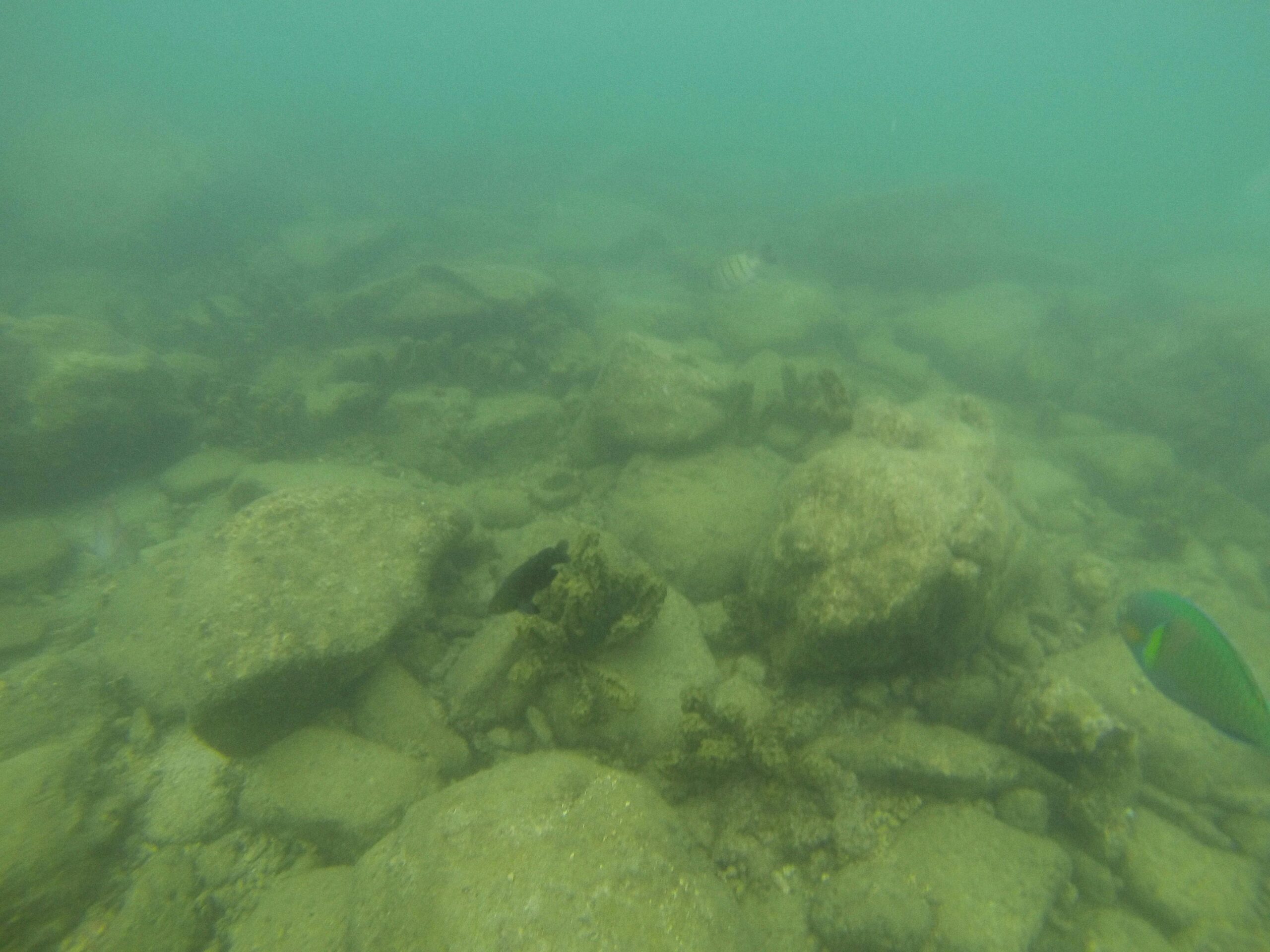
The Mediterranean seabed surrounding Pavlopetri created ideal preservation conditions. The relatively stable water temperature, combined with layers of protective sand, shielded the ancient stones from the erosive forces that typically weather surface archaeological sites. Pottery fragments, building foundations, and even the layout of streets remain discernible after five millennia underwater—a preservation feat rarely matched in terrestrial archaeology.
Architectural Marvels Hidden Beneath the Waves 🏛️
The urban planning of Pavlopetri reveals sophistication that challenges conventional assumptions about Bronze Age societies. The city covers approximately 30,000 square meters and features at least 15 separate buildings, courtyards, streets, chamber tombs, and a complex grave system.
What truly astonishes archaeologists is the evidence of deliberate urban design. The streets form a recognizable grid pattern—a planning concept often attributed to much later civilizations. This suggests that the inhabitants of Pavlopetri possessed advanced knowledge of civil engineering and community organization.
The Mysterious Megaron Structures
Among Pavlopetri’s most intriguing features are structures resembling megarons—rectangular halls with central hearths that would later become characteristic of Mycenaean palaces. These buildings indicate social stratification and possibly the presence of an administrative elite who coordinated trade, construction, and community affairs.
Archaeologists have identified at least two large building complexes that likely served public or ceremonial functions. The presence of such structures in a settlement of this age pushes back the timeline for complex social organization in the Aegean region by several centuries.
Daily Life in Bronze Age Pavlopetri: What the Artifacts Reveal
The artifacts recovered from Pavlopetri paint a vivid picture of daily existence in this ancient maritime community. Pottery shards ranging from simple domestic vessels to elaborately decorated ceremonial pieces demonstrate both utilitarian craftsmanship and artistic expression.
Stone tools, including obsidian blades likely imported from the island of Milos, reveal extensive trade networks that connected Pavlopetri to distant Aegean communities. The presence of such materials confirms that this wasn’t an isolated settlement but rather a vital node in Bronze Age Mediterranean commerce.
The Trading Hub Theory 🚢
Archaeological evidence strongly suggests that Pavlopetri functioned as a significant trading port. Its strategic location along maritime routes between the eastern Mediterranean and the Italian peninsula positioned it perfectly for commercial exchange. Amphora fragments bearing characteristics of various regional styles indicate that goods from across the ancient world passed through this bustling port.
The discovery of weights and measures suggests standardized commercial practices—another indicator of sophisticated economic organization. These finds imply that Pavlopetri’s merchants engaged in regulated trade, possibly operating within broader networks governed by agreed-upon standards.
The Digital Revolution in Underwater Archaeology
Modern technology has transformed our ability to study Pavlopetri without disturbing its delicate underwater environment. In 2009, a five-year research project led by the University of Nottingham and the Hellenic Centre for Marine Research employed cutting-edge techniques to create the most detailed archaeological map of any underwater site.
Using advanced sonar mapping, underwater photography, and digital modeling, researchers generated incredibly precise 3D reconstructions of the ancient city. These digital models allow archaeologists worldwide to study Pavlopetri’s layout, architecture, and spatial relationships with unprecedented detail—all without physical excavation that might damage the site.
Acoustic Imaging and Remote Sensing Breakthroughs
Multibeam sonar technology revealed features invisible to divers, including subtle foundation outlines and street patterns obscured by sediment. This non-invasive approach represents the future of underwater archaeology, permitting comprehensive study while minimizing environmental impact.
High-resolution photography stitched together through photogrammetry software created virtual dive experiences, enabling researchers to “walk” through ancient streets and examine architectural details from any angle. This digital preservation ensures that future generations can study Pavlopetri even as climate change and human activity threaten the physical site.
The Great Submersion: Natural Disaster or Gradual Decline? 🌊
Understanding why and how Pavlopetri ended up underwater remains one of archaeology’s most compelling mysteries. Current evidence suggests a complex story involving multiple factors rather than a single catastrophic event.
The Laconian coast sits atop seismically active geology, part of the broader Hellenic Arc where the African plate subducts beneath the Eurasian plate. Historical records document numerous powerful earthquakes in this region, and geological evidence confirms significant seismic activity during the Bronze Age.
The Earthquake Hypothesis
Many researchers believe a series of earthquakes caused land subsidence, gradually lowering the coastal plain where Pavlopetri stood. Unlike the sudden destruction of Pompeii, this process likely unfolded over decades or even centuries, forcing inhabitants to progressively abandon sections of the city as waters encroached.
Evidence supporting this theory includes the orderly nature of the abandonment—there’s no sign of panic, no skeletons trapped in buildings, no hastily abandoned valuables. Instead, the archaeological record suggests a measured retreat as the sea slowly reclaimed the land.
Sea Level Changes and Climate Factors
Post-glacial sea level rise, though largely complete by Pavlopetri’s time, may have contributed to the city’s submersion when combined with tectonic subsidence. Even modest sea level increases, when compounded by earthquake-induced land lowering, could have rendered the settlement uninhabitable.
Climate research indicates that the eastern Mediterranean experienced significant environmental changes during the Late Bronze Age, including periods of drought and altered precipitation patterns. These factors may have influenced both sea levels and the decisions of Pavlopetri’s inhabitants to eventually abandon their ancestral home.
Comparing Pavlopetri to Other Submerged Ancient Cities
While Pavlopetri holds the distinction of being the oldest known submerged city with a recognizable urban plan, it exists within a fascinating context of other underwater archaeological sites worldwide.
| Site | Location | Approximate Age | Key Features |
|---|---|---|---|
| Pavlopetri | Greece | 5,000 years | Complete urban layout with streets and buildings |
| Dwarka | India | 3,500-5,000 years (disputed) | Fortifications and artifacts linked to Hindu texts |
| Atlit Yam | Israel | 9,000 years | Neolithic village with stone circle and wells |
| Port Royal | Jamaica | 330 years | Preserved 17th-century pirate haven |
| Heracleion | Egypt | 2,300 years | Ancient Egyptian port with temples and statues |
While Atlit Yam off Israel’s coast is older, it represents a Neolithic village rather than a planned city with distinct urban infrastructure. Pavlopetri’s significance lies in its demonstration of advanced urban planning at such an early date, making it unique among submerged archaeological sites.
Conservation Challenges in the Modern Era 🛡️
Protecting Pavlopetri presents unique challenges that highlight broader issues in underwater cultural heritage conservation. Unlike terrestrial archaeological sites that can be fenced, monitored, and controlled, submerged ruins remain vulnerable to natural forces and human activities.
Boat anchors pose one of the most significant threats. Unaware sailors occasionally drop anchor directly onto ancient structures, causing irreparable damage to 5,000-year-old architecture. Although the Greek government has designated Pavlopetri a protected archaeological site, enforcement remains challenging in open waters.
Climate Change and Rising Threats
Paradoxically, the same seas that preserved Pavlopetri for millennia now threaten its integrity. Rising ocean temperatures affect the chemical balance of Mediterranean waters, potentially accelerating the deterioration of limestone structures and pottery. Increased storm intensity, another consequence of climate change, stirs up sediments that both expose and erode fragile remains.
Marine biologists have also noted changes in local ecosystems, with certain species of algae and marine organisms colonizing the ruins in ways that may either protect or damage the ancient stones—researchers continue to study these complex interactions.
What Pavlopetri Teaches Us About Ancient Civilization 📚
Beyond its archaeological significance, Pavlopetri fundamentally challenges our understanding of Bronze Age societies. The conventional narrative portrayed this era as one of simple agricultural communities with limited organizational capacity. Pavlopetri proves otherwise.
The city demonstrates that sophisticated urban planning, complex trade networks, and social stratification existed far earlier than previously believed. These weren’t innovations of classical Greek civilization but rather continuations of traditions established a thousand years before Homer composed his epics.
Rewriting Mediterranean History
Pavlopetri’s existence forces historians to reconsider the development trajectory of Mediterranean civilizations. The skills required to plan, build, and maintain such a settlement—surveying, architecture, administration, maritime navigation, and commerce—indicate a level of cultural sophistication that transforms our understanding of the Bronze Age.
This underwater city suggests that the roots of Western civilization extend deeper and branch wider than traditional scholarship acknowledged. The organizational principles visible in Pavlopetri’s streets likely influenced later Greek city-states, creating continuity between Bronze Age and Classical periods previously thought more distinct.
The Future of Pavlopetri Research and Exploration 🔬
Advanced technologies promise to reveal even more secrets hidden within Pavlopetri’s submerged streets. Researchers are developing autonomous underwater vehicles equipped with sophisticated sensors capable of detecting minute differences in sediment composition, potentially revealing buried structures not visible to current mapping techniques.
Artificial intelligence and machine learning algorithms are being trained to analyze thousands of underwater photographs, identifying patterns and features that human researchers might miss. These digital tools could locate specific artifacts, recognize architectural styles, and even predict where future excavations might prove most productive.
Virtual Reality and Public Engagement
Perhaps most exciting are initiatives to make Pavlopetri accessible to the global public through virtual reality experiences. Imagine donning a VR headset and swimming through accurate digital reconstructions of the ancient city, viewing it as it appeared 5,000 years ago with buildings intact and streets bustling with Bronze Age life.
Such projects serve dual purposes: they democratize access to this important heritage site while generating public interest that translates into support for conservation funding. When people can virtually explore Pavlopetri, they develop personal connections to its preservation.
Lessons from the Deep: Why Pavlopetri Matters Today 🌍
In an era of rising sea levels and coastal vulnerability, Pavlopetri delivers a sobering message from the past. This thriving Bronze Age city, despite its sophistication and strategic importance, could not withstand the combined forces of seismic activity and encroaching waters.
Modern coastal cities from Miami to Mumbai face similar threats. While contemporary engineering provides tools unavailable to Bronze Age builders, the fundamental challenge remains: human settlements concentrated along coastlines remain vulnerable to environmental changes beyond their control.
Pavlopetri reminds us that civilizations we consider permanent are, in geological terms, temporary. The same waves that now gently lap over ancient streets serve as both protectors of the past and harbingers of future challenges. Understanding what happened to this remarkable city might help contemporary societies prepare for similar threats.
The story of Pavlopetri is far from complete. Each diving expedition, every technological advancement, and all future research efforts will add new chapters to our understanding of this extraordinary place. As the world’s oldest known submerged city, it stands as both a window into our distant past and a mirror reflecting our uncertain coastal future—a Bronze Age marvel that continues teaching lessons five millennia after its streets fell silent beneath the Mediterranean waves.

Toni Santos is a maritime researcher and underwater archaeologist specializing in the study of submerged heritage, ancient port systems, and the cultural landscapes preserved beneath the sea. Through an interdisciplinary and immersive approach, Toni investigates how humanity has left traces of knowledge, commerce, and legend in the underwater world — across oceans, myths, and sunken cities.
His work is grounded in a fascination with wrecks not only as artifacts, but as carriers of hidden meaning. From historic shipwreck discoveries to mythical harbors and lost coastal settlements, Toni uncovers the physical and cultural evidence through which civilizations preserved their relationship with the maritime unknown.
With a background in marine archaeology and underwater survey methods, Toni blends technical analysis with archival research to reveal how oceans were used to shape identity, transmit memory, and encode sacred knowledge.
As the creative mind behind revaltro, Toni curates documented dive studies, speculative harbor maps, and archaeological interpretations that revive the deep cultural ties between water, folklore, and forgotten science.
His work is a tribute to:
The submerged heritage of Historic Shipwrecks and Their Cargoes
The legendary sites of Mythical Harbors and Lost Civilizations
The technical methods of Underwater Exploration Techniques
The natural archiving power of Preservation in Salt and Sediment
Whether you’re a maritime historian, nautical researcher, or curious explorer of forgotten submerged worlds, Toni invites you to explore the hidden depths of oceanic heritage — one wreck, one harbor, one legend at a time.