Deep beneath the waves off Japan’s coast lies one of archaeology’s most debated enigmas: the Yonaguni Monument, a massive underwater formation that challenges our understanding of ancient civilizations.
🌊 The Discovery That Shook the Archaeological World
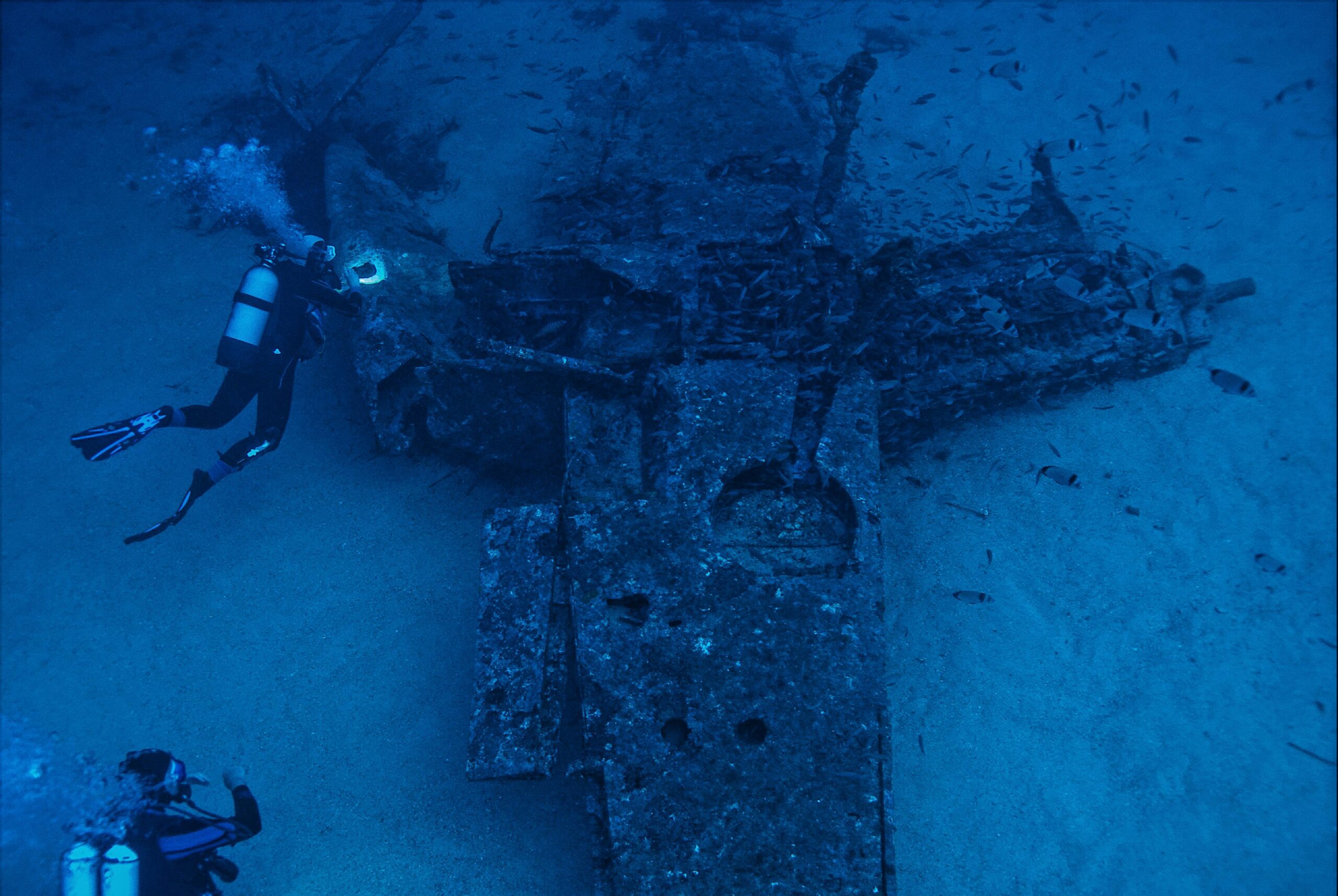
In 1986, local diver Kihachiro Aratake stumbled upon something extraordinary while exploring the waters near Yonaguni Island, the westernmost inhabited island of Japan. What he encountered approximately 25 meters below the surface would spark decades of fierce debate among scientists, archaeologists, and geologists worldwide.
The structure spans approximately 150 meters in length and rises about 27 meters from the seafloor. Its geometric features include what appear to be terraced platforms, right angles, carved steps, and pillar-like formations. The sheer scale and apparent precision of these features immediately raised questions about their origin.
Located in the East China Sea, the monument sits in an area known for strong currents and challenging diving conditions. Despite these obstacles, the site has attracted thousands of divers, researchers, and curious explorers seeking to unravel its mysteries.
Architectural Features That Defy Simple Explanation
The Yonaguni Monument displays several compelling characteristics that fuel ongoing debates about its origins. The structure exhibits remarkably straight edges, flat surfaces, and angular corners that seem too precise to be entirely natural.
The Terraced Platforms and Stairways
Perhaps the most striking features are the series of stepped terraces that resemble ancient pyramids or temple complexes. These platforms appear to ascend in regular intervals, creating what some interpret as deliberate architectural design. The “stairs” range from large, broad steps to smaller, more intricate formations.
Researchers have identified at least five distinct layers or levels within the main structure. Each level features relatively flat surfaces connected by vertical or near-vertical walls. The regularity of these formations challenges the notion of purely geological processes.
The Mysterious Stone Face and Symbols
Some investigators claim to have identified what appears to be a carved human face on one section of the monument. Additionally, there are reports of markings that could potentially be ancient writing or symbols, though these claims remain highly controversial and unverified by mainstream archaeology.
The so-called “turtle” formation and other animal-like shapes have been identified by enthusiasts, though skeptics argue these are examples of pareidolia—the human tendency to see patterns and familiar shapes in random formations.
🔬 The Great Debate: Natural Formation or Ancient Civilization?
The scientific community remains divided on the monument’s origins, with passionate advocates on both sides presenting compelling evidence for their positions.
The Artificial Structure Hypothesis
Professor Masaaki Kimura, a marine geologist from the University of the Ryukyus, has been the most prominent advocate for the monument’s artificial origin. After conducting extensive research and hundreds of dives, Kimura argues that the structure shows clear evidence of human modification.
Kimura points to several features supporting this theory:
- The presence of what appear to be tool marks on some surfaces
- Right angles and geometric patterns uncommon in natural geology
- Stone pathways and apparent road systems
- Symmetrical features that seem deliberately planned
- What he identifies as quarry marks and separated rock blocks
If the monument is indeed artificial, it would have been constructed during the last ice age when sea levels were significantly lower and the area was above water. This would date the structure to at least 10,000 years ago, making it older than the Egyptian pyramids and potentially rewriting our understanding of prehistoric civilization.
The Natural Formation Theory
Geologist Robert Schoch from Boston University, who has also investigated the site, maintains that the monument is primarily a natural formation. Schoch acknowledges the structure’s unusual appearance but attributes its features to well-understood geological processes.
The natural formation arguments include:
- The local sandstone’s tendency to fracture along parallel planes, creating geometric patterns
- Tectonic activity in the region that could produce stepped formations
- Erosion patterns consistent with natural weathering
- Absence of conclusive evidence of tool marks or quarrying
- No discovery of artifacts, pottery, or other human remains in the vicinity
Schoch suggests that while the monument is predominantly natural, ancient humans might have modified certain sections for ceremonial or practical purposes, representing a middle-ground explanation.
Historical Context and Timeline Considerations ⏳
Understanding when the Yonaguni Monument might have been above water is crucial to evaluating the artificial structure theory. Sea level data indicates that during the last glacial maximum, approximately 20,000 years ago, global sea levels were 120-140 meters lower than today.
The monument’s current depth of 25-30 meters means it would have been well above water during this period. The area would have remained dry land until roughly 10,000 years ago, when rising sea levels began to submerge coastal regions worldwide.
This timeline presents a fascinating puzzle: if humans did construct or modify the monument, they would have been doing so during a period when most historical accounts suggest humanity consisted primarily of hunter-gatherer societies. Such advanced architectural achievement would indicate a far more sophisticated prehistoric civilization than currently acknowledged by mainstream archaeology.
Comparing Yonaguni to Other Ancient Structures
Proponents of the artificial origin theory often compare the Yonaguni Monument to other ancient megalithic structures worldwide, drawing parallels that suggest advanced prehistoric building capabilities.
Similarities to Known Ancient Architecture
The terraced design resembles step pyramids found in various cultures, including the ziggurats of Mesopotamia, the pyramids of Mesoamerica, and temple complexes in Southeast Asia. These similarities might indicate either a universal architectural principle or evidence of shared ancient knowledge.
The stone working techniques apparently visible at Yonaguni share characteristics with other megalithic sites like Göbekli Tepe in Turkey, which dates to approximately 11,000 years ago and similarly challenges conventional timelines of human civilization development.
🗺️ Geological and Seismic Activity in the Region
The Yonaguni area sits in one of Earth’s most geologically active zones, part of the Pacific Ring of Fire. The region experiences frequent earthquakes and has a complex tectonic history that significantly influences the natural formation argument.
The local bedrock consists primarily of fine sandstone and mudstone from the Lower Miocene Yaeyama Group. These sedimentary rocks exhibit regular bedding planes and joints that fracture in predictable patterns, potentially explaining many of the monument’s geometric features.
Underwater currents in the area are particularly strong, capable of significant erosion and sediment transport. These forces could have shaped and refined the monument’s features over millennia, creating the sharp edges and flat surfaces that appear artificial.
Modern Research and Investigation Techniques
Contemporary researchers employ advanced technology to study the Yonaguni Monument, including sonar mapping, underwater photogrammetry, 3D modeling, and detailed geological sampling.
These technological approaches have revealed previously unknown features and provided more accurate measurements of the structure’s dimensions and characteristics. However, the challenging diving conditions and the monument’s remote location limit the extent and frequency of scientific investigation.
Marine archaeologists face significant obstacles when studying underwater sites, including limited bottom time, visibility issues, strong currents, and the expense of mounting comprehensive research expeditions. These practical challenges mean that despite decades of interest, the monument remains incompletely documented and analyzed.
🤔 Cultural Impact and Tourism
The Yonaguni Monument has become a significant cultural phenomenon and tourist attraction, drawing divers from around the world eager to witness the mysterious structure firsthand. Local tourism has benefited considerably from international interest in the site.
The monument has appeared in numerous documentaries, books, and television programs exploring ancient mysteries and alternative archaeology theories. This media attention has kept public interest high, even as academic debate continues.
For the local community of Yonaguni Island, the monument represents both economic opportunity and cultural pride. Whether natural or artificial, the structure has put their remote island on the global map, bringing attention to the region’s unique character and natural beauty.
Alternative Theories and Fringe Speculation
Beyond the main debate between natural and artificial origins, various alternative theories have emerged, ranging from the plausible to the highly speculative.
Some researchers have proposed connections to the legendary lost continent of Mu or Lemuria, mythical landmasses supposedly located in the Pacific Ocean. While these theories capture popular imagination, they lack scientific evidence and are dismissed by mainstream researchers.
Others suggest the monument might be connected to the Jōmon people, Japan’s prehistoric inhabitants known for creating sophisticated pottery and settlements. The Jōmon period extends back roughly 16,000 years, potentially aligning with the monument’s submersion timeline.
🔍 Evidence Evaluation: What Can We Confirm?
Setting aside speculation, certain facts about the Yonaguni Monument remain undisputed by all serious researchers:
- The structure exists and displays remarkable geometric features
- The local geology includes sedimentary rocks that fracture along regular planes
- The area was above water during the last ice age
- No definitive artifacts or human remains have been found at the site
- The monument exhibits both natural geological characteristics and unusual formations
- Tectonic and erosive forces have shaped the region for millions of years
The absence of clear archaeological evidence—tools, pottery, construction debris, or human remains—represents the most significant challenge for the artificial structure hypothesis. Ancient construction sites typically leave abundant material evidence, yet extensive searches around Yonaguni have yielded no such findings.
What Further Research Could Reveal
Resolving the Yonaguni debate definitively would require more comprehensive investigation than has been conducted to date. Ideal research would include systematic mapping of the entire structure using advanced sonar and photogrammetry, detailed geological sampling and analysis of rock surfaces for tool marks, archaeological excavation in surrounding areas searching for artifacts, and comparative studies with similar geological formations worldwide.
Additionally, more rigorous dating techniques applied to biological material found on the monument could help establish when various features were exposed or formed. Chemical analysis of rock surfaces might reveal whether certain areas show signs of intentional working or purely natural weathering.
🌏 Broader Implications for Understanding Human History
The Yonaguni Monument’s true origin matters beyond simple curiosity. If proven artificial, it would fundamentally challenge our understanding of prehistoric human capabilities and the timeline of civilization development.
Such a discovery would suggest that sophisticated architectural knowledge existed far earlier than currently accepted, possibly indicating lost chapters in human history. It might support theories of advanced prehistoric civilizations whose achievements were subsequently forgotten or destroyed by natural catastrophes.
Conversely, if definitively proven natural, the monument would serve as a valuable lesson in critical thinking and the importance of rigorous scientific methodology when evaluating unusual phenomena. It would demonstrate how natural processes can create remarkably convincing pseudo-artifacts that challenge our perceptions.
The Enduring Mystery Beneath the Waves
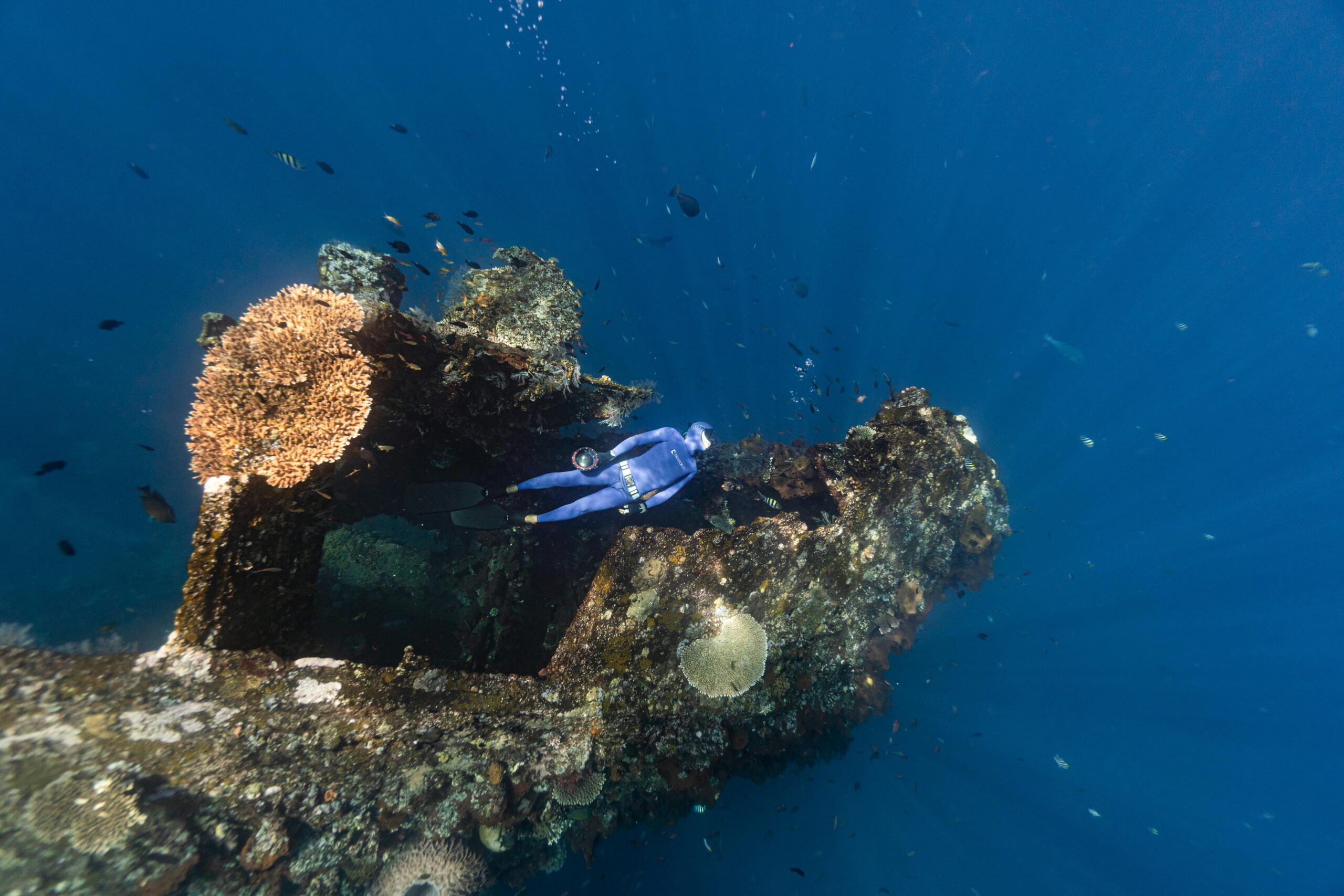
Decades after its discovery, the Yonaguni Monument continues to fascinate and perplex researchers and enthusiasts alike. The structure stands as a testament to Earth’s capacity to create extraordinary formations and humanity’s enduring desire to uncover hidden truths about our past.
Whether carved by ancient hands or sculpted by geological forces, the monument represents an intersection of natural wonder and archaeological intrigue. Its terraced platforms and geometric features challenge us to question assumptions and remain open to possibilities while maintaining scientific rigor.
The ongoing debate surrounding Yonaguni reflects broader tensions in archaeology between conventional interpretations and alternative theories. As technology advances and investigation techniques improve, we may eventually reach consensus about this enigmatic underwater structure.
Until that time, the Yonaguni Monument remains one of our planet’s most captivating mysteries—a submerged puzzle waiting beneath Pacific waves, challenging us to explore, question, and wonder about the ancient world and the forces that have shaped our planet throughout deep time. The truth, whatever it may be, lies somewhere in those dark waters, waiting for dedicated researchers to bring it into the light of understanding.

Toni Santos is a maritime researcher and underwater archaeologist specializing in the study of submerged heritage, ancient port systems, and the cultural landscapes preserved beneath the sea. Through an interdisciplinary and immersive approach, Toni investigates how humanity has left traces of knowledge, commerce, and legend in the underwater world — across oceans, myths, and sunken cities.
His work is grounded in a fascination with wrecks not only as artifacts, but as carriers of hidden meaning. From historic shipwreck discoveries to mythical harbors and lost coastal settlements, Toni uncovers the physical and cultural evidence through which civilizations preserved their relationship with the maritime unknown.
With a background in marine archaeology and underwater survey methods, Toni blends technical analysis with archival research to reveal how oceans were used to shape identity, transmit memory, and encode sacred knowledge.
As the creative mind behind revaltro, Toni curates documented dive studies, speculative harbor maps, and archaeological interpretations that revive the deep cultural ties between water, folklore, and forgotten science.
His work is a tribute to:
The submerged heritage of Historic Shipwrecks and Their Cargoes
The legendary sites of Mythical Harbors and Lost Civilizations
The technical methods of Underwater Exploration Techniques
The natural archiving power of Preservation in Salt and Sediment
Whether you’re a maritime historian, nautical researcher, or curious explorer of forgotten submerged worlds, Toni invites you to explore the hidden depths of oceanic heritage — one wreck, one harbor, one legend at a time.