Modern tourism stands at a crossroads where wanderlust meets responsibility, challenging travelers to explore the world while preserving its beauty and respecting local communities.
🌍 The Evolution of Conscious Travel
The tourism industry has undergone a remarkable transformation over the past decade. What once was simply about visiting exotic destinations and collecting passport stamps has evolved into a more nuanced conversation about impact, sustainability, and cultural exchange. Today’s travelers are increasingly aware that their choices carry weight—both environmental and social.
This shift didn’t happen overnight. High-profile environmental disasters, the rise of social media exposing overtourism’s effects, and growing climate awareness have collectively reshaped how we think about travel. Destinations like Venice, Barcelona, and Thailand’s Maya Bay have become cautionary tales of what happens when tourism grows unchecked.
The modern traveler faces a complex challenge: how to satisfy the innate human desire for exploration while minimizing negative impacts on destinations. This balance between adventure and ethics has become the defining question of contemporary tourism.
Understanding the True Cost of Travel 💭
Every journey leaves a footprint—some more visible than others. The environmental impact of tourism extends far beyond carbon emissions from flights, though those remain significant. Accommodations consume energy and water, tourist activities can disturb wildlife habitats, and the infrastructure needed to support visitors often strains local resources.
Research shows that tourism accounts for approximately 8% of global carbon emissions. A single long-haul flight can produce more CO2 than many people in developing countries generate in an entire year. These statistics aren’t meant to induce guilt but to inspire informed decision-making.
The social impact is equally important but often overlooked. Tourism can inflate housing prices, pushing locals out of city centers. It can commodify cultural practices, turning sacred traditions into entertainment. Yet it can also provide economic opportunities, fund conservation efforts, and foster cross-cultural understanding.
The Hidden Environmental Impacts
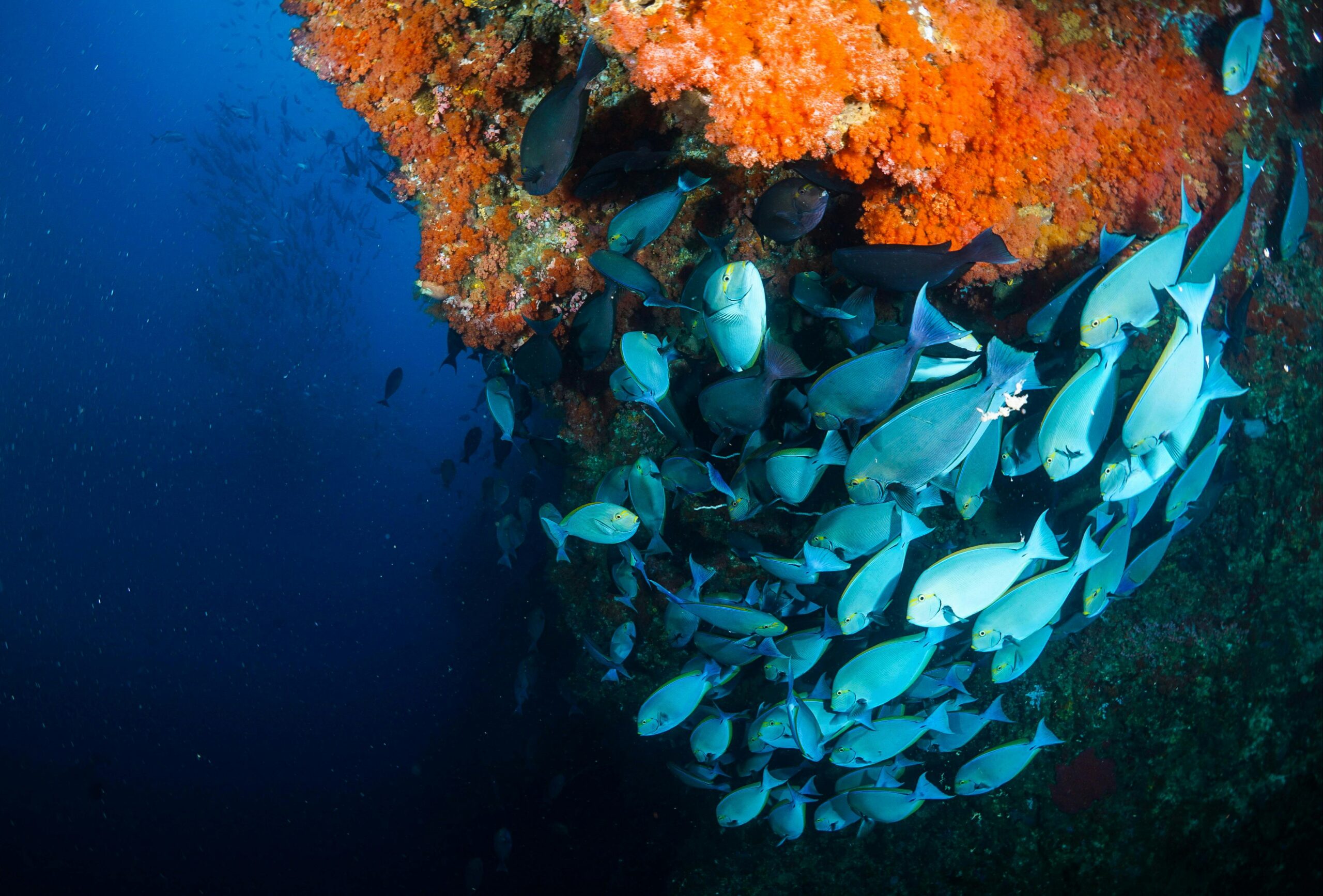
Beyond the obvious carbon footprint, tourism affects destinations in subtle ways. Water scarcity becomes acute in areas with high tourist concentrations—a single golf course in a drought-prone region can consume as much water as a small town. Coral reefs suffer from sunscreen chemicals and physical damage from snorkelers and divers. Wildlife patterns change when animals become habituated to human presence.
Plastic waste represents another critical concern. Many popular tourist destinations lack adequate waste management infrastructure, leading to pollution that damages ecosystems and enters the food chain. The images of pristine beaches littered with plastic bottles have become unfortunately common.
⚖️ Principles of Responsible Tourism
Responsible tourism isn’t about never traveling or limiting yourself to uncomfortable experiences. It’s about making conscious choices that align adventure with ethics. Several core principles guide this approach.
Respect for Local Communities
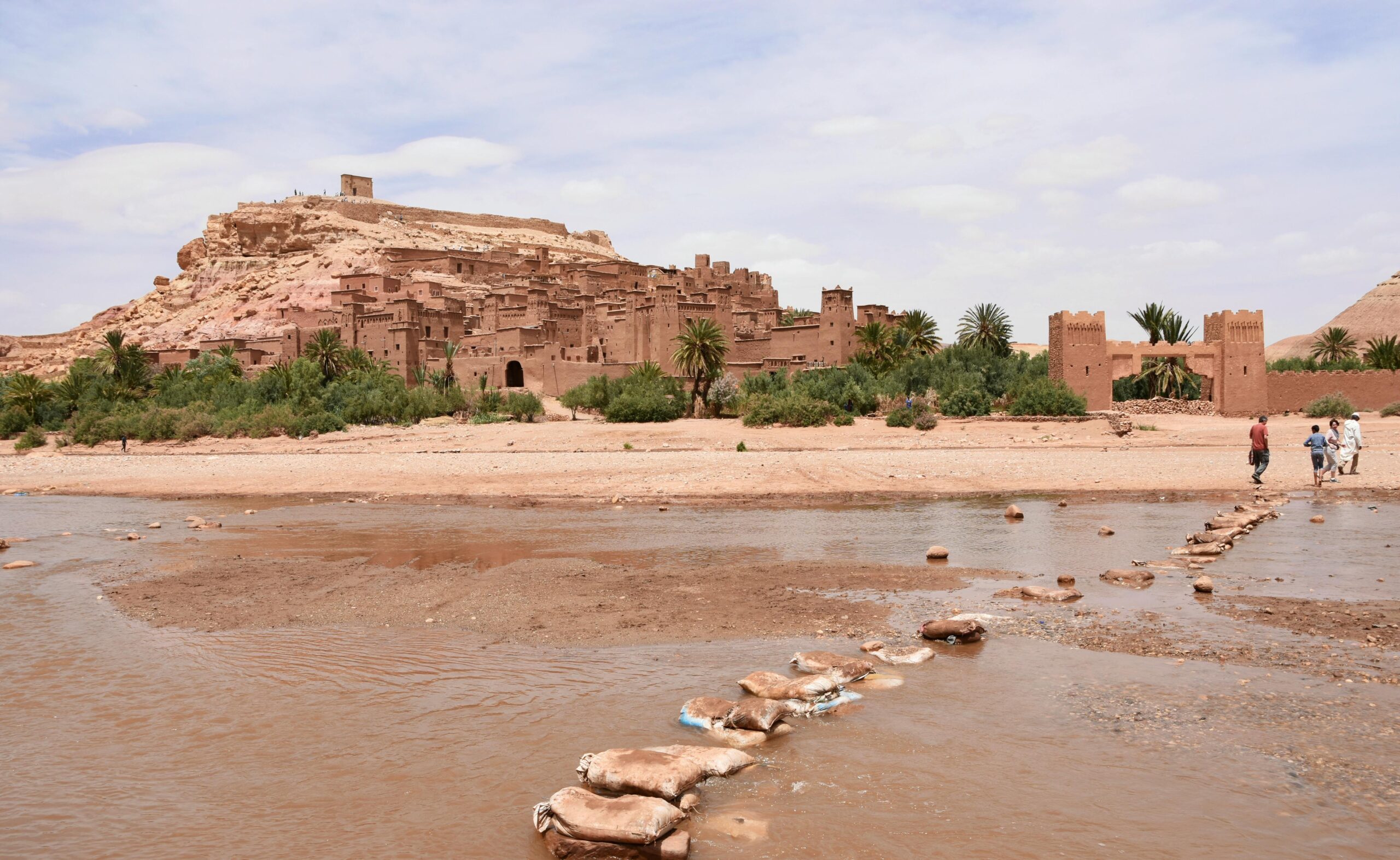
Authentic travel begins with recognizing that destinations are people’s homes, not theme parks. This means respecting local customs, dress codes, and social norms. Learning basic phrases in the local language demonstrates respect and often opens doors to more meaningful interactions.
Economic respect matters equally. Supporting locally-owned businesses ensures tourism revenue benefits the community directly rather than being siphoned off by international corporations. This might mean choosing a family-run guesthouse over a chain hotel or eating at neighborhood restaurants instead of tourist-oriented establishments.
Environmental Stewardship
Treading lightly on the planet requires deliberate effort. This includes obvious steps like refusing single-use plastics, staying on marked trails, and not disturbing wildlife. But it extends to less visible choices: selecting accommodations with strong environmental policies, choosing tour operators committed to sustainability, and offsetting carbon emissions when possible.
The “leave no trace” philosophy applies equally to urban and natural environments. Everything you bring in should come out with you, and whenever possible, you should leave places better than you found them.
Cultural Sensitivity and Preservation
Tourism’s relationship with culture is complex. While it can provide economic incentives for preserving traditions, it can also accelerate their commodification and loss. Responsible travelers educate themselves about local history and current social issues before arriving.
Photography deserves special mention. Not everything is meant to be photographed, and people aren’t props for your social media feed. Always ask permission before photographing individuals, religious ceremonies, or private spaces. Consider whether sharing certain images might harm vulnerable communities or sacred sites.
🎒 Practical Strategies for Ethical Adventure
Theory becomes meaningful only when translated into action. Here are concrete strategies for balancing adventure with ethics across different aspects of travel.
Transportation Choices That Matter
Transportation typically represents the largest portion of travel’s carbon footprint. While avoiding flights entirely isn’t realistic for most people, strategic choices can significantly reduce impact. Direct flights are more efficient than those with connections. Economy class has a lower per-passenger footprint than business or first class.
Once at your destination, prioritize walking, cycling, and public transportation. These choices reduce emissions while providing more intimate experiences of place. Many cities now offer bike-sharing programs and excellent public transit systems that make car rentals unnecessary.
For longer distances, trains often provide a more sustainable alternative to flights or driving, with the added benefit of scenic routes and the ability to work or relax during travel.
Accommodation With Integrity
Where you sleep matters. Look for accommodations with environmental certifications like Green Key, EarthCheck, or LEED. These certifications verify commitments to energy efficiency, water conservation, waste reduction, and community engagement.
Consider alternative accommodation types. Home exchanges eliminate the resource consumption of commercial lodging entirely. Eco-lodges and sustainable hotels often provide unique experiences while maintaining rigorous environmental standards. Even conventional hotels can be evaluated based on their sustainability initiatives.
Staying longer in fewer places reduces the environmental cost of frequent moves while allowing deeper engagement with destinations. The slow travel movement advocates for this approach, emphasizing quality over quantity.
Activities and Excursions
Not all tourist activities are created equal. Animal tourism particularly requires careful scrutiny. Avoid any activity involving captive wildlife, animal performances, or opportunities to touch wild animals. These almost always involve animal suffering, even when marketed as sanctuaries or conservation programs.
Genuine wildlife experiences happen on the animals’ terms, in their natural habitats, with responsible distance maintained. Ethical tour operators prioritize animal welfare over tourist entertainment and employ trained naturalists who understand wildlife behavior.
Adventure activities like hiking, diving, or climbing should be conducted with operators who follow environmental best practices. This includes limiting group sizes, requiring proper training, and maintaining equipment to prevent environmental damage.
🌟 The Power of Informed Choices
Information is the foundation of responsible tourism. But sorting credible information from greenwashing requires critical thinking. Many companies claim sustainability while engaging in minimal actual environmental or social responsibility.
Look beyond marketing language to concrete actions and verifiable certifications. Companies genuinely committed to sustainability provide transparent information about their practices, including challenges and areas for improvement. They engage with local communities and can demonstrate measurable positive impacts.
Online resources can help identify responsible tour operators and accommodations. Organizations like The International Ecotourism Society, Responsible Travel, and various certification bodies maintain directories of vetted businesses.
Technology as an Enabler
Digital tools increasingly support responsible travel. Apps help travelers find sustainable accommodations, calculate carbon footprints, locate plastic-free shops, and connect with local communities. Translation apps break down language barriers, reducing the need for resource-intensive tour guides for basic communication.
Mapping applications enable independent exploration using public transportation, while review platforms help identify businesses aligned with ethical values. However, technology should enhance rather than replace human connection and local knowledge.
💚 When Tourism Becomes a Force for Good
Despite legitimate concerns about tourism’s impacts, travel can be powerfully positive when done thoughtfully. Tourism provides economic alternatives to environmentally destructive industries like logging or mining. It funds conservation programs that might otherwise lack resources. It creates incentives for protecting cultural heritage and natural environments.
Community-based tourism initiatives demonstrate this potential. These programs involve local communities in tourism planning and operation, ensuring they benefit directly and maintain control over how their culture and environment are presented. Visitors gain authentic experiences while supporting sustainable development.
Volunteer tourism, when properly structured, can contribute meaningfully to communities. However, this requires careful vetting to ensure programs address genuine needs rather than creating dependency or displacing local workers. The most effective programs involve skills transfer and long-term community partnerships.
Conservation Through Tourism
Many protected areas and wildlife populations survive primarily because tourism makes them economically valuable. Park entrance fees fund ranger salaries, anti-poaching efforts, and habitat restoration. Communities that benefit from wildlife tourism become invested in conservation rather than viewing animals as threats or resources to exploit.
This creates a positive feedback loop: tourism provides funding for conservation, which maintains the natural attractions that draw tourists. Rwanda’s mountain gorilla tourism exemplifies this model, generating revenue that supports both conservation and community development while helping recover an endangered species.
🔄 The Ripple Effect of Responsible Choices
Individual choices might seem insignificant against the scale of global tourism, but collective action creates powerful change. When enough travelers demand sustainable options, the industry responds. We’ve seen this with the rapid growth of eco-certifications, the decline of certain harmful wildlife tourism activities, and increasing availability of sustainable travel options.
Your choices influence others. Friends and family notice when you choose responsible options and share positive experiences. Social media can amplify this effect, showcasing sustainable travel as aspirational rather than sacrificial.
The tourism industry watches consumer behavior closely. Companies invest in sustainability when they see market demand. Every booking at an eco-lodge, every review praising a company’s ethical practices, and every inquiry about environmental policies sends a signal that shapes industry direction.
🎯 Navigating Challenges and Trade-offs
Responsible tourism isn’t always straightforward. Trade-offs exist, and perfect choices are rare. A locally-owned guesthouse might lack the environmental systems of a certified eco-hotel. An eco-lodge might be accessible only by carbon-intensive flight. Cultural experiences might involve practices you find problematic.
The goal isn’t perfection but continuous improvement. Make the best choices available to you, recognize limitations, and remain open to learning. Engage with complexity rather than seeking simple answers to nuanced questions.
Budget constraints are real. Sustainable options sometimes cost more, though not always. Prioritizing what matters most helps—perhaps you spend more on sustainable accommodation but reduce overall trip length to offset costs. Cooking some meals, using public transit, and choosing free activities like hiking can free budget for ethical choices elsewhere.
🌏 Embracing a New Travel Paradigm
The future of tourism depends on embracing a paradigm where adventure and ethics aren’t opposing forces but complementary values. The most memorable travel experiences often arise from responsible choices: walking city streets and discovering hidden neighborhoods, spending time in community-based projects, or waiting patiently to observe wildlife in natural habitats.
This approach requires slowing down and being present rather than rushing to check off bucket list items. It means measuring trip success not by countries visited but by connections made and understanding gained. It recognizes that sometimes the most responsible choice is not to visit particularly vulnerable or overtouristed destinations.
Education continues throughout our travels. Each journey offers opportunities to learn about environmental challenges, cultural perspectives, and our own impacts. The responsible traveler remains humble and curious, acknowledging what they don’t know and seeking to understand rather than judge.

✨ Your Journey Toward Responsible Adventure
Balancing adventure and ethics in modern tourism is an ongoing journey, not a destination. Start where you are, make incremental improvements, and don’t let perfect be the enemy of good. Every small choice matters: refusing a plastic bag, choosing a local restaurant, respecting a photography restriction, or spending extra time to properly dispose of waste.
The world offers incredible beauty, diversity, and wonder worth exploring. Responsible tourism ensures these treasures remain accessible for future generations while benefiting the communities that steward them. Your adventures can contribute to positive change while enriching your own life with meaningful experiences and genuine connections.
The call to explore is fundamentally human, woven into our DNA through millennia of migration and discovery. Honoring that impulse while respecting the planet and its people isn’t a limitation on adventure—it’s the foundation for richer, more meaningful travel that nourishes both traveler and destination.

Toni Santos is a maritime researcher and underwater archaeologist specializing in the study of submerged heritage, ancient port systems, and the cultural landscapes preserved beneath the sea. Through an interdisciplinary and immersive approach, Toni investigates how humanity has left traces of knowledge, commerce, and legend in the underwater world — across oceans, myths, and sunken cities.
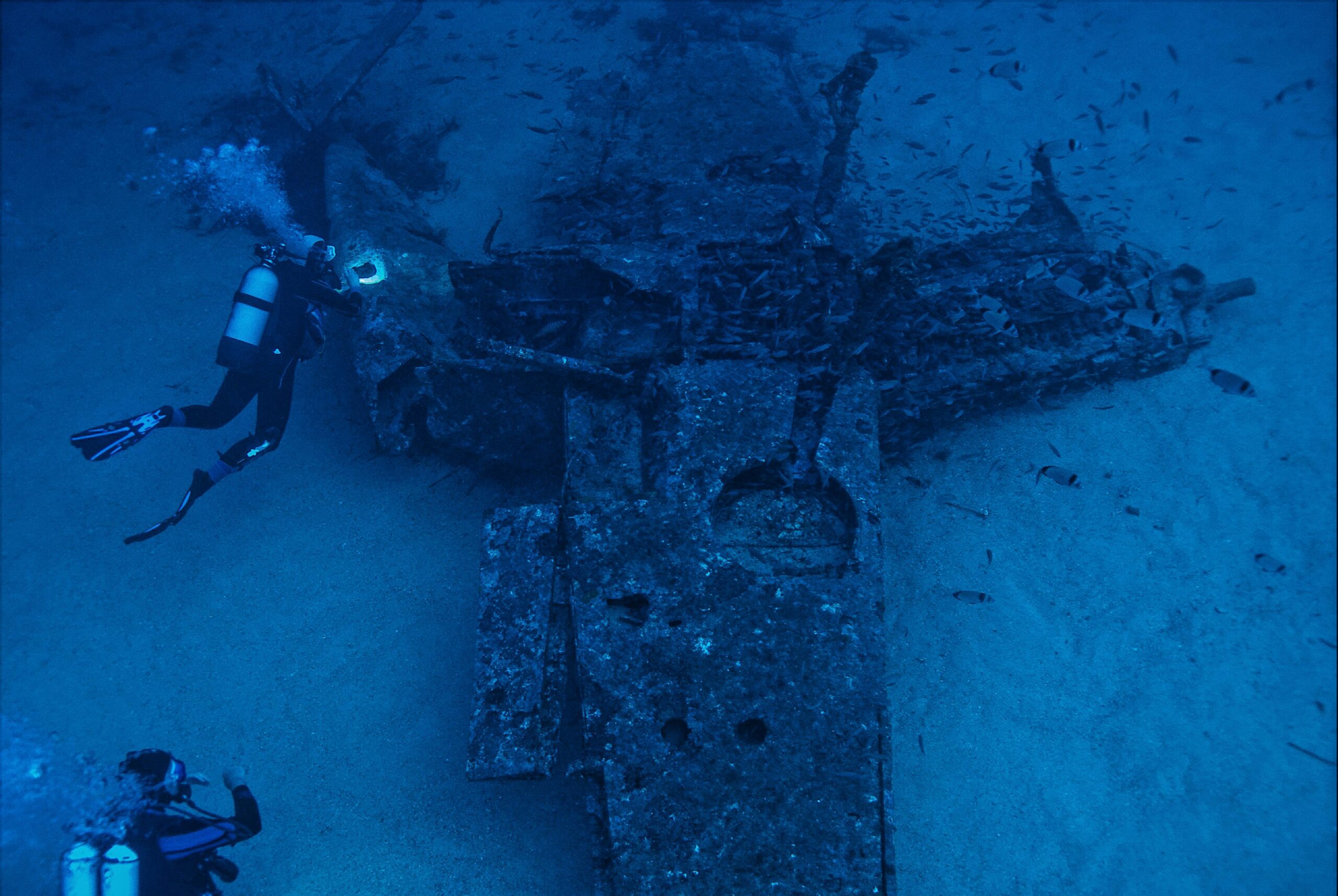
His work is grounded in a fascination with wrecks not only as artifacts, but as carriers of hidden meaning. From historic shipwreck discoveries to mythical harbors and lost coastal settlements, Toni uncovers the physical and cultural evidence through which civilizations preserved their relationship with the maritime unknown.
With a background in marine archaeology and underwater survey methods, Toni blends technical analysis with archival research to reveal how oceans were used to shape identity, transmit memory, and encode sacred knowledge.
As the creative mind behind revaltro, Toni curates documented dive studies, speculative harbor maps, and archaeological interpretations that revive the deep cultural ties between water, folklore, and forgotten science.
His work is a tribute to:
The submerged heritage of Historic Shipwrecks and Their Cargoes
The legendary sites of Mythical Harbors and Lost Civilizations
The technical methods of Underwater Exploration Techniques
The natural archiving power of Preservation in Salt and Sediment
Whether you’re a maritime historian, nautical researcher, or curious explorer of forgotten submerged worlds, Toni invites you to explore the hidden depths of oceanic heritage — one wreck, one harbor, one legend at a time.