The ocean floor holds mysteries that have captivated humanity for generations, from legendary shipwrecks to unexplored volcanic vents teeming with alien-like life forms.
🌊 The Titanic: Gateway to Deep-Sea Discovery
When the RMS Titanic sank on April 15, 1912, it didn’t just disappear beneath the waves—it became one of the most compelling reasons for advancing deep-sea exploration technology. Resting at approximately 12,500 feet below the surface of the North Atlantic, the wreck remained hidden for over seven decades, challenging engineers and explorers to develop capabilities that could reach such extreme depths.
The discovery of the Titanic in 1985 by Dr. Robert Ballard marked a watershed moment in oceanographic history. Using a combination of sonar technology and remotely operated vehicles, Ballard’s team demonstrated that the deepest parts of our ocean were no longer beyond human reach. This achievement opened floodgates for scientific inquiry, inspiring a new generation of marine researchers and deep-sea explorers.
The wreck site itself has become an underwater laboratory, teaching scientists about metal degradation, bacterial ecosystems, and preservation conditions in extreme environments. Rusticles—icicle-like formations created by iron-oxidizing bacteria—have become subjects of intense study, revealing how microbial life adapts to seemingly inhospitable conditions.
⚓ Technology That Changed Everything
Deep-sea exploration would be impossible without revolutionary technological advancements. The journey from early diving bells to modern autonomous underwater vehicles represents one of humanity’s most impressive engineering achievements.
Submersibles and ROVs: Eyes in the Abyss
Modern submersibles like DSV Limiting Factor have reached the deepest point on Earth—the Challenger Deep in the Mariana Trench, nearly 36,000 feet below the surface. These vessels must withstand pressures exceeding 16,000 pounds per square inch, equivalent to having fifty jumbo jets stacked on top of a person.
Remotely Operated Vehicles (ROVs) have democratized deep-sea access, allowing researchers to explore for extended periods without risking human lives. Equipped with high-definition cameras, mechanical arms, and sophisticated sensors, these robotic explorers collect samples, document marine life, and map the ocean floor with unprecedented precision.
Sonar Mapping: Revealing the Hidden Landscape
Multibeam sonar systems have transformed our understanding of seafloor topography. These technologies emit sound waves that bounce off the ocean floor, creating detailed three-dimensional maps. The Seabed 2030 project aims to map the entire ocean floor by the end of this decade—a goal that seemed impossible just twenty years ago.
Side-scan sonar has proven invaluable for locating shipwrecks and other objects of interest. This technology creates images resembling aerial photographs, helping researchers identify promising sites for detailed investigation before deploying expensive deep-diving equipment.
🔬 Scientific Treasures Beneath the Waves
The deep ocean represents Earth’s largest living space, yet remains less explored than the surface of Mars. Every expedition reveals surprises that challenge our understanding of biology, geology, and planetary science.
Hydrothermal Vents: Oases of Life
The discovery of hydrothermal vents in 1977 revolutionized biology. These underwater geysers, spewing superheated, mineral-rich water, support ecosystems completely independent of sunlight. Giant tube worms, eyeless shrimp, and unique bacterial communities thrive in conditions once thought incompatible with life.
These vent communities have profound implications for astrobiology. If life can flourish in Earth’s deep ocean without sunlight, similar ecosystems might exist in the subsurface oceans of Europa, Enceladus, or other icy moons in our solar system.
Bioluminescence: Nature’s Light Show
Approximately 90% of deep-sea creatures produce their own light through bioluminescence. This adaptation serves multiple purposes: attracting prey, communicating with potential mates, and confusing predators. The anglerfish’s iconic glowing lure has become synonymous with deep-sea life, but countless other species employ equally fascinating light-producing strategies.
Scientists are studying bioluminescent organisms to develop new technologies, including improved medical imaging techniques and sustainable lighting solutions. The luciferase enzymes responsible for this cold light have already found applications in cancer research and food safety testing.
🚢 Historic Shipwrecks: Time Capsules of Human History
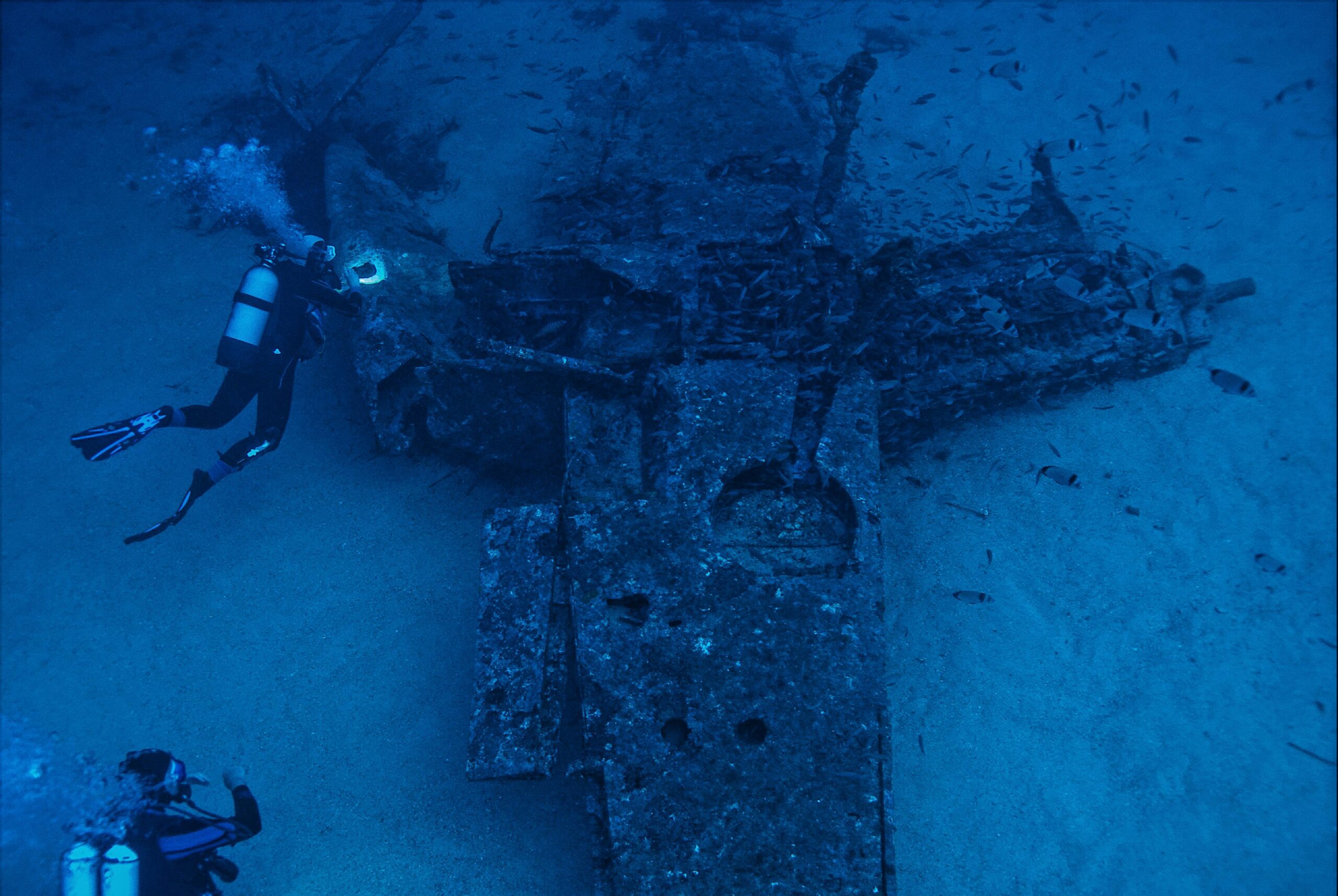
Beyond the Titanic, the ocean floor is littered with thousands of shipwrecks, each telling unique stories about maritime history, trade routes, and human ambition. These underwater archaeological sites provide invaluable insights into past civilizations.
Ancient Trade Routes Revealed
Roman amphorae discovered in the Mediterranean, Chinese porcelain found off the coast of Indonesia, and Spanish treasure galleons in the Caribbean all contribute to our understanding of historical commerce. These finds illuminate ancient trade networks, economic systems, and cultural exchanges that shaped human civilization.
The Antikythera mechanism, recovered from a Greek shipwreck, demonstrated that ancient civilizations possessed sophisticated astronomical calculation capabilities far beyond what historians previously believed. Such discoveries force us to reconsider assumptions about technological development in antiquity.
War Graves and Maritime Heritage
Many shipwrecks represent final resting places for sailors and passengers. Sites like the USS Arizona at Pearl Harbor and HMS Hood in the North Atlantic are designated war graves, protected by international agreements. Exploring these sites requires balancing scientific curiosity with respect for the deceased and their descendants.
Maritime archaeologists employ non-invasive techniques to study these sensitive locations, using photogrammetry and sonar imaging to create detailed reconstructions without disturbing artifacts or human remains.
🌍 Geological Wonders of the Deep
The ocean floor contains some of Earth’s most dramatic geological features, from towering underwater mountains to canyons that dwarf the Grand Canyon.
Mid-Ocean Ridges: Where New Earth is Born
The mid-ocean ridge system stretches over 40,000 miles, making it the longest mountain range on Earth. At these underwater boundaries, tectonic plates pull apart, allowing magma to rise and create new oceanic crust. This process, called seafloor spreading, drives plate tectonics and shapes our planet’s surface.
Studying these ridges helps scientists understand volcanic activity, earthquake generation, and mineral formation. The minerals deposited around hydrothermal vents contain valuable metals like copper, zinc, and gold, though mining these resources raises significant environmental concerns.
Submarine Canyons: Rivers Without Water
Submarine canyons carved by turbidity currents—underwater avalanches of sediment—create dramatic topography on continental slopes. The Monterey Canyon off California’s coast plunges deeper than the Grand Canyon, providing habitat for diverse marine species and channeling nutrients from shallow to deep waters.
These canyons act as conduits for organic matter, supporting rich ecosystems in the deep sea. Understanding their dynamics helps scientists predict sediment transport, assess underwater landslide risks, and manage marine resources effectively.
🐙 Mysterious Creatures of the Abyss
The deep ocean hosts creatures that seem designed by science fiction writers. Gigantism, bioluminescence, and extreme adaptations characterize life in this alien realm.
Giant Squid and Colossal Squid
For centuries, tales of kraken terrorizing sailors were dismissed as myths. Modern deep-sea exploration has confirmed that giant squid do exist, reaching lengths of over 40 feet. Even larger are colossal squid, with eyes the size of dinner plates—the largest in the animal kingdom—adapted to detect faint bioluminescent signals in near-total darkness.
Despite their massive size, these elusive creatures have rarely been observed alive in their natural habitat. Each encounter provides valuable data about their behavior, ecology, and role in deep-sea food webs.
Extremophiles: Life at the Limits
Organisms thriving at crushing pressures, near-freezing temperatures, and in complete darkness expand our definition of habitable environments. Barophilic bacteria actually require high pressure to survive, dying if brought to the surface. These extremophiles produce unique enzymes with potential applications in biotechnology, including industrial processes and pharmaceutical development.
The discovery of multicellular organisms in the deepest ocean trenches challenged assumptions about the limits of animal life. Amphipods, sea cucumbers, and snailfish have been found at depths exceeding 26,000 feet, demonstrating life’s remarkable adaptability.
📱 Modern Tools for Ocean Enthusiasts
Technology has made ocean exploration more accessible to the general public. Educational apps, virtual reality experiences, and citizen science platforms allow anyone to participate in marine discovery from their smartphones.
Interactive ocean mapping applications provide real-time data about ocean conditions, marine life tracking, and underwater topography. These tools help students, educators, and ocean enthusiasts engage with marine science in meaningful ways.
🌊 Environmental Challenges and Conservation
Deep-sea exploration has revealed not only wonders but also the extent of human impact on even the most remote ocean environments.
Pollution in the Deepest Places
Plastic debris and microplastics have been found in the Mariana Trench, demonstrating that no part of the ocean remains untouched by human activity. Persistent organic pollutants concentrate in deep-sea organisms, biomagnifying through food webs and potentially affecting ecosystem health.
Understanding the distribution and impact of deep-sea pollution requires continued exploration and monitoring. This knowledge informs policy decisions about waste management, plastic production, and marine protected areas.
Deep-Sea Mining: Promise and Peril
The ocean floor contains vast mineral resources, including rare earth elements crucial for modern technology. However, extracting these resources could devastate fragile deep-sea ecosystems that take centuries to recover from disturbance.
International regulations are being developed to govern deep-sea mining, balancing economic interests with environmental protection. Scientists emphasize the need for comprehensive baseline studies before any commercial extraction begins.
🔭 The Future of Deep-Sea Exploration
Advances in artificial intelligence, robotics, and materials science promise to unlock even more ocean secrets in coming decades.
Autonomous Systems and Swarm Technology
Future ocean exploration will increasingly rely on autonomous underwater vehicles working in coordinated swarms. These robots will communicate with each other, dividing tasks and covering larger areas more efficiently than current single-vehicle approaches.
Machine learning algorithms will enable these systems to identify interesting features, adapt to unexpected conditions, and make real-time decisions about where to focus investigation efforts.
Permanent Underwater Habitats
Projects like NEEMO (NASA Extreme Environment Mission Operations) have demonstrated the feasibility of extended underwater habitation. Future permanent research stations on the seafloor could revolutionize marine science, allowing researchers to conduct long-term studies without the constraints of surface-based operations.
These habitats could also serve as training facilities for space exploration, as the deep ocean provides conditions analogous to those astronauts might encounter on other worlds.
💡 What the Ocean Teaches Us About Our Planet
Deep-sea exploration contributes to understanding climate change, carbon cycling, and Earth system processes. The ocean absorbs approximately 30% of human-produced carbon dioxide, with deep-sea processes playing crucial roles in long-term carbon storage.
Cold-water corals and deep-sea sediments archive climate history spanning millions of years. By analyzing these natural records, scientists reconstruct past climate conditions, improving models that predict future changes.
Ocean circulation patterns, driven partly by deep-water formation, regulate global temperatures and weather patterns. Understanding these processes requires exploring the deepest parts of the ocean where critical water masses form and flow.
🎯 Inspiring the Next Generation of Explorers
The romance of shipwreck discovery and the mystery of unexplored depths continue to inspire young scientists, engineers, and adventurers. Ocean exploration offers opportunities to make genuine discoveries, contribute to human knowledge, and address pressing environmental challenges.
Educational programs combining virtual exploration with hands-on marine science engage students in meaningful learning experiences. Live-streamed ROV dives allow classrooms worldwide to participate in real research expeditions, democratizing access to ocean discovery.
The ocean remains Earth’s final frontier—a vast realm where every expedition reveals surprises and every discovery raises new questions. From the Titanic’s rusting hulk to bioluminescent creatures never before seen, the deep sea continues to challenge our assumptions and expand our understanding of life’s possibilities.
As technology advances and exploration efforts intensify, we stand at the threshold of unprecedented ocean discovery. The secrets revealed in coming decades will reshape our relationship with the ocean, inform conservation strategies, and perhaps reveal life forms that redefine biology itself. The journey to unlock the ocean’s secrets has only just begun, and the depths still hold mysteries waiting for those brave enough to seek them.

Toni Santos is a maritime researcher and underwater archaeologist specializing in the study of submerged heritage, ancient port systems, and the cultural landscapes preserved beneath the sea. Through an interdisciplinary and immersive approach, Toni investigates how humanity has left traces of knowledge, commerce, and legend in the underwater world — across oceans, myths, and sunken cities.
His work is grounded in a fascination with wrecks not only as artifacts, but as carriers of hidden meaning. From historic shipwreck discoveries to mythical harbors and lost coastal settlements, Toni uncovers the physical and cultural evidence through which civilizations preserved their relationship with the maritime unknown.
With a background in marine archaeology and underwater survey methods, Toni blends technical analysis with archival research to reveal how oceans were used to shape identity, transmit memory, and encode sacred knowledge.
As the creative mind behind revaltro, Toni curates documented dive studies, speculative harbor maps, and archaeological interpretations that revive the deep cultural ties between water, folklore, and forgotten science.
His work is a tribute to:
The submerged heritage of Historic Shipwrecks and Their Cargoes
The legendary sites of Mythical Harbors and Lost Civilizations
The technical methods of Underwater Exploration Techniques
The natural archiving power of Preservation in Salt and Sediment
Whether you’re a maritime historian, nautical researcher, or curious explorer of forgotten submerged worlds, Toni invites you to explore the hidden depths of oceanic heritage — one wreck, one harbor, one legend at a time.