The Spanish treasure fleets sailed across treacherous oceans carrying unimaginable wealth, leaving behind stories that continue to captivate treasure hunters and historians centuries later.
⚓ The Birth of the Spanish Treasure Fleet System
During the 16th and 17th centuries, Spain established one of history’s most ambitious maritime operations. The treasure fleet system, known as the Flota de Indias, represented the lifeline of the Spanish Empire, transporting precious metals, gemstones, and exotic goods from the New World back to European ports. These convoys weren’t merely commercial ventures; they were floating fortresses designed to protect Spain’s colonial wealth from pirates, privateers, and rival nations.
The system emerged from necessity after Spanish conquistadors discovered vast silver deposits in Mexico and Peru. The mines of Potosí in Bolivia alone produced enough silver to fundamentally alter the global economy. King Philip II recognized that such tremendous wealth required extraordinary protection, leading to the formalization of the treasure fleet convoys in 1566.
Each fleet consisted of multiple galleons escorted by heavily armed warships called galeones. These vessels followed predetermined routes and schedules, departing from Spanish ports like Seville and Cádiz, sailing to designated collection points in the Caribbean, and returning laden with treasures that would fund Spain’s European ambitions and military campaigns.
💰 The Unimaginable Wealth Aboard the Galleons
The cargo manifests of Spanish galleons read like fantasy inventories. Silver bars, gold doubloons, emeralds from Colombian mines, pearls from Venezuelan waters, and exotic spices filled the holds of these magnificent ships. Conservative estimates suggest that during the fleet system’s peak operational years, approximately 16,000 tons of silver and 180 tons of gold crossed the Atlantic.
However, official records only tell part of the story. Contraband smuggling was rampant, with ship captains, merchants, and even colonial officials hiding additional treasures to avoid the Crown’s hefty taxation. Historians estimate that unregistered cargo could have exceeded official shipments by 20-30 percent, meaning vast quantities of treasure remained undocumented.
The Most Valuable Cargoes
Beyond precious metals, the galleons transported items of immense cultural and monetary value. Religious artifacts crafted from gold and adorned with gemstones, intricate jewelry pieces created by indigenous master craftsmen, rare botanical specimens, and even live exotic animals destined for European royal courts filled the ships’ holds.
One particularly famous cargo belonged to the Nuestra Señora de Atocha, which sank in 1622 carrying 40 tons of silver and gold, 32 kilograms of emeralds, and countless artifacts. When treasure hunter Mel Fisher finally located the wreck in 1985, the recovered treasures were valued at over $450 million, though their historical significance proves priceless.
🌊 Navigating the Treacherous Atlantic Crossing
The journey across the Atlantic presented formidable challenges that tested even the most experienced mariners. Spanish galleons faced unpredictable weather patterns, navigational uncertainties, and the constant threat of shipwreck on hidden reefs and sandbars. The Caribbean hurricane season proved particularly deadly, with powerful storms capable of scattering entire fleets and sending treasure-laden vessels to the ocean floor.
Captains relied on primitive navigation instruments including astrolabes, cross-staffs, and compass readings. Without accurate chronometers to determine longitude, navigators depended heavily on dead reckoning, coastal landmarks, and accumulated knowledge passed down through generations of sailors. This imprecision contributed to numerous disasters when ships miscalculated their positions.
The typical journey from the Caribbean to Spain took approximately eight to twelve weeks under favorable conditions. Ships departed Havana in convoy formation, catching the Gulf Stream northward before turning east toward the Azores, then proceeding to Spanish ports. This route maximized favorable winds and currents while attempting to minimize exposure to known pirate hunting grounds.
🏴☂️ Pirates, Privateers, and Naval Warfare
The treasure fleets attracted predators like blood in the water. English, French, and Dutch pirates prowled Caribbean waters, seeking opportunities to capture isolated stragglers or attack weakly defended ports. Legendary figures like Sir Francis Drake, Henry Morgan, and Piet Heyn became wealthy beyond measure by targeting Spanish shipping.
Drake’s 1572 raid on the Spanish treasure train at Nombre de Dios netted him approximately £40,000 in silver, an astronomical sum that financed further expeditions and earned him a knighthood from Queen Elizabeth I. His circumnavigation voyage yielded even greater plunder, with returns estimated at 4,700 percent on investors’ capital.
The Capture of the Entire 1628 Treasure Fleet
Perhaps the most catastrophic loss occurred when Dutch admiral Piet Heyn intercepted the entire New Spain treasure fleet off the Cuban coast in 1628. This unprecedented victory netted 177,000 pounds of silver, substantial quantities of gold, pearls, and other valuable cargo worth approximately 11.5 million guilders. The treasure financed Dutch military operations for eight months and dealt Spain a devastating economic blow from which it never fully recovered.
The Spanish response involved increasing military escorts and implementing more sophisticated convoy tactics. Armed galeones accompanied the treasure ships, carrying up to 60 cannons and crews trained for naval combat. Despite these precautions, determined attackers continued finding vulnerabilities in the system.
⛈️ Legendary Shipwrecks and Lost Treasures
Hurricanes and storms claimed more treasure than pirates ever could. The 1715 Treasure Fleet disaster stands as one of history’s most devastating maritime catastrophes. A massive hurricane struck eleven Spanish ships sailing along Florida’s coast, sending them all to the bottom with their complete cargoes. Approximately 1,000 sailors perished, and treasures worth millions in today’s currency scattered across the ocean floor.
Spanish salvage efforts recovered perhaps half of the lost treasure, but storms and shifting sands buried the remainder. Modern treasure hunters continue discovering coins, gold chains, jewelry, and artifacts from this fleet, with significant finds occurring as recently as the 2010s.
The Mystery of the San José
The San José galleon, sunk by British warships in 1708 near Cartagena, Colombia, carried what might be history’s most valuable shipwreck cargo. Estimates place its treasure’s worth between $4 billion and $17 billion, including gold, silver, and emeralds. Colombian authorities located the wreck in 2015, but legal disputes regarding ownership between Colombia, Spain, and salvage companies continue preventing recovery operations.
| Shipwreck | Year Lost | Estimated Treasure Value | Discovery Status |
|---|---|---|---|
| San José | 1708 | $4-17 billion | Located, unrecovered |
| Nuestra Señora de Atocha | 1622 | $450 million | Recovered (1985) |
| 1715 Fleet | 1715 | $400+ million | Partially recovered |
| Nuestra Señora de las Mercedes | 1804 | $500 million | Recovered (2007) |
🔍 Modern Treasure Hunting and Archaeological Discoveries
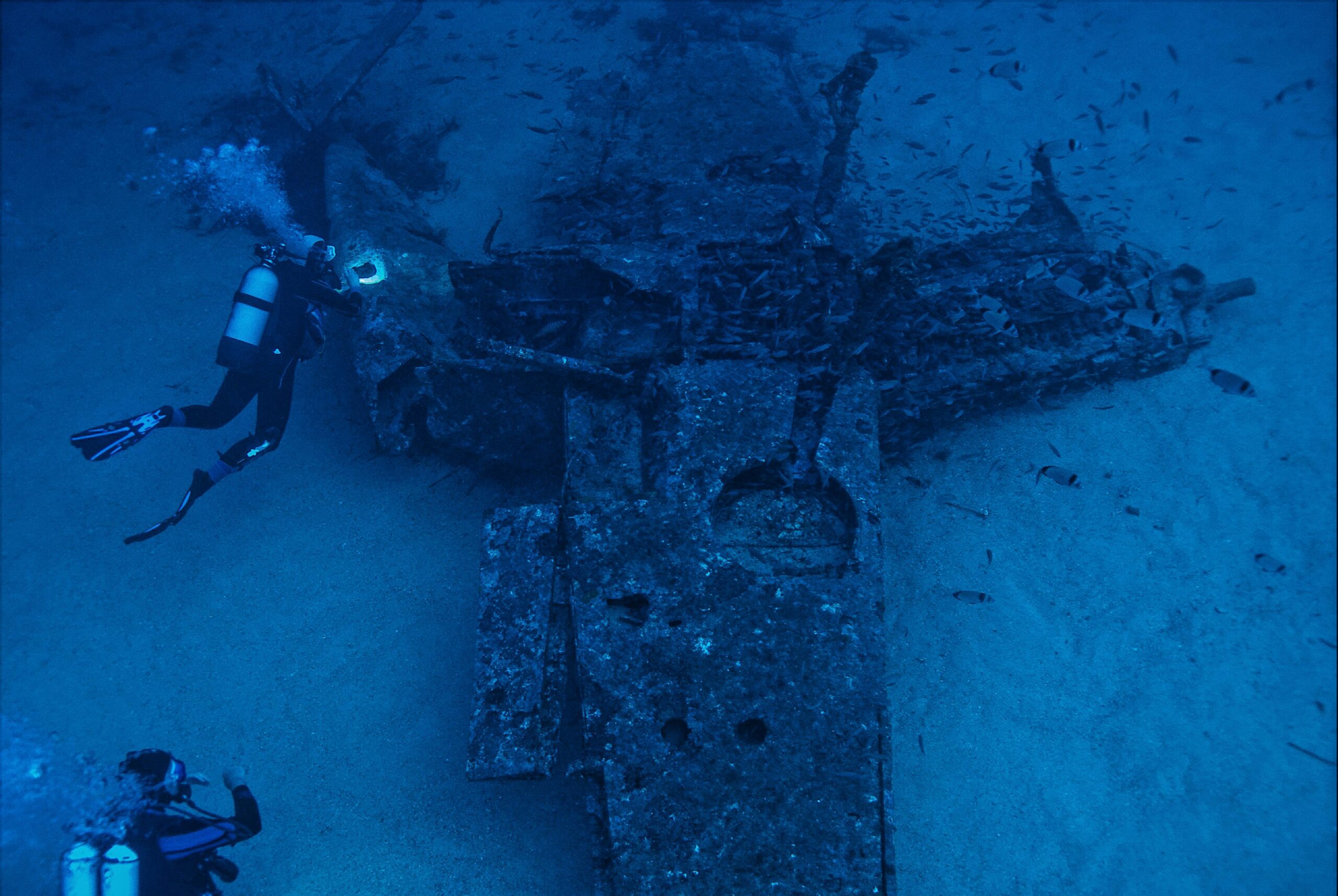
Contemporary treasure hunting combines historical research, advanced technology, and substantial financial investment. Magnetometers detect iron artifacts beneath sand and coral, side-scan sonar creates detailed seafloor images, and remotely operated vehicles explore depths impossible for human divers. These technologies have revolutionized the search for lost Spanish treasures.
Mel Fisher’s decades-long quest for the Atocha exemplifies the persistence required for successful treasure hunting. After sixteen years of searching, losing his son and daughter-in-law in diving accidents, and facing near-bankruptcy, Fisher’s team finally located the main treasure deposit in 1985. His famous motto, “Today’s the day,” became legendary among treasure hunters worldwide.
However, modern discoveries increasingly face complex legal and ethical questions. Who owns centuries-old treasures—the descendants of those who lost them, the nations in whose waters they rest, or the companies that invest millions in recovery operations? Spain has aggressively pursued legal claims to its sunken galleons, arguing they constitute sovereign vessels and underwater cultural heritage.
⚖️ The Legal Battles Over Sunken Spanish Gold
The Nuestra Señora de las Mercedes case established important legal precedents. When Odyssey Marine Exploration recovered approximately $500 million in coins from this frigate in 2007, Spain filed suit claiming ownership. After five years of litigation, U.S. courts ordered the entire treasure returned to Spain, recognizing the wreck as a sovereign naval vessel.
This ruling sent shockwaves through the treasure hunting community, establishing that commercial salvage companies cannot simply claim discoveries as their property. UNESCO’s 2001 Convention on the Protection of Underwater Cultural Heritage further emphasized preservation over commercial exploitation, though major maritime nations including the United States have not ratified it.
Balancing Profit and Preservation
Archaeologists argue that treasure hunters destroy invaluable historical context in their rush to recover valuable items. The spatial relationship between artifacts, the ship’s construction details, and even preserved organic materials provide insights into colonial life, maritime technology, and trade networks. Once disturbed by salvage operations, this information disappears forever.
Conversely, treasure hunters contend that most shipwrecks would never be located without their investment and expertise. They argue that recovered artifacts, when properly documented and conserved, contribute more to public knowledge than items buried beneath ocean sediments where no one can study them.
🗺️ Famous Treasure Routes and Strategic Ports
The treasure fleet system centered on several key locations that became lynchpins of Spanish colonial commerce. Veracruz in Mexico and Portobelo in Panama served as primary collection points where silver from inland mines was loaded aboard waiting galleons. Cartagena in Colombia handled emeralds and gold from South American mines, while Havana emerged as the crucial assembly point where individual ships gathered into protective convoys.
These cities developed elaborate fortifications to protect accumulated treasures awaiting shipment. The massive stone fortresses that still stand in Cartagena, San Juan, and Havana testify to the strategic importance Spain placed on protecting its wealth. Despite these defenses, attacks occurred regularly, with pirates like Henry Morgan famously sacking Portobelo and Panama City.
💎 The Human Stories Behind the Treasures
Beyond the gold and silver lies a rich tapestry of human experience. Thousands of sailors, soldiers, merchants, clergy, and colonial officials spent months aboard cramped, disease-ridden ships. The crew hierarchy ranged from highly paid pilots and master gunners to pressed indigenous laborers and African slaves working in abysmal conditions below deck.
Passenger lists reveal the diverse humanity aboard treasure galleons. Wealthy merchants returning to Spain with their fortunes, missionaries carrying religious artifacts to European churches, colonial bureaucrats relocating with their families, and adventurers seeking opportunities in the New World all shared the same perilous journey.
When ships sank, they carried entire communities to the ocean floor. The personal artifacts recovered from wrecks—rosaries, tobacco pipes, gaming pieces, writing implements, and cooking utensils—provide intimate glimpses into lives abruptly ended by storms or battles centuries ago.
🌟 The Enduring Legacy of the Spanish Treasure Fleets
The treasure fleet system profoundly influenced global economics, politics, and culture for centuries. The massive influx of American silver fueled European commerce, funded wars, financed the Renaissance, and integrated global trade networks. However, this wealth paradoxically contributed to Spain’s eventual decline, as the Crown became dependent on American treasure rather than developing domestic industries.
The phrase “worth a king’s ransom” literally derives from this era, when individual galleons carried enough wealth to ransom captured royalty. Spanish pieces of eight became the world’s first global currency, accepted from Manila to Amsterdam, while legends of El Dorado and lost treasure cities continue inspiring adventurers.
Today’s fascination with Spanish treasure reflects deeper human desires for adventure, discovery, and connection to dramatic historical narratives. Museums displaying recovered artifacts allow modern audiences to tangibly connect with the Age of Exploration, while ongoing discoveries remind us that significant treasures remain hidden beneath ocean waves, waiting for future generations to unveil their secrets.
🧭 What Still Awaits Discovery
Maritime historians estimate that hundreds of treasure-laden Spanish ships remain undiscovered. Archives in Seville contain detailed records of lost vessels, their cargoes, and last known positions, providing roadmaps for modern searchers. However, centuries of ocean currents, shifting sediments, and coral growth have concealed these wrecks remarkably well.
Technological advances continue improving discovery prospects. Autonomous underwater vehicles can survey vast areas, artificial intelligence helps analyze sonar data, and improved understanding of historical navigation errors helps predict wreck locations more accurately. Each decade brings new discoveries that rewrite understanding of colonial trade, maritime technology, and treasure fleet operations.
The romance of Spanish galleons and their legendary treasures endures because these stories encompass universal themes—ambition and greed, courage and disaster, loss and recovery. Whether preserved in museums, studied by archaeologists, or still resting on distant seabeds, the treasures of the Spanish fleets continue unveiling new chapters in humanity’s endless fascination with the sea’s mysteries and the wealth it conceals.

Toni Santos is a maritime researcher and underwater archaeologist specializing in the study of submerged heritage, ancient port systems, and the cultural landscapes preserved beneath the sea. Through an interdisciplinary and immersive approach, Toni investigates how humanity has left traces of knowledge, commerce, and legend in the underwater world — across oceans, myths, and sunken cities.
His work is grounded in a fascination with wrecks not only as artifacts, but as carriers of hidden meaning. From historic shipwreck discoveries to mythical harbors and lost coastal settlements, Toni uncovers the physical and cultural evidence through which civilizations preserved their relationship with the maritime unknown.
With a background in marine archaeology and underwater survey methods, Toni blends technical analysis with archival research to reveal how oceans were used to shape identity, transmit memory, and encode sacred knowledge.
As the creative mind behind revaltro, Toni curates documented dive studies, speculative harbor maps, and archaeological interpretations that revive the deep cultural ties between water, folklore, and forgotten science.
His work is a tribute to:
The submerged heritage of Historic Shipwrecks and Their Cargoes
The legendary sites of Mythical Harbors and Lost Civilizations
The technical methods of Underwater Exploration Techniques
The natural archiving power of Preservation in Salt and Sediment
Whether you’re a maritime historian, nautical researcher, or curious explorer of forgotten submerged worlds, Toni invites you to explore the hidden depths of oceanic heritage — one wreck, one harbor, one legend at a time.