Beneath the waves lies a haunting gallery of maritime history, where shipwrecks tell stories of triumph, tragedy, and the relentless power of the ocean.
The ocean floor is a vast museum, preserving centuries of human endeavor in its dark embrace. From wooden galleons to modern steel vessels, shipwrecks offer extraordinary windows into the past. Yet not all wrecks are created equal—the depth at which they rest fundamentally transforms their preservation, accessibility, and the mysteries they hold. The battle between deep-sea and shallow-water shipwrecks presents fascinating contrasts that captivate archaeologists, divers, and ocean enthusiasts worldwide.
Understanding these underwater time capsules requires exploring the dramatic differences between wrecks resting in sunlit shallows versus those entombed in crushing darkness thousands of feet below. Each environment creates unique preservation conditions, presents distinct exploration challenges, and reveals different chapters of maritime history. This journey into the depths will uncover what makes each type of wreck remarkable and why their differences matter to science, history, and human curiosity.
🌊 The Shallow Guardians: Wrecks Within Reach
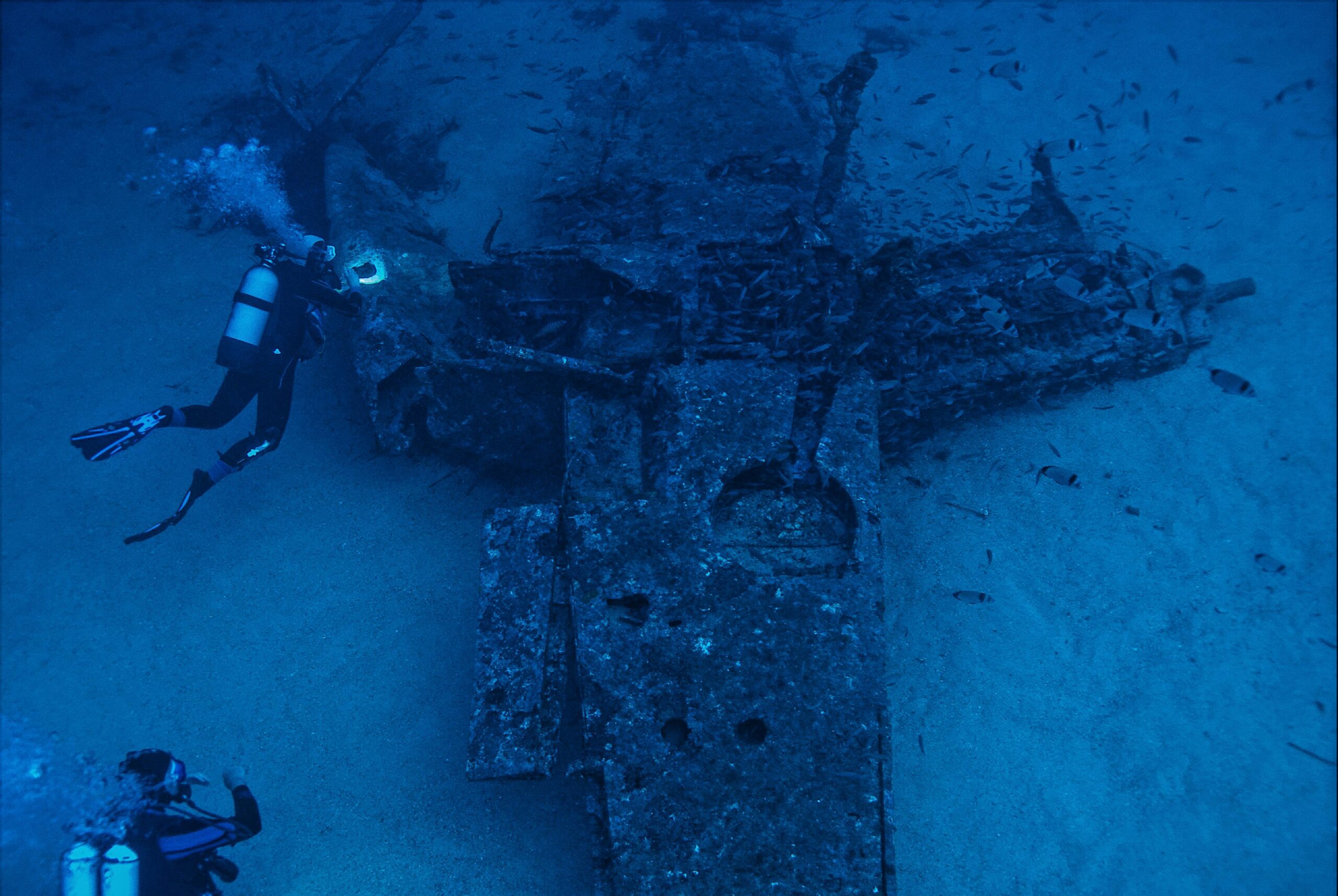
Shallow-water shipwrecks, typically found at depths less than 130 feet, represent the most accessible maritime archaeological sites. These vessels rest in the photic zone where sunlight penetrates, creating vibrant ecosystems that transform metal and wood into living reefs. The accessibility of these wrecks has made them popular destinations for recreational divers and researchers alike.
The SS Thistlegorm in the Red Sea exemplifies the shallow-water wreck phenomenon. Resting at approximately 100 feet, this World War II British cargo ship has become one of the world’s most famous dive sites. Its holds still contain motorcycles, trucks, and munitions, offering divers a tangible connection to wartime history. The relatively shallow depth allows extended bottom times and natural light photography, making documentation and exploration significantly easier than deeper sites.
However, shallow waters present their own preservation challenges. Wave action, storms, and tidal forces constantly batter these wrecks, accelerating deterioration. Biological activity flourishes in warmer, oxygen-rich shallow waters, with wood-boring organisms like shipworms rapidly consuming wooden structures. Metal corrosion proceeds quickly due to higher oxygen concentrations and temperature fluctuations.
The Living Transformation of Shallow Wrecks 🐠
One of the most remarkable aspects of shallow-water shipwrecks is their rapid transformation into artificial reefs. Within months of sinking, these structures become colonized by marine life. Coral polyps attach to hard surfaces, fish find shelter in cabins and cargo holds, and entire ecosystems establish themselves around the wreck site.
This biological takeover serves both beneficial and destructive purposes. While the marine growth provides habitat and supports biodiversity, it also obscures historical details and accelerates structural breakdown. Archaeologists working on shallow wrecks must often race against time, documenting artifacts before they’re consumed by the sea or buried under biological growth.
The accessibility of shallow wrecks also makes them vulnerable to human interference. Looting, souvenir hunting, and irresponsible diving practices have damaged countless shallow-water archaeological sites. Popular wrecks experience thousands of visitors annually, each interaction potentially disturbing artifacts or degrading structures. This accessibility paradox means that while shallow wrecks are easier to study, they’re also harder to preserve.
🔦 The Abyss Keepers: Deep-Sea Shipwrecks Unveiled
Deep-sea shipwrecks, resting beyond recreational diving limits and often at depths exceeding 1,000 feet, exist in an entirely different world. The perpetual darkness, crushing pressures, near-freezing temperatures, and minimal oxygen create conditions that can preserve vessels in remarkable detail for centuries. These wrecks remained inaccessible mysteries until recent technological advances enabled their exploration.
The RMS Titanic, perhaps the world’s most famous shipwreck, rests at approximately 12,500 feet in the North Atlantic. When Dr. Robert Ballard discovered the wreck in 1985, the ship had been untouched for 73 years. The extreme depth preserved many details that would have vanished in shallow water, from the ship’s grand staircase structure to personal belongings scattered across the debris field.
Deep-sea environments inhibit most biological processes that rapidly degrade shallow wrecks. The cold temperatures, high pressure, and low oxygen levels create inhospitable conditions for most organisms. Wood-boring creatures cannot survive at extreme depths, and metal corrosion proceeds at dramatically reduced rates. Some deep wrecks appear frozen in time, their structures eerily intact despite decades or centuries underwater.
The Unique Challenges of Deep Exploration ⚓
Exploring deep-sea wrecks requires sophisticated technology and significant financial investment. Human divers cannot reach most deep wrecks without specialized equipment and training. Technical diving to depths of 200-400 feet demands extensive certification, mixed-gas breathing systems, and meticulous planning. Beyond recreational technical diving limits, exploration requires remotely operated vehicles (ROVs) or manned submersibles.
ROVs have revolutionized deep-sea wreck exploration. These robotic systems, equipped with high-definition cameras, sonar, and manipulator arms, can spend hours exploring wrecks at depths that would kill unprotected humans instantly. The Ocean Exploration Trust’s Nautilus and NOAA’s Okeanos Explorer have used ROVs to document dozens of previously unknown deep wrecks, revealing pristine archaeological sites.
Manned submersibles like Alvin and Limiting Factor allow researchers to personally witness deep wrecks. These pressure-resistant vehicles have taken scientists to Titanic, ancient Mediterranean shipwrecks, and World War II battle sites miles below the surface. The direct human observation provides insights that remote systems might miss, though the extreme cost limits their deployment.
⚔️ Preservation Battle: How Depth Determines Destiny
The preservation state of shipwrecks varies dramatically based on depth, creating a complex picture of maritime archaeological conservation. Understanding these differences helps researchers prioritize exploration efforts and predict what types of artifacts and information different wrecks might yield.
| Factor | Shallow-Water Wrecks | Deep-Sea Wrecks |
|---|---|---|
| Oxygen Levels | High – accelerates corrosion | Low – slows degradation |
| Temperature | Variable – causes expansion/contraction | Stable near-freezing – minimal stress |
| Biological Activity | Intense – rapid colonization | Minimal – few organisms survive |
| Wave Action | Constant battering | Virtually none |
| Human Access | Easy – vulnerable to interference | Difficult – naturally protected |
| Light Exposure | Promotes algae and plant growth | Complete darkness – no photosynthesis |
Interestingly, some deep wrecks face unique degradation threats. Certain extremophile bacteria, particularly iron-oxidizing species discovered on Titanic (dubbed “rusticles”), can consume metal structures even in deep, cold conditions. These organisms create icicle-like formations that slowly devour the ship’s steel, demonstrating that even the deep ocean isn’t a perfect preservation environment.
The Role of Sediment and Burial 🏖️
Both shallow and deep wrecks can become buried by sediment, dramatically affecting preservation. In shallow waters, shifting sands can quickly cover wrecks during storms, protecting them from biological degradation and wave action. Many famous discoveries, like the Mary Rose and Vasa, survived centuries because sediment burial created anaerobic conditions that prevented wood decay.
Deep-sea wrecks experience different sedimentation patterns. Abyssal plains accumulate sediment extremely slowly—sometimes only millimeters per century. However, this fine sediment can preserve artifacts in remarkable detail. Ancient Mediterranean shipwrecks at intermediate depths often rest partially buried, with amphorae and cargo creating distinctive mound shapes visible on sonar scans before excavation reveals the treasures beneath.
🗺️ Archaeological Treasures: What Each Depth Reveals
The types of historical information recovered from shipwrecks vary significantly based on depth and preservation conditions. Shallow wrecks often provide different archaeological insights compared to their deep-sea counterparts, making both valuable for understanding maritime history.
Shallow-water wrecks frequently yield information about everyday life aboard ships. Organic materials like leather, rope, and fabric typically decompose quickly, but when buried in shallow sediments, they can survive. The Amsterdam, a Dutch East India Company ship wrecked in 1749 in English shallow waters, has provided extraordinary preservation of personal belongings, giving researchers intimate glimpses into 18th-century sailor life.
Deep wrecks often preserve structural details and metal artifacts exceptionally well. The arrangement of cargo, ship architecture, and navigational equipment remain intact, offering insights into shipbuilding techniques and maritime technology. Ancient deep wrecks in the Mediterranean have revealed sophisticated navigation methods and trade networks that shallow, heavily degraded sites couldn’t show.
The Gold Rush: Treasure Hunting Perspectives 💰
The treasure hunting industry views shallow and deep wrecks through different economic lenses. Shallow wrecks are cheaper to work but often more thoroughly scavenged over centuries. Deep wrecks require expensive technology but may hold undisturbed cargo worth millions. The SS Central America, discovered at 7,200 feet, yielded gold worth over $100 million, justifying the enormous exploration costs.
This commercial interest creates ethical tensions with archaeological preservation. While treasure hunters provide funding for expensive deep-sea exploration, their profit-driven approach often prioritizes valuable artifacts over historical context. Many archaeologists argue that shipwrecks should be treated as underwater museums rather than treasure troves, regardless of depth.
🤿 The Human Experience: Diving Different Depths
The visceral experience of exploring shipwrecks varies dramatically between shallow recreational dives and deep technical or robotic exploration. These differences shape how humans connect with maritime history and influence public awareness of underwater cultural heritage.
Recreational divers exploring shallow wrecks experience immediate, personal connections to history. Swimming through a wreck’s corridors, seeing artifacts in situ, and observing marine life inhabiting former human spaces creates powerful emotional responses. Popular shallow wrecks like the USS Oriskany in Florida or USAT Liberty in Bali allow thousands of people annually to literally immerse themselves in maritime history.
Deep wreck exploration offers no such direct experience for most people. Researchers watching ROV feeds or making brief submersible visits describe hauntingly beautiful but emotionally distant encounters. The technology necessary to reach these depths creates a barrier between observer and site. However, high-definition video and virtual reality technologies are beginning to bridge this gap, allowing broader audiences to experience deep wrecks vicariously.
Training and Technology Requirements 🎓
The skills needed to explore wrecks at different depths vary enormously:
- Shallow recreational wrecks (0-130 feet): Basic open water certification with wreck specialty training
- Deep recreational wrecks (130-200 feet): Advanced and deep diving certifications, enriched air training
- Technical wreck diving (200-400 feet): Extensive technical diving training, trimix certification, years of experience
- Extreme depths (400+ feet): Specialized closed-circuit rebreathers, extensive decompression knowledge, or transition to robotic/submersible exploration
- Abyssal wrecks (1,000+ feet): ROV operation skills or submersible piloting, no direct human diving possible
This progression means that while millions of certified divers might explore shallow wrecks, only hundreds possess the training for extreme technical diving, and mere dozens have visited the deepest shipwrecks personally. The exclusivity of deep wreck exploration makes these sites more mysterious but potentially less protected by public awareness and advocacy.
🔬 Scientific Revelations from the Depths
Shipwrecks at all depths contribute invaluable data to multiple scientific disciplines beyond archaeology. Marine biology, oceanography, materials science, and climate research all benefit from studying how the ocean interacts with human-made structures over time.
Marine biologists study shallow wrecks as controlled experiments in reef formation and succession ecology. Researchers can observe how quickly different materials attract colonization, which species arrive first, and how artificial reef communities compare to natural ones. This knowledge informs artificial reef programs designed to restore damaged ocean ecosystems.
Deep-sea wrecks provide unexpected insights into abyssal ecosystems. The discovery of unique microbial communities on deep wrecks has expanded our understanding of extremophile biology. Some microorganisms found on shipwrecks exist nowhere else, having evolved specifically to exploit the chemical environment created by corroding metal in deep ocean conditions.
Climate and Oceanographic Insights 🌡️
Wrecks serve as time markers for oceanographic change. By comparing historical documentation of wreck conditions with current observations, researchers can track changes in ocean temperature, chemistry, and circulation patterns. The deterioration rate of Titanic has accelerated in recent decades, potentially reflecting warming North Atlantic waters and changing deep-ocean conditions.
Shallow wrecks in tropical waters document coral reef health over time. Comparing photographs from the same wreck site across decades reveals coral bleaching patterns, species shifts, and ecosystem degradation that mirrors broader reef decline. These inadvertent monitoring stations provide data from times before systematic reef monitoring began.
⚖️ Legal and Ethical Waters: Protecting Underwater Heritage
The legal frameworks governing shipwreck exploration and protection differ based on depth, location, and historical significance. International waters present particular challenges, as do wrecks that serve as war graves or contain human remains.
Shallow wrecks in territorial waters typically fall under national jurisdiction, with varying protection levels. Some countries actively preserve wreck sites as protected archaeological zones, while others allow salvage operations. The accessibility of shallow wrecks makes enforcement challenging—patrol vessels cannot monitor every site constantly, and illegal artifact removal remains common.
Deep wrecks in international waters existed in a legal gray area until recent conventions. The 2001 UNESCO Convention on the Protection of Underwater Cultural Heritage established that wrecks over 100 years old should be preserved rather than commercially exploited, regardless of depth or location. However, not all nations have ratified this convention, and enforcement in international waters remains practically difficult.
🚀 Future Frontiers: Technology and Discovery
Emerging technologies promise to revolutionize how we discover, explore, and preserve shipwrecks at all depths. Autonomous underwater vehicles, advanced sonar systems, and artificial intelligence are expanding the boundaries of underwater archaeology.
Machine learning algorithms can now analyze sonar data to identify potential wreck sites, distinguishing human-made structures from natural geological formations with increasing accuracy. This technology dramatically reduces the time and cost of wreck discovery, potentially revealing thousands of unknown sites in coming years.
Advanced materials and robotics are extending the depth range of exploration. New composite materials allow ROVs to reach hadal depths exceeding 36,000 feet, where several World War II wrecks have been discovered. As this technology becomes more affordable, comprehensive deep-ocean wreck surveys may finally become feasible.
Virtual and augmented reality technologies are democratizing wreck exploration. High-resolution 3D models of both shallow and deep wrecks allow anyone with internet access to virtually dive famous sites. These digital twins preserve wreck conditions at specific moments, creating invaluable records as the physical sites continue deteriorating.
🌐 The Eternal Dance Between Light and Shadow
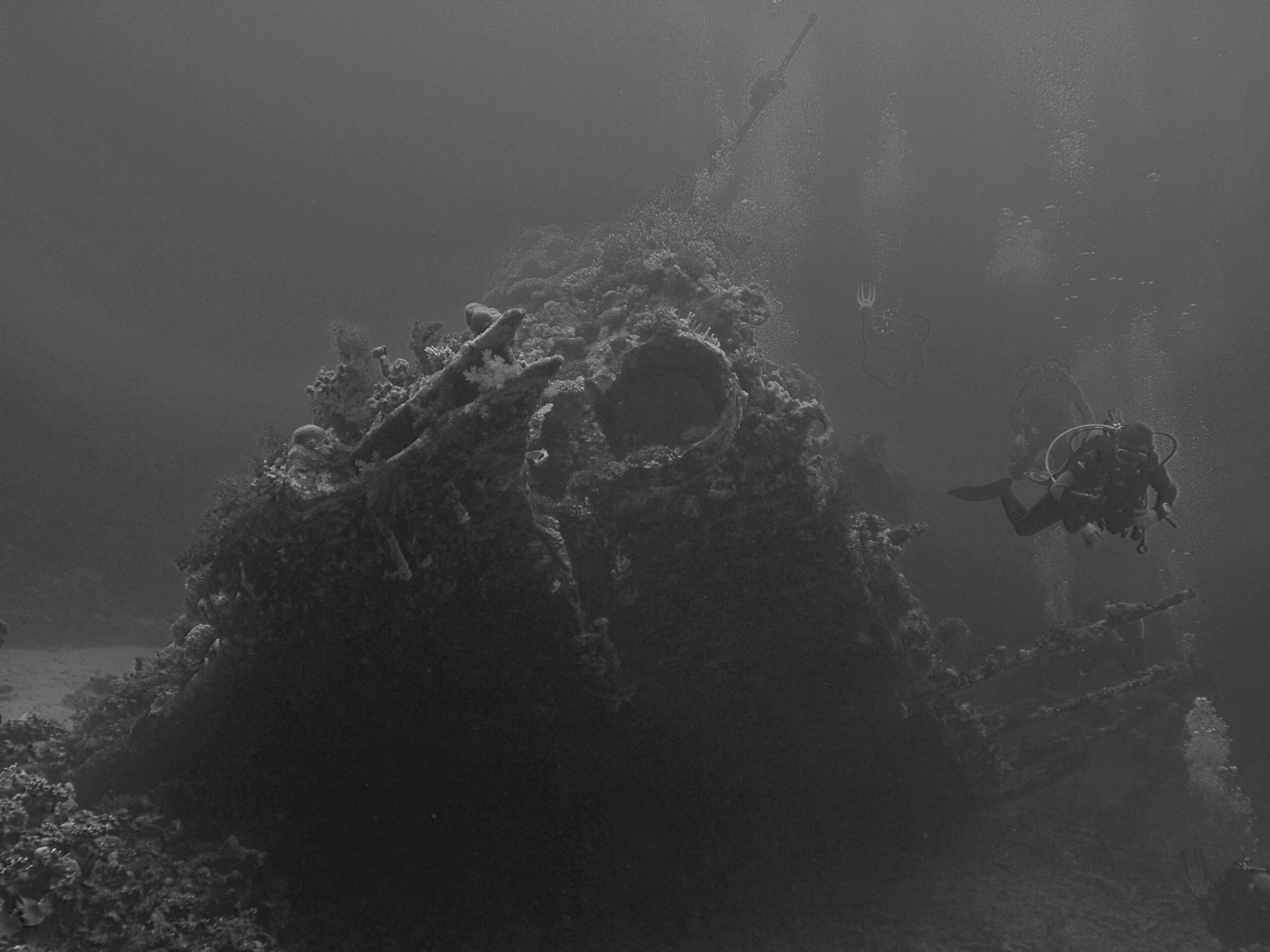
The contrast between shallow-water and deep-sea shipwrecks represents more than just a difference in depth—it reflects the ocean’s fundamental dual nature as both accessible and mysterious, life-giving and deadly, transparent and opaque. Shallow wrecks invite us into the sea’s sunlit realm, where history becomes tangible and marine life reclaims human creations. Deep wrecks remind us of the ocean’s vast unknowns, preserving moments frozen in darkness that technology only recently made visible.
Both environments offer irreplaceable insights into human maritime history. The weathered, reef-encrusted shallow wreck tells stories of rapid transformation and nature’s resilience. The pristine deep wreck preserves moments of catastrophe with haunting clarity. Together, they form a comprehensive archive of humanity’s complex relationship with the sea—our triumphs navigating its surface and our tragedies succumbing to its power.
As climate change, technology, and human activity continue reshaping ocean environments, the preservation status of wrecks at all depths will evolve. Rising ocean temperatures may allow wood-boring organisms to colonize previously protected deep sites. Advancing technology will reveal new wrecks while potentially threatening their preservation. The battle of the depths continues, with each discovery adding new chapters to maritime history while raising new questions about how we protect these underwater treasures for future generations.
Whether resting in coral-encrusted shallows or pristine abyssal plains, shipwrecks connect us to ancestors who ventured onto the ocean’s uncertain surface. Their preservation, study, and protection represent humanity’s commitment to remembering those who came before and learning from their journeys. In the eternal darkness of the deep and the shifting light of the shallows, these silent witnesses await, guarding mysteries and marvels that continue to captivate our imagination and expand our understanding of the maritime world. 🌊⚓

Toni Santos is a maritime researcher and underwater archaeologist specializing in the study of submerged heritage, ancient port systems, and the cultural landscapes preserved beneath the sea. Through an interdisciplinary and immersive approach, Toni investigates how humanity has left traces of knowledge, commerce, and legend in the underwater world — across oceans, myths, and sunken cities.
His work is grounded in a fascination with wrecks not only as artifacts, but as carriers of hidden meaning. From historic shipwreck discoveries to mythical harbors and lost coastal settlements, Toni uncovers the physical and cultural evidence through which civilizations preserved their relationship with the maritime unknown.
With a background in marine archaeology and underwater survey methods, Toni blends technical analysis with archival research to reveal how oceans were used to shape identity, transmit memory, and encode sacred knowledge.
As the creative mind behind revaltro, Toni curates documented dive studies, speculative harbor maps, and archaeological interpretations that revive the deep cultural ties between water, folklore, and forgotten science.
His work is a tribute to:
The submerged heritage of Historic Shipwrecks and Their Cargoes
The legendary sites of Mythical Harbors and Lost Civilizations
The technical methods of Underwater Exploration Techniques
The natural archiving power of Preservation in Salt and Sediment
Whether you’re a maritime historian, nautical researcher, or curious explorer of forgotten submerged worlds, Toni invites you to explore the hidden depths of oceanic heritage — one wreck, one harbor, one legend at a time.