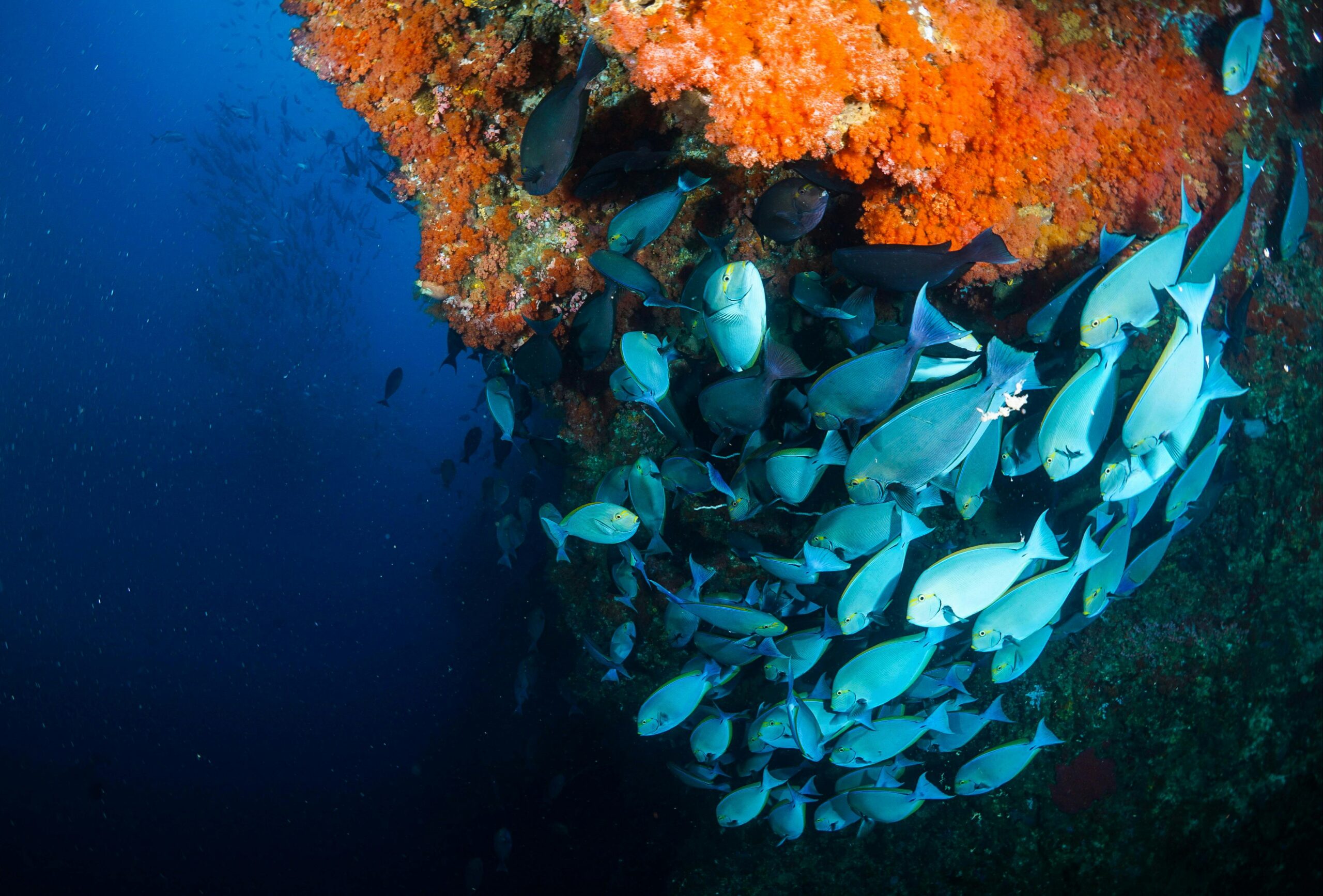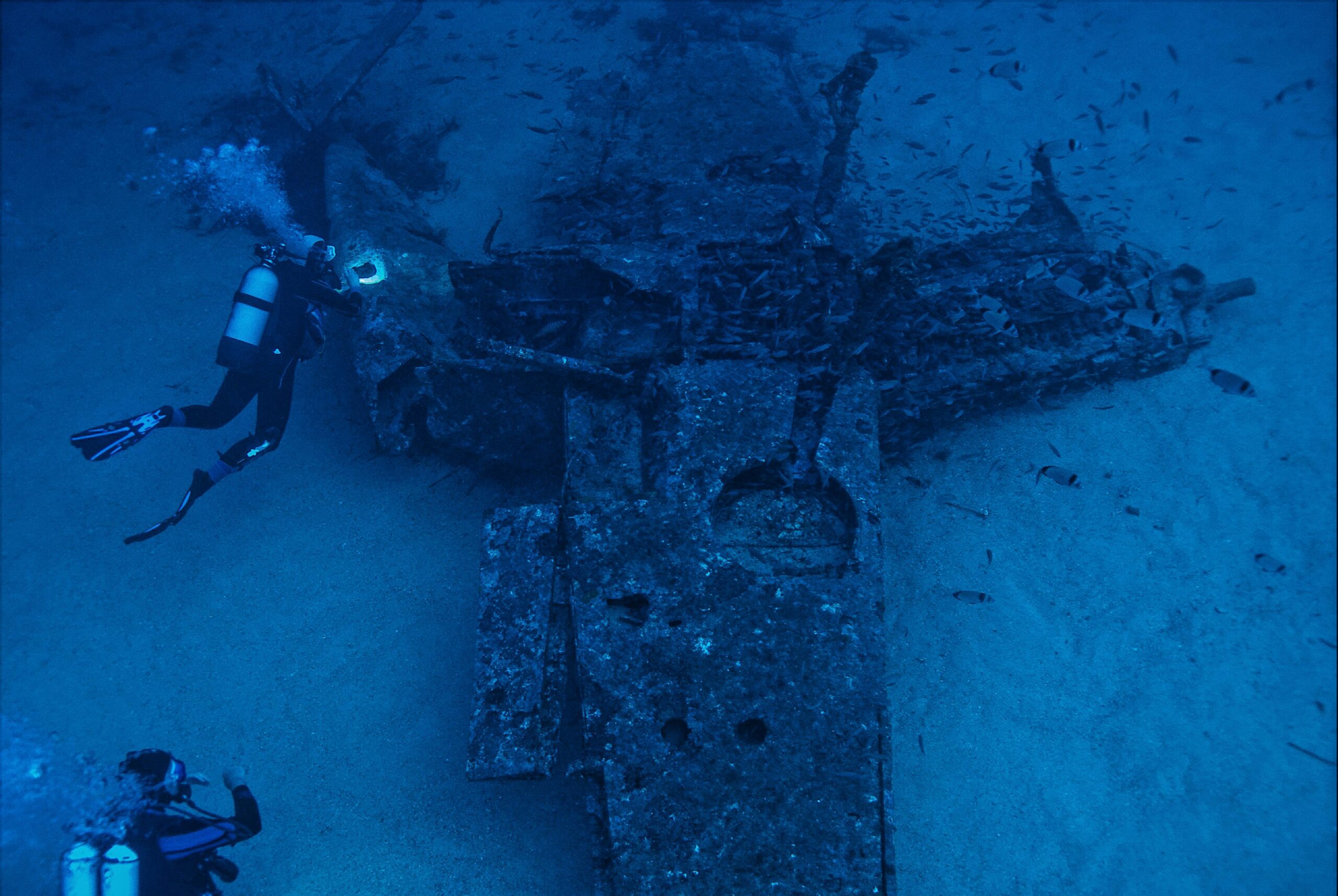
The ocean floor holds countless stories of courage, tragedy, and history frozen in time, waiting to be explored by those brave enough to venture into the depths.
⚓ A Memorial Resting in Pearl Harbor’s Waters
The USS Arizona represents more than just a sunken battleship. It stands as a powerful testament to one of the most defining moments in American history—the attack on Pearl Harbor on December 7, 1941. This maritime grave holds the remains of 1,177 crew members who lost their lives that fateful morning, transforming the wreck into both a war memorial and a sacred burial site.
Today, the USS Arizona Memorial attracts over two million visitors annually, though few can actually dive to witness the wreck itself. The ship rests in approximately 40 feet of water, with portions of the structure visible from the surface. Oil still seeps from the hull—roughly two to nine quarts per day—creating what many call the “tears of the Arizona,” a haunting reminder of the ship’s violent end.
The National Park Service oversees this underwater monument, restricting diving access to preserve both the site’s integrity and the dignity of those entombed within. Only authorized research teams and Navy divers conducting ceremonial duties are permitted to explore the wreckage directly, ensuring that this underwater cemetery remains undisturbed.
🌊 The Global Landscape of Wartime Shipwrecks
While the USS Arizona captures significant attention, it represents just one of thousands of wartime wrecks scattered across the world’s oceans. World War I and World War II alone account for an estimated 15,000 to 20,000 sunken vessels, creating what maritime archaeologists call the largest collection of underwater cultural heritage sites in human history.
These submerged time capsules offer invaluable insights into naval warfare, shipbuilding technology, and the human cost of global conflict. From the frigid waters of the Atlantic to the tropical Pacific, each wreck tells a unique story of bravery, strategy, and sacrifice.
Notable Wartime Wrecks Around the World
The RMS Lusitania, torpedoed off Ireland’s coast in 1915, remains one of the most controversial sinkings of World War I. The loss of 1,198 lives, including 128 Americans, helped shift public opinion and contributed to the United States’ eventual entry into the war. The wreck lies at 300 feet, accessible only to technical divers.
In the Pacific, the waters surrounding Truk Lagoon in Micronesia hold what many consider the world’s greatest wreck diving destination. Operation Hailstone in 1944 sent over 60 Japanese ships and 275 aircraft to the bottom, creating an underwater museum that attracts divers from across the globe.
The HMS Hood, Britain’s pride of the fleet, met its end in the Denmark Strait in 1941 after an encounter with the German battleship Bismarck. Only three of the 1,418 crew members survived. The wreck was discovered in 2001, lying in 9,000 feet of water, far beyond recreational diving limits.
🔍 Archaeological Significance of Underwater Military Sites
Wartime wrecks serve as extraordinary archaeological resources, offering preserved snapshots of historical moments. Unlike land-based sites that weather centuries of erosion and human interference, underwater environments can provide exceptional preservation conditions, particularly in deeper, colder waters where oxygen levels are lower and biological activity is reduced.
Modern maritime archaeology has evolved dramatically with technological advancement. Remote Operated Vehicles (ROVs), side-scan sonar, and photogrammetry allow researchers to document and study wrecks without disturbing them. These technologies create detailed 3D models that scholars can analyze without ever touching the physical artifacts.
The USS Arizona itself has been the subject of extensive archaeological documentation. In 2016, a comprehensive mapping project used advanced sonar to create the most detailed survey of the wreck to date, revealing structural details invisible to the naked eye and helping engineers understand how the ship is deteriorating over time.
Preservation Challenges and Environmental Factors
Time takes its toll on underwater wrecks, regardless of how well-preserved they may appear initially. The USS Arizona faces multiple threats: structural collapse, corrosion, biological colonization, and potential fuel oil leaks that could cause environmental disaster. Engineers estimate the ship’s fuel bunkers may contain up to 500,000 gallons of oil, though the exact amount remains uncertain.
Conservationists face difficult decisions about intervention. Should they actively preserve these sites, or allow nature to take its course? The debate reflects broader questions about our relationship with historical artifacts and the balance between access and preservation.
📚 Educational Value and Historical Lessons
Wartime wrecks function as powerful educational tools, making abstract historical events tangible and immediate. Students who visit the USS Arizona Memorial or study documentation from other wreck sites gain perspectives that textbooks alone cannot provide. These sites transform statistics into personal stories, helping new generations understand the true cost of war.
Virtual reality and augmented reality technologies are revolutionizing how people experience underwater heritage sites. Several institutions have created VR experiences allowing users to “dive” the USS Arizona or explore other restricted wrecks, democratizing access while protecting the physical sites.
The educational impact extends beyond history lessons. Marine biology students study how wrecks create artificial reefs, supporting diverse ecosystems. Engineers analyze metal corrosion patterns and structural failure modes. Environmentalists examine how human artifacts interact with natural systems over decades.
⚖️ Legal Protections and International Maritime Law
Wartime wrecks occupy a complex legal space, governed by various international agreements, national laws, and maritime traditions. The 2001 UNESCO Convention on the Protection of Underwater Cultural Heritage established important frameworks, though not all nations have ratified it.
Military vessels retain sovereign immunity, meaning they remain the property of their flag nation regardless of where they sink or how much time passes. The USS Arizona technically belongs to the United States Navy, which has designated it a war grave, providing the strongest possible protections under both U.S. and international law.
These protections don’t prevent all disturbances. Salvagers, souvenir hunters, and even well-meaning divers have damaged countless wreck sites. Illegal salvage operations targeting valuable metals or artifacts continue despite legal prohibitions, particularly at remote sites where enforcement is difficult.
The Ethics of Exploration and Salvage
Not all underwater exploration receives universal support. Descendants of those who perished in maritime disasters often view their ancestors’ final resting places as sacred ground that should remain untouched. This perspective creates tension with researchers’ desire to study these sites and salvagers’ commercial interests.
The debate intensified when salvagers recovered artifacts from ships like the RMS Titanic and the HMS Sussex. While some argue that salvage operations rescue historical objects from inevitable destruction, others contend that commercial exploitation of disaster sites dishonors the dead and treats tragedy as entertainment.
🐠 Ecological Transformation: From Warship to Reef
Wartime wrecks undergo remarkable ecological transformations, evolving from instruments of destruction into thriving marine habitats. The USS Arizona supports diverse communities of fish, coral, and invertebrates that have colonized every available surface over the past eight decades.
Marine biologists recognize shipwrecks as valuable artificial reefs that can equal or exceed natural reefs in biodiversity. These structures provide hard substrate for coral attachment, shelter for fish populations, and feeding grounds for larger predators. Some wrecks in tropical waters have become so thoroughly colonized that they’re virtually unrecognizable beneath layers of marine growth.
However, this ecological value creates additional preservation dilemmas. Should conservators remove marine growth to preserve historical integrity, or allow nature to continue its transformation? Most experts now favor minimal intervention, recognizing that the ecological communities themselves have become part of these sites’ historical significance.
💡 Technology Revealing Hidden Stories
Technological innovation continues to revolutionize underwater archaeology and wreck exploration. Autonomous Underwater Vehicles (AUVs) can survey vast areas of ocean floor, identifying potential wreck sites that human divers might never find. Advanced imaging systems peer through murky water and penetrate sediment to reveal buried structures.
DNA analysis and forensic techniques previously unavailable now help identify remains and personal artifacts, potentially returning names to unknown sailors. Chemical analysis of preserved materials reveals manufacturing techniques, supply chains, and economic conditions during wartime production.
Artificial intelligence and machine learning assist researchers in analyzing thousands of hours of underwater footage, identifying patterns and details that human observers might miss. These tools make comprehensive documentation of large wreck fields feasible for the first time.
Citizen Science and Crowdsourced Research
The internet has enabled new forms of collaborative research. Platforms allow enthusiasts worldwide to help transcribe ship logs, identify artifacts in photographs, or analyze sonar data. This democratization of maritime archaeology engages public interest while advancing scholarly understanding.
Recreational divers contribute valuable data through standardized reporting systems, documenting wreck conditions, marine life, and potential threats. These observations, collected over months or years, provide longitudinal data that professional researchers couldn’t gather alone.
🎖️ Remembering the Human Cost
Beyond their archaeological and ecological significance, wartime wrecks demand remembrance of the human lives they represent. The USS Arizona holds 1,177 souls, but similar stories echo across thousands of other sites. The HMS Royal Oak, torpedoed at anchor in 1939, entombs 833 crew members. The Wilhelm Gustloff, sunk in 1945, may have carried over 9,000 people to their deaths—the deadliest maritime disaster in history.
Survivor accounts provide haunting context for these underwater memorials. For those who escaped sinking ships, the trauma often lasted lifetimes. Their testimonies remind us that these weren’t abstract historical events but intensely personal experiences of terror, loss, and survival against impossible odds.
Memorial services continue at many wreck sites, particularly the USS Arizona, where Pearl Harbor survivors and their descendants gather annually. As the generation that experienced World War II passes away, these ceremonies take on additional poignancy, representing direct connections to history that will soon exist only in recorded memory.
🌐 Planning Your Own Exploration Experience
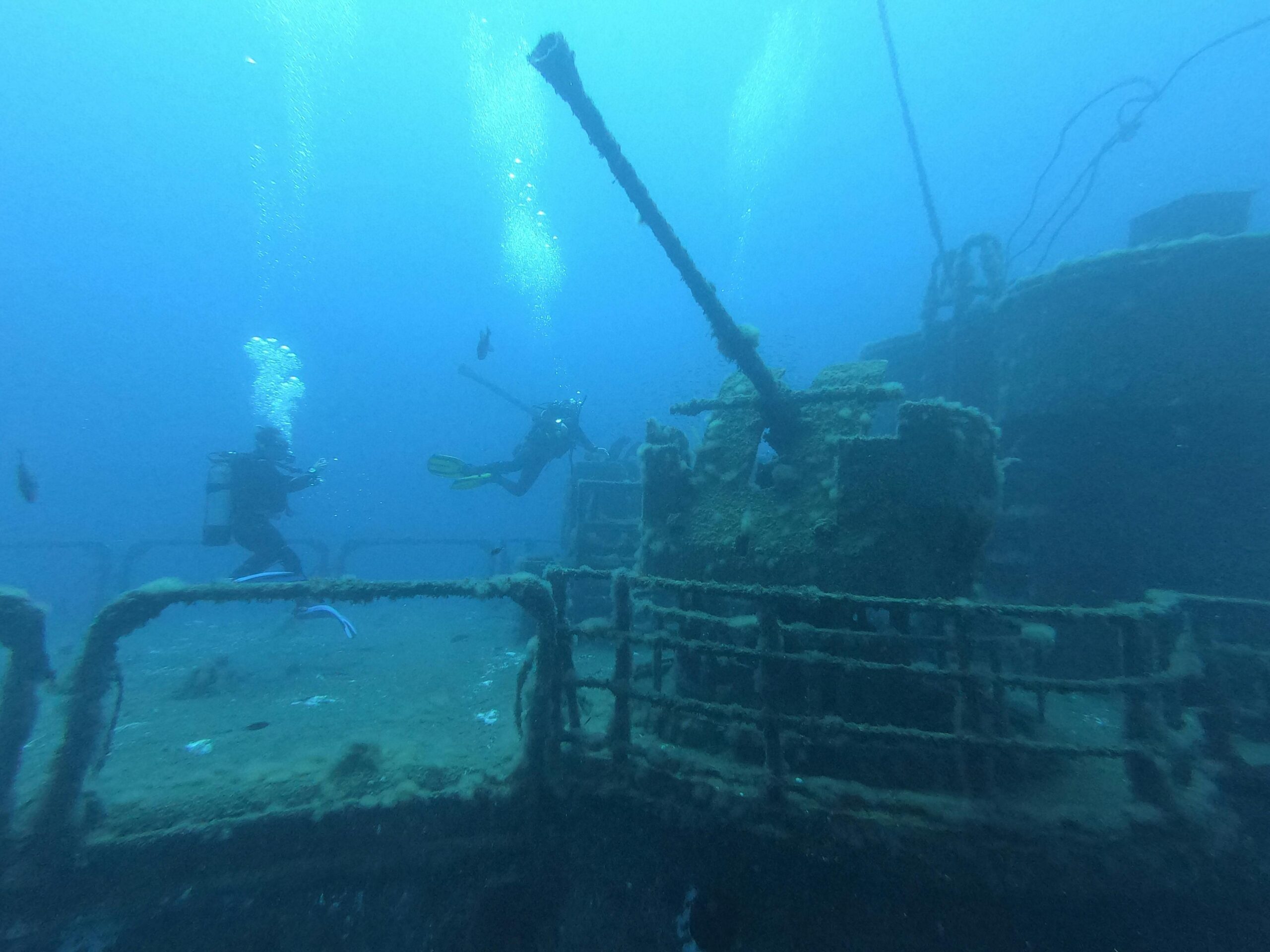
For those inspired to explore maritime history, numerous options exist beyond visiting the USS Arizona Memorial. Wreck diving has become a specialized recreational activity, with destinations worldwide offering experiences suitable for various skill levels.
The aforementioned Truk Lagoon provides extraordinary wreck diving for those with appropriate certifications. Most wrecks lie between 50 and 130 feet, making them accessible to advanced open water divers. Live-aboard dive vessels offer week-long expeditions exploring multiple wreck sites.
Closer to shore, the North Carolina coast offers numerous accessible wrecks, including German U-boats and Allied merchant vessels. The Great Lakes contain remarkably well-preserved freshwater wrecks, many from conflicts predating the World Wars. European waters hold countless historic vessels, particularly around former battle zones like the English Channel and Mediterranean Sea.
Responsible Wreck Diving Practices
Exploring underwater heritage sites carries serious responsibilities. Divers must practice exceptional buoyancy control to avoid damaging fragile structures. Nothing should be removed from wrecks, regardless of how insignificant items might seem. Even touching artifacts can accelerate deterioration or disturb important archaeological context.
Many historic wrecks are protected by law, making unauthorized removal of artifacts illegal and subject to substantial penalties. Beyond legal considerations, ethical divers recognize these sites as memorials deserving respect and preservation for future generations.
🔮 The Future of Underwater Military Heritage
As technology advances and ocean access improves, the future of underwater military heritage presents both opportunities and challenges. Climate change threatens shallow wrecks with increased storm activity and ocean acidification that accelerates corrosion. Rising sea levels may submerge land-based memorials while making some underwater sites more accessible.
International cooperation on maritime heritage protection is improving, with more nations recognizing these sites’ universal value. Joint research projects bring together experts from former enemy nations, transforming symbols of conflict into bridges promoting peace and understanding.
The next generation of explorers will inherit responsibility for thousands of underwater heritage sites. Whether future societies choose preservation, documentation, or natural deterioration will reflect broader values about history, memory, and our obligations to the past.
The legacy of the USS Arizona and countless other wartime wrecks extends far beyond their physical remains. These underwater monuments challenge us to remember sacrifice, learn from history, and protect irreplaceable cultural resources. As technology brings these hidden worlds increasingly within reach, we must balance curiosity with reverence, ensuring that exploration honors those whose final resting places lie beneath the waves.

Toni Santos is a maritime researcher and underwater archaeologist specializing in the study of submerged heritage, ancient port systems, and the cultural landscapes preserved beneath the sea. Through an interdisciplinary and immersive approach, Toni investigates how humanity has left traces of knowledge, commerce, and legend in the underwater world — across oceans, myths, and sunken cities.
His work is grounded in a fascination with wrecks not only as artifacts, but as carriers of hidden meaning. From historic shipwreck discoveries to mythical harbors and lost coastal settlements, Toni uncovers the physical and cultural evidence through which civilizations preserved their relationship with the maritime unknown.
With a background in marine archaeology and underwater survey methods, Toni blends technical analysis with archival research to reveal how oceans were used to shape identity, transmit memory, and encode sacred knowledge.
As the creative mind behind revaltro, Toni curates documented dive studies, speculative harbor maps, and archaeological interpretations that revive the deep cultural ties between water, folklore, and forgotten science.
His work is a tribute to:
The submerged heritage of Historic Shipwrecks and Their Cargoes
The legendary sites of Mythical Harbors and Lost Civilizations
The technical methods of Underwater Exploration Techniques
The natural archiving power of Preservation in Salt and Sediment
Whether you’re a maritime historian, nautical researcher, or curious explorer of forgotten submerged worlds, Toni invites you to explore the hidden depths of oceanic heritage — one wreck, one harbor, one legend at a time.