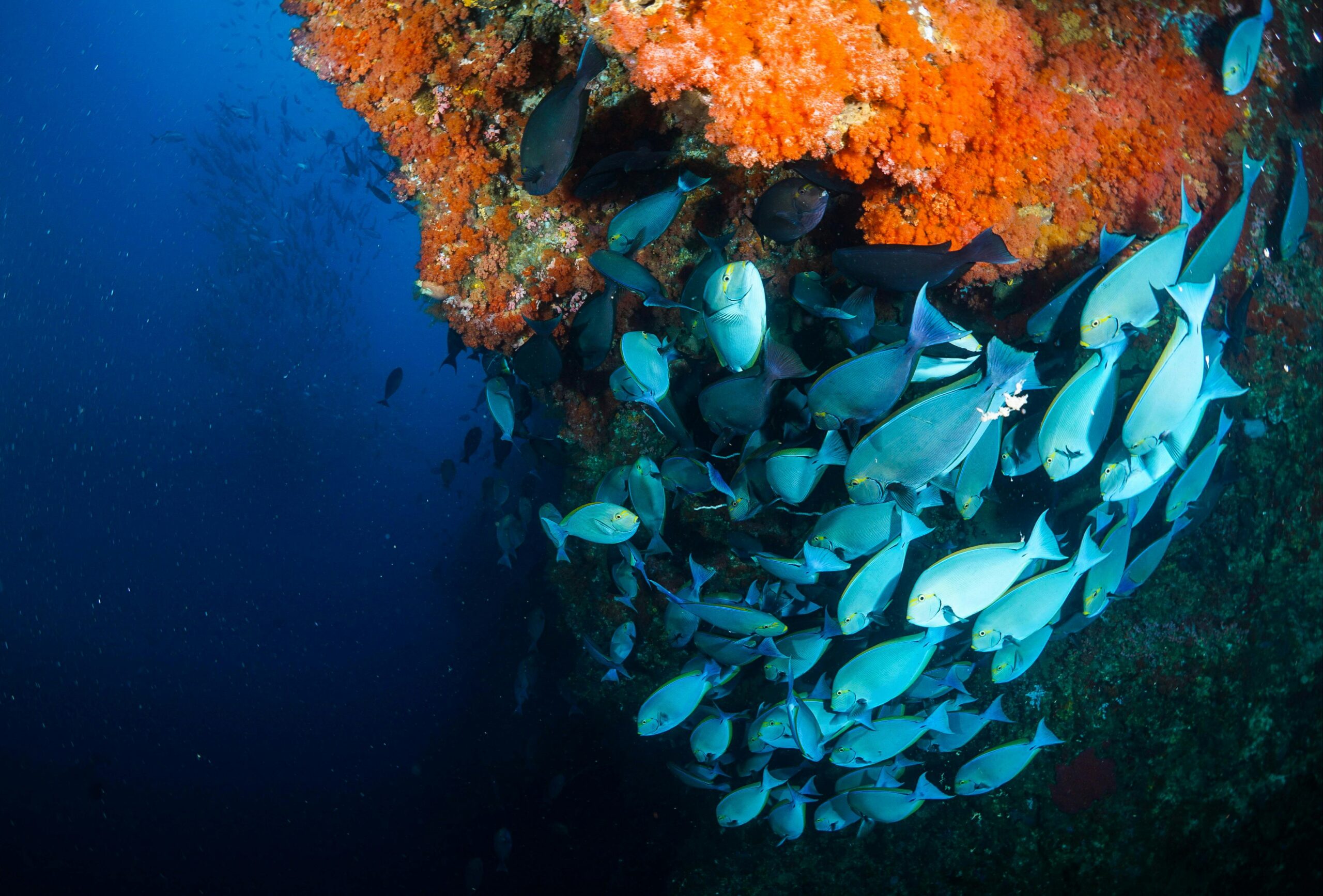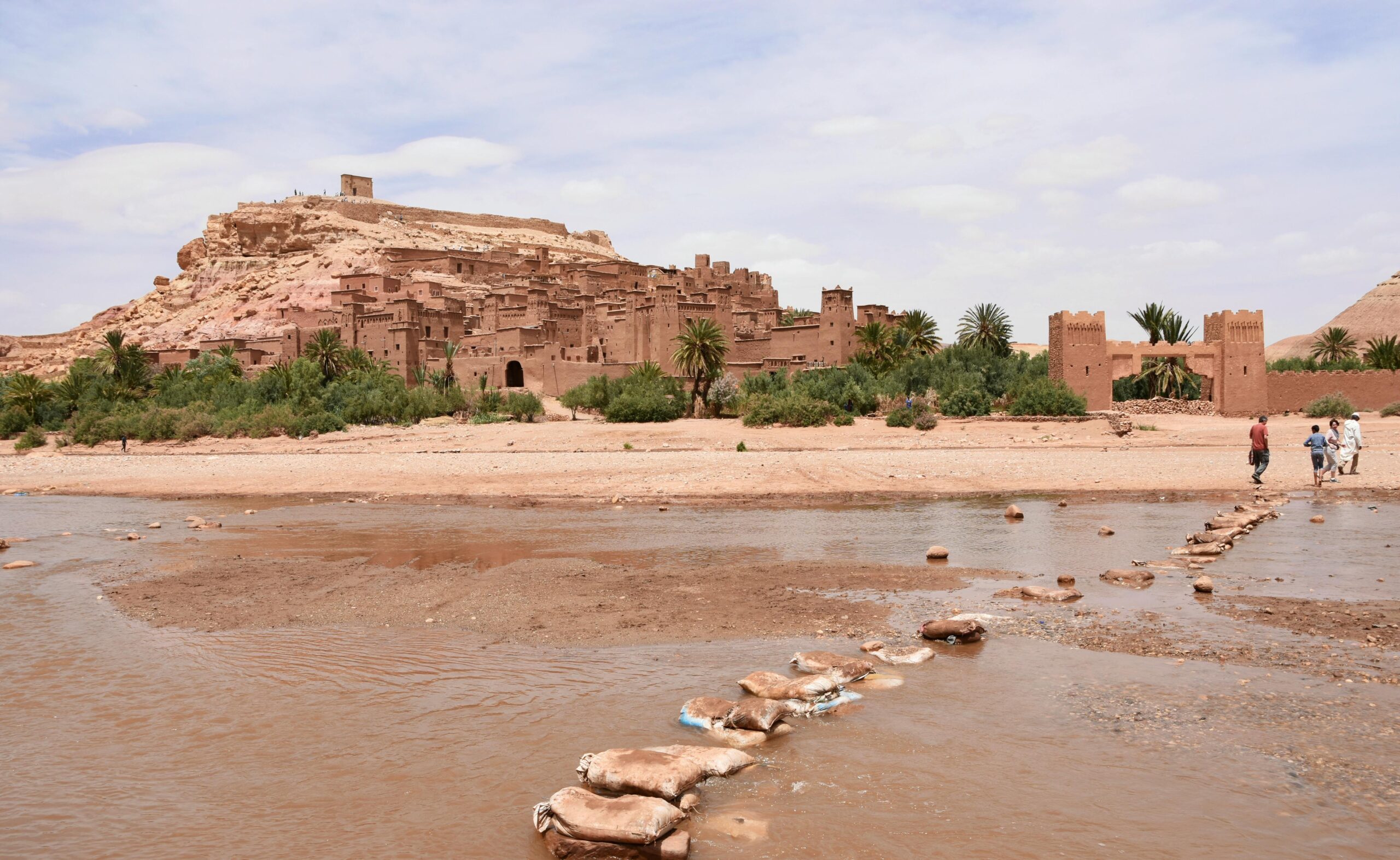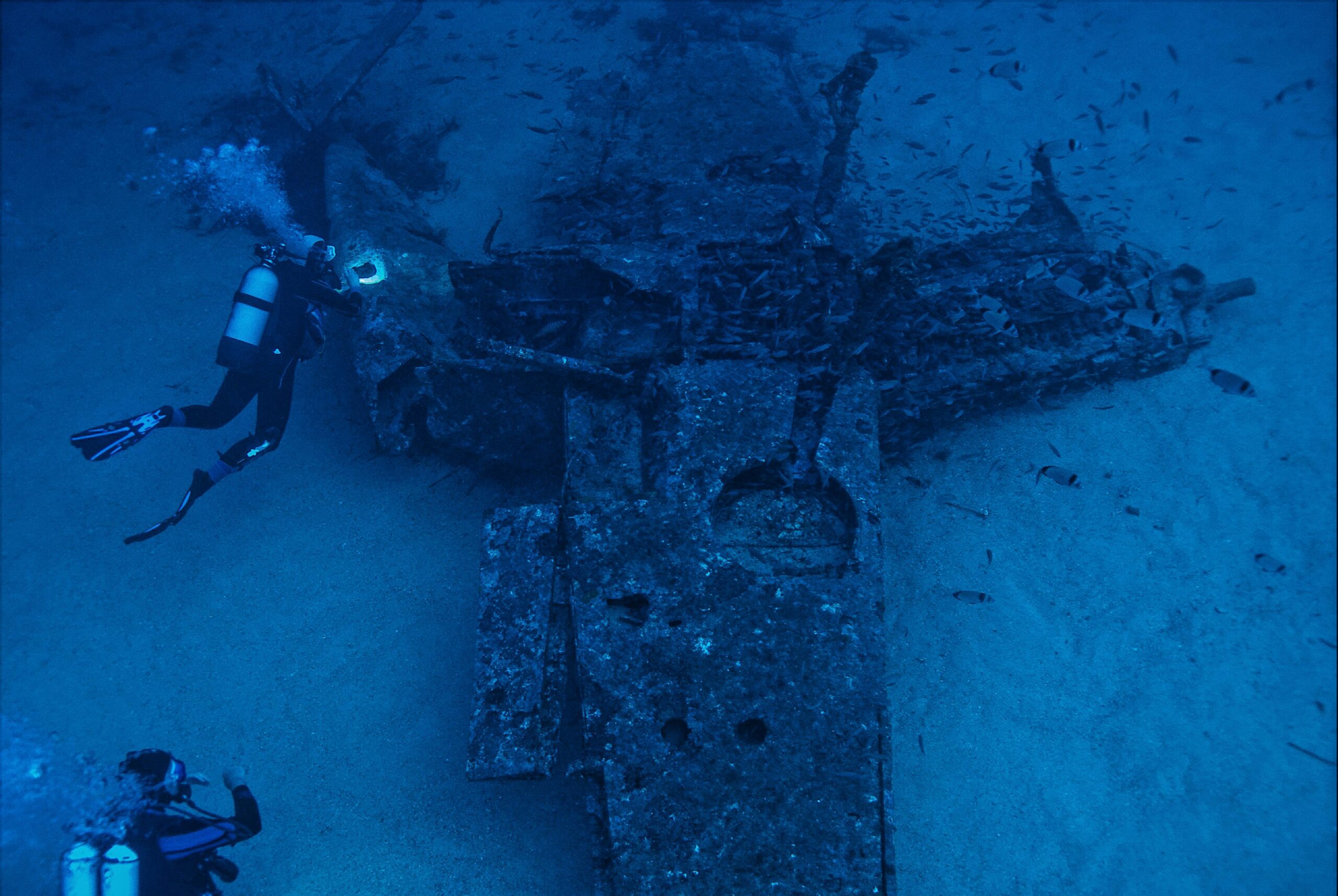
The ocean floor harbors countless stories of commerce, ambition, and tragedy, preserved within the wooden hulls of sunken vessels carrying precious cargo across ancient trade routes.
🌊 When the Sea Becomes a Vault: The Allure of Submerged Currency
Shipwrecks represent more than maritime disasters—they are time capsules offering unprecedented glimpses into historical economic systems, trade networks, and monetary practices. Among the most fascinating discoveries within these underwater archaeological sites are coins and trade currency that tell compelling stories about civilizations, their commerce, and their connections across vast distances.
The preservation of currency in shipwrecks provides numismatists, historians, and archaeologists with tangible evidence of economic exchange patterns that might otherwise remain speculative. Unlike documentary evidence that can be lost, destroyed, or manipulated, coins recovered from shipwrecks offer authentic testimony to trade relationships, political power, and technological advancement in metallurgy and minting.
Maritime archaeologists estimate that over three million shipwrecks rest on ocean floors worldwide, many carrying significant quantities of coins and precious metals. These vessels range from ancient Phoenician traders to Spanish treasure galleons, from Dutch East India Company merchantmen to modern cargo ships, each contributing unique numismatic treasures to our understanding of global trade history.
💰 The Spanish Treasure Fleet: Gold and Silver Highways
Perhaps no maritime trade system has captured public imagination quite like the Spanish treasure fleets that transported vast quantities of precious metals from the New World to Europe between the 16th and 18th centuries. These convoys carried gold doubloons, silver reales, and other denominations that financed European economies and sparked inflation across the continent.
The loss of treasure fleet vessels to hurricanes, warfare, and navigational errors created some of history’s most valuable underwater deposits. The 1715 Treasure Fleet, destroyed by a hurricane off Florida’s coast, scattered millions of Spanish coins across the seabed, many of which continue to be recovered today. These pieces of eight and gold escudos represent not just monetary value but also artistic achievement, bearing designs that reflected Spanish imperial power.
Similarly, the Nuestra Señora de Atocha, which sank in 1622, carried approximately 40 tons of silver and gold when discovered by treasure hunter Mel Fisher in 1985. The coins recovered from this wreck provided invaluable information about minting practices in colonial Mexico and Peru, including variations in design, weight standards, and precious metal content that reflected economic conditions in the Spanish Empire.
⚓ Cob Coins: Irregular Treasures of the Spanish Main
Among the most distinctive coins recovered from Spanish shipwrecks are cobs—roughly shaped pieces cut from silver or gold bars and stamped with minimal design elements. These irregular coins were produced quickly in New World mints to facilitate the rapid transfer of wealth to Spain, prioritizing speed over aesthetic perfection.
Cob coins display remarkable variation, with no two pieces exactly alike. This individuality makes each recovered specimen unique, bearing distinct hammer marks, die impressions, and irregular edges that tell stories about hasty minting processes in frontier colonial settings. Collectors prize these coins precisely because of their imperfections, which authenticate their age and origin more convincingly than machine-made uniformity ever could.
🏛️ Ancient Mediterranean Trade: Bronze, Silver, and Gold Beneath Azure Waters
Long before Spanish galleons crossed the Atlantic, Mediterranean civilizations conducted extensive maritime trade using diverse currency systems. Shipwrecks from Greek, Roman, Phoenician, and Byzantine periods have yielded extraordinary numismatic collections that illuminate ancient economic networks spanning from the Pillars of Hercules to the Levantine coast.
The Antikythera shipwreck, discovered off the Greek island of the same name in 1900, contained not only the famous astronomical mechanism but also numerous bronze and silver coins dating to approximately 70-60 BCE. These coins originated from various mints across the Mediterranean, demonstrating the interconnected nature of Hellenistic trade and the widespread acceptance of certain currency standards.
Roman shipwrecks have proven particularly abundant in coin discoveries. Vessels carrying military payrolls, tax revenues, or commercial cargo often transported thousands of sestertii, denarii, and aurei. The consistency of Roman coinage across vast geographical areas facilitated trade efficiency, and shipwreck finds confirm the standardization of weights, precious metal content, and designs that made Roman currency the dollar of the ancient world.
🔱 Byzantine Gold: Solidus Coins in Sunken Vessels
Byzantine gold solidi represent one of history’s most stable currencies, maintaining consistent weight and purity for over seven centuries. Shipwrecks containing these coins offer insights into Byzantine trade networks that connected Constantinople with distant ports in North Africa, Western Europe, and the Black Sea region.
The discovery of Byzantine coins in shipwrecks far from imperial territories demonstrates the currency’s widespread acceptance and trust. Merchants from diverse cultural backgrounds accepted solidi because of their reliable precious metal content, making them a truly international medium of exchange in an era of political fragmentation and uncertainty.
🌏 Asian Maritime Trade Routes: Coins of the East
While Western shipwrecks have received considerable attention, Asian maritime archaeology has revealed equally fascinating numismatic treasures. Chinese ceramic-laden vessels also carried copper cash coins, silver taels, and later Spanish dollars that circulated widely throughout East and Southeast Asian trade networks.
The Tek Sing, a Chinese junk that sank in 1822 in the South China Sea, carried nearly 2,000 passengers and crew along with an enormous cargo of porcelain. Among the ceramics, salvagers recovered numerous Spanish silver dollars and Chinese copper coins, demonstrating the multicurrency nature of Asian maritime commerce in the early 19th century.
Japanese and Korean shipwrecks have yielded coins that traveled along coastal trade routes, including Chinese-minted cash coins that served as international currency throughout East Asia. The wide distribution of these standardized bronze coins with characteristic square holes confirms the extent of regional economic integration centuries before modern globalization.
🏴☠️ Pirate Treasure: Fact Beyond Fiction
Popular culture romanticizes pirate treasure chests overflowing with gold doubloons and pieces of eight, but historical evidence from shipwreck archaeology presents a more nuanced picture. Pirates did accumulate significant plunder, but their treasures typically consisted of diverse coinage reflecting the multinational nature of Caribbean and Atlantic trade.
The Whydah Gally, a pirate ship captained by Samuel “Black Sam” Bellamy that sank off Cape Cod in 1717, has yielded over 200,000 artifacts including thousands of coins from multiple nations. Spanish reales, British shillings, French livres, and Portuguese pieces demonstrate that pirates seized whatever currency their victims carried, creating eclectic monetary collections that mirror the diversity of Atlantic trade participants.
These mixed-currency hoards provide valuable data about the relative values of different national currencies in the early 18th century, information that supplements and sometimes corrects documentary evidence about exchange rates and purchasing power in the colonial Atlantic world.
⛵ Dutch East India Company: Corporate Currency on the Ocean Floor
The Dutch East India Company (VOC) operated the world’s most extensive maritime trade network during the 17th and 18th centuries, and numerous VOC shipwrecks contain significant coin deposits. These vessels carried Dutch guilders, Spanish reales, and Asian currencies needed to purchase spices, textiles, and other valuable commodities in Asian markets.
The Vergulde Draeck, which wrecked off Western Australia in 1656, carried a chest containing thousands of silver coins intended for trade in the Dutch East Indies. The recovery of these coins provided concrete evidence of the currency preferences and trade practices employed by VOC merchants in Asian markets where silver held premium value.
Similarly, the Batavia, wrecked off Australia in 1629, contained coins that were subsequently used by mutineers in a failed attempt to establish an independent settlement. This unusual circumstance created an archaeological record of how European currency might function in completely isolated contexts, removed from established monetary systems and governmental authority.
🔍 Archaeological Methods: Recovering and Preserving Underwater Numismatic Treasures
Modern maritime archaeology employs sophisticated techniques to locate, recover, and preserve coins from shipwrecks. Unlike treasure hunters focused solely on monetary value, archaeologists prioritize contextual information that reveals how currency was stored, transported, and used aboard vessels.
The spatial distribution of coins within a wreck site can indicate whether they were centralized in a ship’s strongroom, distributed among passengers’ personal effects, or scattered by post-wrecking processes. This contextual data helps archaeologists distinguish between merchant vessels, military payroll ships, emigrant transports, and treasure carriers, each with distinctive cargo organization patterns.
Conservation challenges are significant, as centuries of saltwater exposure create corrosion, concretion, and electrolytic deterioration that can obscure or destroy numismatic details. Specialized conservation techniques including electrolytic reduction, mechanical cleaning, and chemical stabilization help preserve recovered coins while maintaining their archaeological integrity and research value.
🧪 Scientific Analysis: What Coins Reveal Beyond Face Value
Advanced analytical techniques allow researchers to extract extraordinary information from shipwreck coins. X-ray fluorescence spectroscopy determines precise metal compositions, revealing variations in silver or gold purity that indicate different mints, time periods, or economic conditions such as currency debasement during financial crises.
Isotope analysis can sometimes identify the geographical origin of precious metals used in coins, tracing silver from Peruvian mines or gold from West African sources. This chemical fingerprinting creates connections between distant locations, mapping resource extraction, refining, minting, and ultimately loss at sea into comprehensive narratives of global material flows.
💎 Notable Discoveries: Shipwrecks That Rewrote Numismatic History
Certain shipwreck discoveries have fundamentally altered understanding of monetary history. The SS Republic, a Civil War-era steamship that sank in 1865, contained over 51,000 U.S. coins including rare varieties previously unknown to numismatists. These discoveries expanded knowledge of 19th-century American minting practices and filled gaps in numismatic catalogs.
The HMS Sussex, a British warship lost in 1694, reportedly carried a massive shipment of coins intended to finance military alliances during the Nine Years’ War. Though recovery efforts have been controversial, the potential numismatic value lies not just in precious metal content but in the window such coins would open onto late 17th-century British monetary policy and war financing.
The Uluburun shipwreck off Turkey’s coast, dating to the late 14th century BCE, predates true coinage but contained standardized metal ingots that served monetary functions in Bronze Age trade. This discovery pushed back understanding of proto-currency systems and demonstrated sophisticated economic practices in the ancient Mediterranean world.
⚖️ Legal and Ethical Dimensions: Who Owns Sunken Treasure?
The discovery of valuable coins in shipwrecks inevitably raises complex legal and ethical questions about ownership, cultural heritage, and commercial exploitation. International maritime law, national sovereignty claims, salvage rights, and archaeological preservation principles often conflict when shipwrecks contain significant numismatic treasures.
Spain has aggressively pursued legal claims to treasure recovered from Spanish colonial shipwrecks, arguing that sovereign immunity protects government vessels regardless of how long they’ve been submerged. The landmark Black Swan case, involving coins recovered from the Nuestra Señora de las Mercedes, established important precedents about state ownership of cultural patrimony in international waters.
UNESCO’s Convention on the Protection of Underwater Cultural Heritage advocates for in-situ preservation when possible and scientific excavation when necessary, opposing purely commercial salvage operations. However, enforcement remains challenging, and tensions persist between archaeological ethics and treasure hunting economics.
📚 Educational Value: What Shipwreck Coins Teach Us
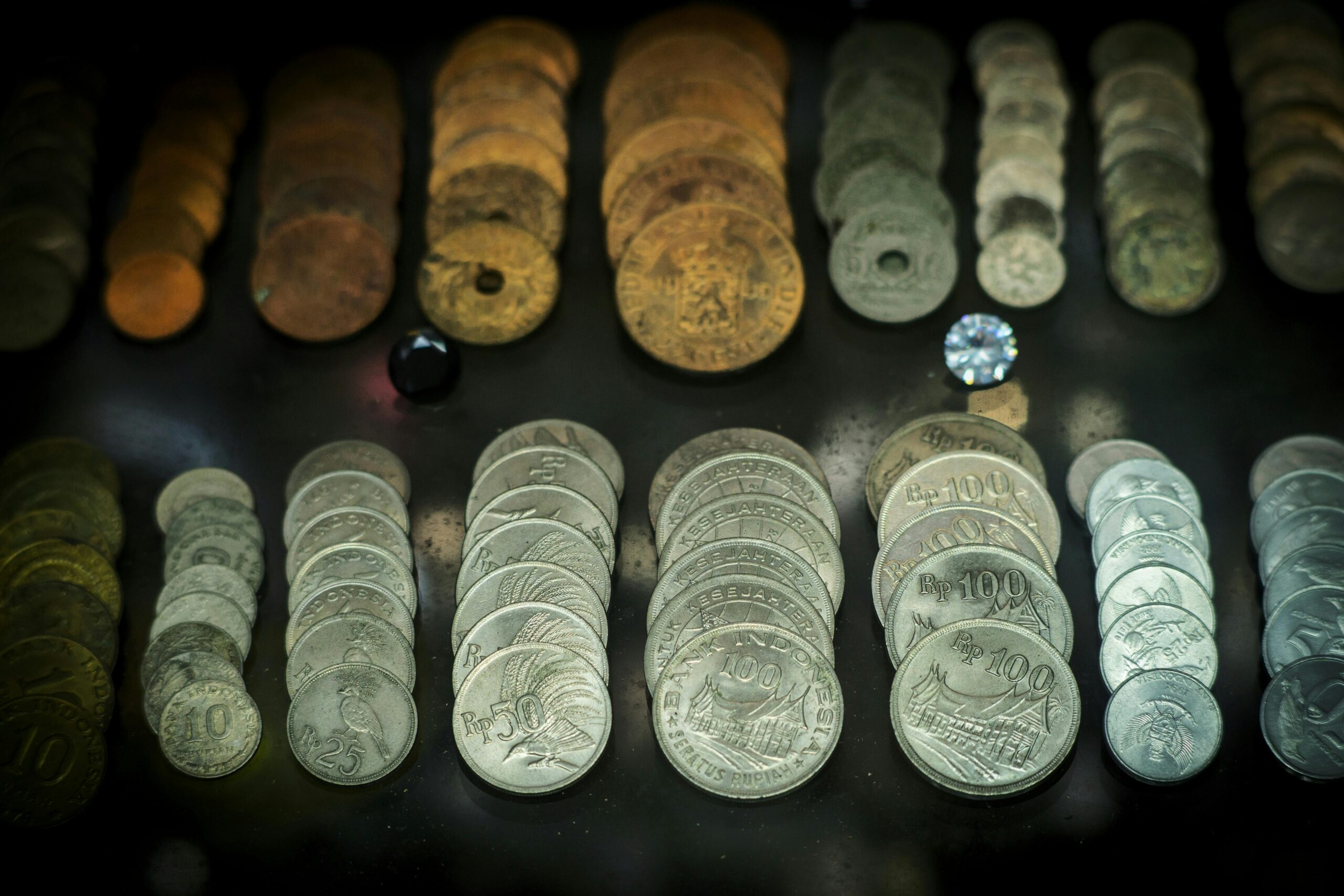
Beyond monetary worth, coins from shipwrecks serve as invaluable educational resources. Museums worldwide display these artifacts to illustrate economic history, maritime trade, cultural exchange, and technological development in metallurgy and minting. Each coin carries multiple stories—about the empire that issued it, the ship that carried it, and the circumstances of its loss.
Students examining Spanish silver reales learn simultaneously about New World colonization, global silver flows that financed European wars, inflation’s economic effects, and the human costs of maritime commerce. A single artifact connects multiple historical themes, making abstract economic concepts tangible and memorable.
Numismatic collections from shipwrecks also reveal economic crises, currency reforms, and technological innovations. Debased coins indicate fiscal pressures on issuing governments, while advances in minting technology mark transitions from hand-hammered to machine-struck production methods that revolutionized currency manufacture.
🌅 The Future of Underwater Numismatic Archaeology
Technological advances continue expanding capabilities for discovering and studying shipwreck coins. Autonomous underwater vehicles equipped with sophisticated sensors can survey vast areas of ocean floor, identifying potential wreck sites for archaeological investigation. Deep-sea submersibles enable human researchers to examine wrecks at depths previously inaccessible, opening new frontiers in maritime archaeology.
Digital documentation techniques including photogrammetry and 3D scanning create detailed virtual records of coins and their archaeological contexts, allowing worldwide research access without physical handling that might damage fragile artifacts. These digital collections democratize access to shipwreck numismatic treasures, supporting education and research far from actual recovery sites.
Climate change and ocean acidification pose emerging threats to underwater archaeological sites, potentially accelerating deterioration of shipwrecks and their contents. This urgency motivates archaeologists to prioritize documentation and selective recovery before rising temperatures and changing ocean chemistry destroy irreplaceable historical evidence resting beneath the waves.
As technology evolves and legal frameworks develop, the next decades will likely witness extraordinary discoveries that further illuminate humanity’s maritime heritage. Each coin recovered from the ocean floor represents a small piece of a vast puzzle depicting how trade, commerce, and cultural exchange shaped civilizations throughout history. These treasures beneath the waves continue calling to researchers, reminding us that much of human history remains unexplored, waiting in the silent darkness of the deep sea to share its stories with those patient and dedicated enough to listen.

Toni Santos is a maritime researcher and underwater archaeologist specializing in the study of submerged heritage, ancient port systems, and the cultural landscapes preserved beneath the sea. Through an interdisciplinary and immersive approach, Toni investigates how humanity has left traces of knowledge, commerce, and legend in the underwater world — across oceans, myths, and sunken cities.
His work is grounded in a fascination with wrecks not only as artifacts, but as carriers of hidden meaning. From historic shipwreck discoveries to mythical harbors and lost coastal settlements, Toni uncovers the physical and cultural evidence through which civilizations preserved their relationship with the maritime unknown.
With a background in marine archaeology and underwater survey methods, Toni blends technical analysis with archival research to reveal how oceans were used to shape identity, transmit memory, and encode sacred knowledge.
As the creative mind behind revaltro, Toni curates documented dive studies, speculative harbor maps, and archaeological interpretations that revive the deep cultural ties between water, folklore, and forgotten science.
His work is a tribute to:
The submerged heritage of Historic Shipwrecks and Their Cargoes
The legendary sites of Mythical Harbors and Lost Civilizations
The technical methods of Underwater Exploration Techniques
The natural archiving power of Preservation in Salt and Sediment
Whether you’re a maritime historian, nautical researcher, or curious explorer of forgotten submerged worlds, Toni invites you to explore the hidden depths of oceanic heritage — one wreck, one harbor, one legend at a time.