The ocean floor holds secrets from civilizations long forgotten, preserving ancient pottery and ceramics that reveal fascinating stories about human history and cultural evolution.
🏺 The Silent Guardians of History Beneath the Waves
For centuries, the world’s oceans have acted as enormous time capsules, protecting archaeological treasures from the ravages of surface-dwelling civilizations. Among the most remarkable discoveries found in these underwater museums are ancient pottery and ceramics—fragile artifacts that somehow survived thousands of years submerged in saltwater. These stunning finds provide invaluable insights into ancient trade routes, artistic traditions, daily life, and technological advancements of civilizations that thrived millennia ago.
Underwater archaeology has transformed our understanding of ancient societies. Unlike terrestrial sites that may be disturbed by agriculture, construction, or looting, shipwrecks and submerged settlements often remain remarkably intact. The anaerobic conditions in certain underwater environments can preserve organic materials and protect ceramics from the freeze-thaw cycles and erosion that destroy land-based artifacts.
The Mediterranean: A Ceramic Treasury Beneath Azure Waters
The Mediterranean Sea has yielded some of the most extraordinary collections of ancient pottery ever discovered. This historically significant body of water served as the highway for Phoenician, Greek, Roman, and Byzantine traders, and its depths are littered with the remnants of their voyages.
One of the most spectacular discoveries occurred off the coast of Turkey, where archaeologists found an Bronze Age shipwreck dating to approximately 1300 BCE. The Uluburun wreck contained hundreds of storage jars, elegant Mycenaean pottery, and Canaanite amphorae that once held wine, oil, and precious resins. These ceramics, perfectly preserved by the sea, display intricate decorative patterns and provide evidence of extensive trade networks connecting the ancient Mediterranean world.
Greek Amphorae: Vessels of Commerce and Culture
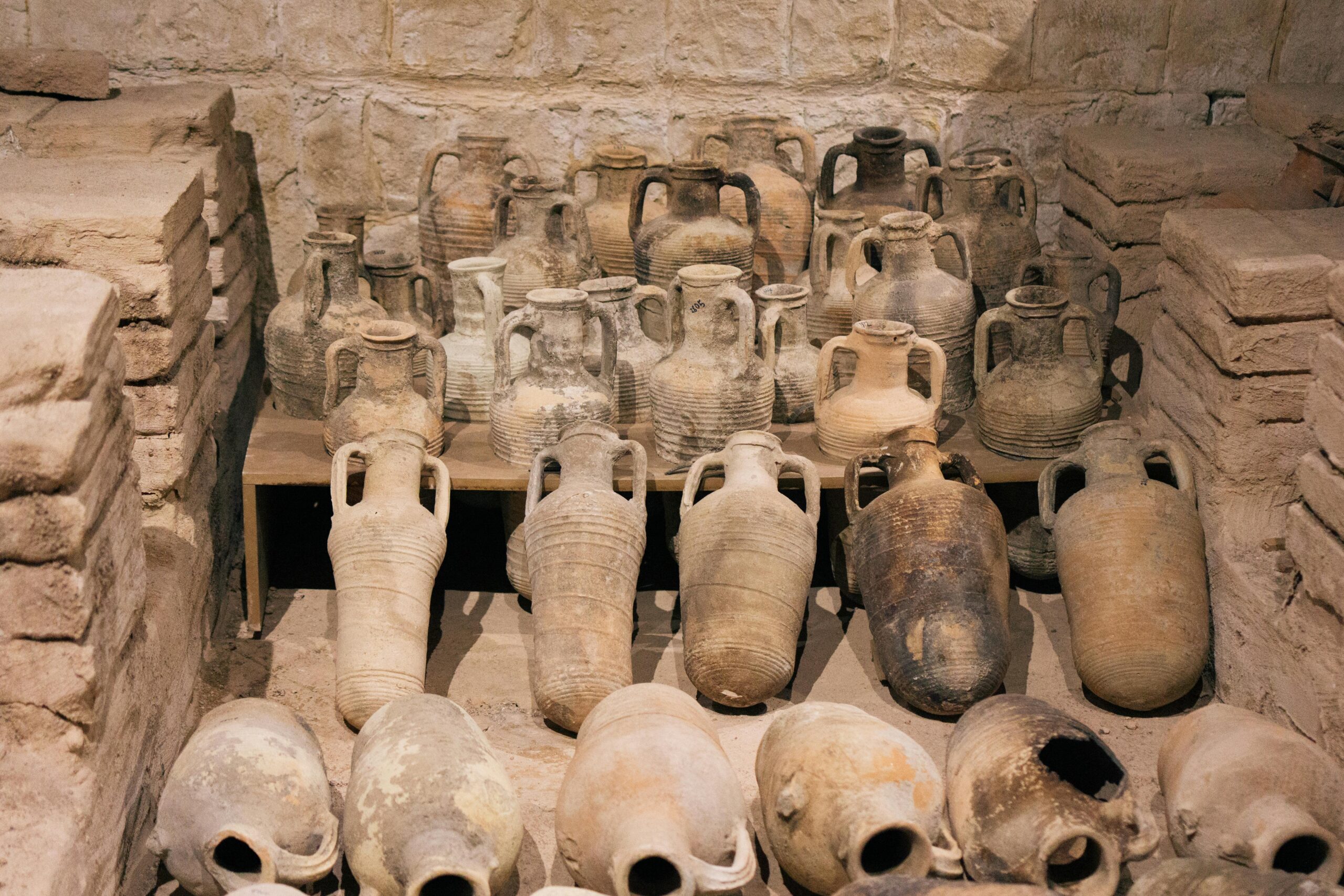
Greek amphorae represent perhaps the most commonly discovered ceramic artifacts in Mediterranean waters. These two-handled storage vessels were the shipping containers of the ancient world, designed to transport wine, olive oil, grain, and garum (fermented fish sauce) across vast distances.
What makes these discoveries particularly valuable is that amphorae often bear maker’s marks, stamps, or painted inscriptions that identify their origin, contents, and sometimes even the merchant or workshop that produced them. Marine archaeologists have catalogued thousands of amphora types, creating detailed typologies that help date shipwrecks and trace ancient trade patterns with remarkable precision.
Asian Waters: Porcelain Roads Beneath the Seas 🌊
While the Mediterranean has yielded bronze and iron age ceramics, Asian waters hold treasures from more recent centuries—particularly the exquisite porcelain that made Chinese craftsmen legendary throughout the world. The South China Sea, the waters around Indonesia, and the Indian Ocean have all surrendered shipwrecks laden with ceramic cargo destined for distant markets.
The Belitung shipwreck, discovered in 1998 off Indonesia, contained over 60,000 pieces of Tang Dynasty ceramics dating to around 830 CE. This single find revolutionized understanding of 9th-century maritime trade between China and the Middle East. The cargo included beautifully painted bowls, dishes, and ewers featuring the distinctive cobalt blue designs that would influence ceramic production worldwide for centuries to come.
The Hatcher Collection and Ming Dynasty Masterpieces
In 1983, British salvage expert Michael Hatcher discovered a Chinese junk that had sunk in the South China Sea around 1643. The vessel carried approximately 150,000 pieces of late Ming Dynasty porcelain, including elaborately decorated plates, vases, and figurines. The ceramics were in such pristine condition that they were auctioned at Christie’s in Amsterdam, where they fetched millions of dollars.
These discoveries illustrate not only the artistic achievements of Chinese potters but also the scale of maritime commerce during the Ming period. The ceramics were produced specifically for export, with designs tailored to appeal to European, Middle Eastern, and Southeast Asian tastes.
Technological Marvels: How Ceramics Survive Underwater
The survival of pottery beneath the sea might seem counterintuitive given the fragility of ceramics, but several factors contribute to their preservation:
- Rapid burial: Many shipwrecks sink quickly and become covered with sediment, protecting artifacts from physical damage and biological deterioration
- Ceramic composition: High-fired ceramics like stoneware and porcelain are extremely durable and resistant to saltwater corrosion
- Anaerobic environments: Sediment-covered sites lack oxygen, preventing the growth of organisms that might damage artifacts
- Chemical stability: Glazed ceramics are particularly resistant to chemical changes in seawater
- Container protection: Pottery packed tightly in a ship’s hold often protects itself through mutual support
However, not all ceramics fare equally well. Earthenware and low-fired pottery are more porous and susceptible to deterioration. Marine encrustations can damage delicate surfaces, and the transition from underwater to air exposure requires careful conservation to prevent destructive salt crystallization.
Revolutionary Discovery Methods in Marine Archaeology ⚓
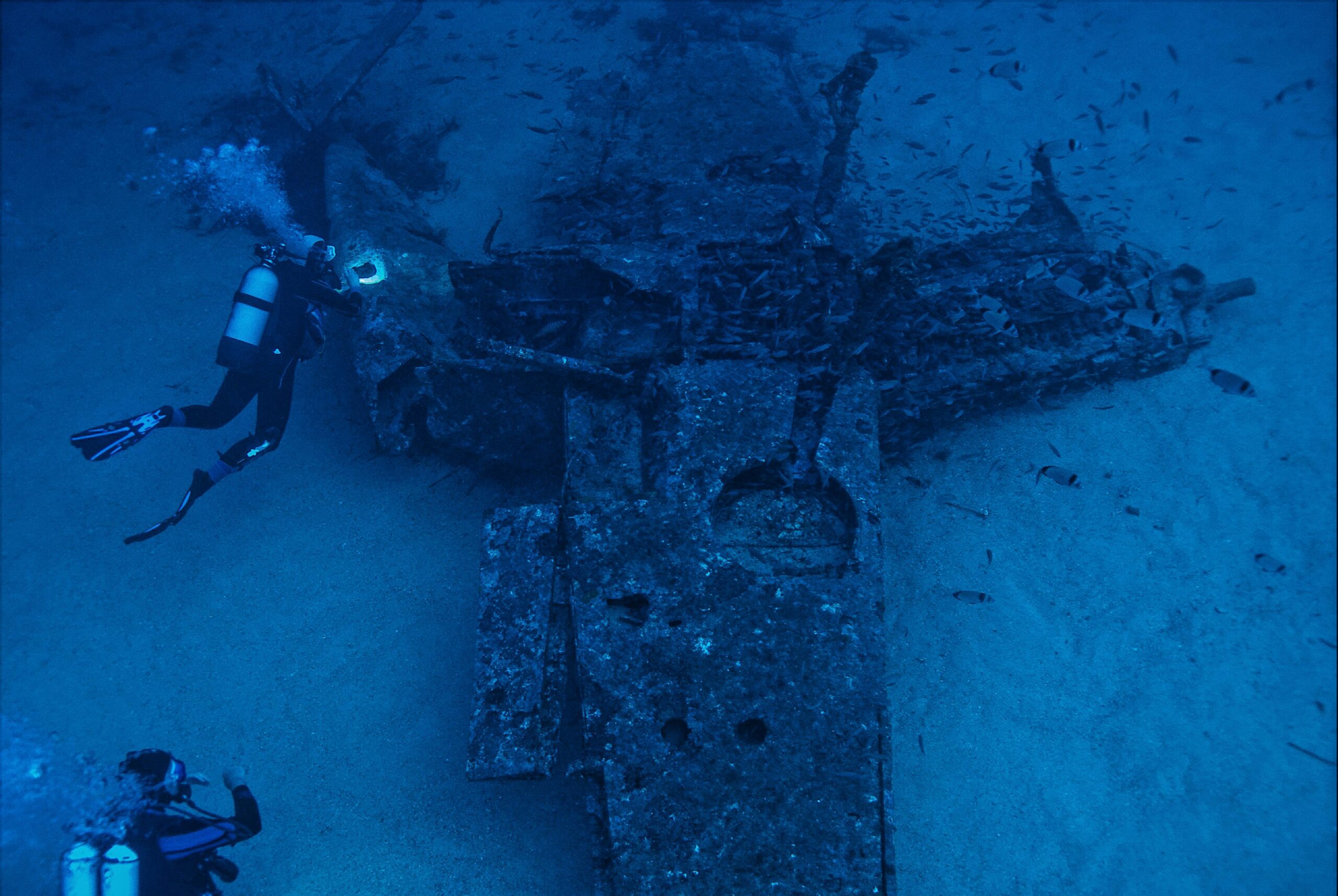
Modern technology has transformed the field of underwater archaeology, enabling discoveries that would have been impossible just decades ago. Remote-operated vehicles (ROVs), side-scan sonar, magnetometry, and photogrammetry have revolutionized how researchers locate and document submerged sites.
The development of sophisticated diving equipment, including rebreathers and mixed-gas systems, allows archaeologists to work at greater depths for extended periods. Autonomous underwater vehicles (AUVs) can systematically survey vast areas of the ocean floor, identifying potential archaeological sites through anomalies in bottom topography or variations in sediment composition.
Non-Invasive Documentation Techniques
Contemporary maritime archaeology emphasizes in-situ preservation and non-invasive documentation. High-resolution underwater photography, 3D photogrammetry, and laser scanning create detailed digital records of artifacts and wreck sites without disturbing the archaeological context. These digital models enable researchers worldwide to study finds virtually, preserving the information even if the physical site deteriorates over time.
Stories Told Through Shards: What Ancient Pottery Reveals 📖
Every piece of underwater pottery holds multiple layers of information for trained archaeologists. Beyond the obvious aesthetic and artistic value, ceramics reveal economic patterns, technological capabilities, cultural exchanges, and even climate conditions.
Clay composition analysis can pinpoint where a vessel was manufactured, sometimes to a specific workshop or kiln site. Residue analysis of amphora interiors reveals their contents—whether they carried wine, oil, honey, or other commodities. Decorative styles indicate cultural preferences and artistic influences that traveled along trade routes.
The Economics of Ancient Trade
Large assemblages of pottery from shipwrecks provide unprecedented insights into ancient commerce. The standardization of amphora sizes and shapes reflects sophisticated systems of measurement and quality control. The presence of luxury ceramics alongside utilitarian wares indicates the economic strategies of ancient merchants who diversified their cargo to maximize profits across different market segments.
| Ceramic Type | Primary Origin | Common Contents | Dating Period |
|---|---|---|---|
| Dressel 1 Amphora | Italy | Wine | 2nd-1st century BCE |
| Tang Blue-and-White | China | N/A (tableware) | 8th-9th century CE |
| Canaanite Jar | Eastern Mediterranean | Wine, oil, resins | Late Bronze Age |
| Ming Export Porcelain | Jingdezhen, China | N/A (tableware) | 14th-17th century CE |
Controversial Waters: Ethics and Underwater Cultural Heritage
The discovery of valuable ceramics on the ocean floor has sparked intense debates about ownership, conservation, and commercial salvage. While some underwater finds have been recovered by professional archaeologists using rigorous scientific methods, others have been plundered by treasure hunters motivated primarily by profit.
The 2001 UNESCO Convention on the Protection of the Underwater Cultural Heritage established international standards for protecting submerged archaeological sites. The convention emphasizes in-situ preservation as the preferred option and prohibits the commercial exploitation of underwater cultural heritage.
However, enforcement remains challenging in international waters, and many nations have not ratified the convention. The tension between commercial salvage operations and archaeological preservation continues to generate controversy, particularly when spectacular ceramic cargoes are involved.
Conservation Challenges: From Seabed to Museum Display 🏛️
Recovering ancient ceramics from underwater sites is only the beginning of a complex conservation process. Objects that have achieved chemical equilibrium in a marine environment undergo significant stress when removed from water. Salt-saturated pottery must be carefully desalinated through repeated cycles of freshwater soaking, a process that can take months or even years for thick-walled vessels.
Marine concretions—hard deposits formed by minerals and biological materials—often encrust underwater artifacts. Removing these deposits without damaging delicate glazes or painted decorations requires patience and specialized skills. Conservators use mechanical tools, chemical treatments, and sometimes electrolytic reduction to carefully clean ceramics while preserving original surfaces.
Long-Term Preservation Strategies
Once cleaned and stabilized, ancient ceramics require controlled storage environments to prevent deterioration. Humidity fluctuations can cause soluble salts within the pottery to crystallize and expand, literally breaking the artifact from within. Museums maintain ceramic collections in climate-controlled spaces with stable temperature and relative humidity levels.
Famous Finds That Changed Our Understanding of History
Certain underwater ceramic discoveries have proven so significant that they’ve rewritten chapters of human history. The Antikythera shipwreck, discovered off the Greek island of Antikythera in 1900, yielded not only the famous ancient computer mechanism but also fine ceramics that helped date the wreck to approximately 70-60 BCE.
The Kyrenia ship, excavated off Cyprus between 1967 and 1969, contained over 400 amphorae that provided crucial evidence about Hellenistic maritime trade. The varied origins of the pottery suggested the ship had called at multiple ports, assembling its cargo gradually—a pattern that changed assumptions about ancient shipping practices.
In the Americas, underwater excavations at cenotes in the Yucatan Peninsula have recovered Maya ceramics used in ritual offerings. These finds, preserved in freshwater sinkholes, reveal religious practices and artistic traditions that complemented knowledge gained from terrestrial archaeological sites.
The Future of Underwater Ceramic Archaeology 🔮
Advances in technology promise even more spectacular discoveries in coming decades. Artificial intelligence and machine learning algorithms can now analyze sonar data to identify potential archaeological sites with greater accuracy than human operators. Underwater drones equipped with specialized sensors can map vast areas of the ocean floor, creating detailed databases of submerged cultural resources.
Chemical analysis techniques continue to evolve, offering increasingly detailed information about ceramic composition, manufacturing techniques, and use-history. Isotope analysis can trace not only where clay was sourced but also where the finished pottery was used, revealing patterns of distribution and exchange.
Citizen science initiatives and recreational divers contribute to archaeological knowledge by reporting finds to authorities, expanding the surveillance network across coastal waters worldwide. Collaborative international projects pool resources and expertise, enabling comprehensive studies of ancient trade networks that spanned multiple continents.
Preserving Wonders for Future Generations
The stunning underwater discoveries of ancient pottery and ceramics represent irreplaceable windows into human history. These fragile artifacts survived millennia in hostile marine environments, only to face new threats from climate change, ocean acidification, and human activities.
Rising sea temperatures and changing ocean chemistry threaten the preservation conditions that protected these artifacts for thousands of years. Increased maritime traffic, fishing activities, and offshore development pose physical threats to undiscovered or unprotected sites.
The responsibility of current generations extends beyond discovering and studying these treasures—it includes ensuring their preservation for future researchers who will have new questions to ask and new technologies to apply. International cooperation, adequate funding for maritime archaeology, and public education about the value of underwater cultural heritage all play essential roles in protecting this legacy.
Every amphora raised from the depths, every porcelain bowl recovered from a shipwreck, and every ceramic shard carefully documented in situ adds another piece to the vast puzzle of human civilization. These unearthed treasures connect us to ancestors who sailed dangerous waters, crafted beautiful objects, and built the trade networks that shaped our modern world. In protecting and studying them, we honor both their achievements and our shared human heritage that transcends time and tide.

Toni Santos is a maritime researcher and underwater archaeologist specializing in the study of submerged heritage, ancient port systems, and the cultural landscapes preserved beneath the sea. Through an interdisciplinary and immersive approach, Toni investigates how humanity has left traces of knowledge, commerce, and legend in the underwater world — across oceans, myths, and sunken cities.
His work is grounded in a fascination with wrecks not only as artifacts, but as carriers of hidden meaning. From historic shipwreck discoveries to mythical harbors and lost coastal settlements, Toni uncovers the physical and cultural evidence through which civilizations preserved their relationship with the maritime unknown.
With a background in marine archaeology and underwater survey methods, Toni blends technical analysis with archival research to reveal how oceans were used to shape identity, transmit memory, and encode sacred knowledge.
As the creative mind behind revaltro, Toni curates documented dive studies, speculative harbor maps, and archaeological interpretations that revive the deep cultural ties between water, folklore, and forgotten science.
His work is a tribute to:
The submerged heritage of Historic Shipwrecks and Their Cargoes
The legendary sites of Mythical Harbors and Lost Civilizations
The technical methods of Underwater Exploration Techniques
The natural archiving power of Preservation in Salt and Sediment
Whether you’re a maritime historian, nautical researcher, or curious explorer of forgotten submerged worlds, Toni invites you to explore the hidden depths of oceanic heritage — one wreck, one harbor, one legend at a time.