Nature has an incredible ability to preserve organic materials under specific conditions, creating windows into distant pasts that continue to astonish scientists and enthusiasts alike.
🦣 The Science Behind Exceptional Preservation
The preservation of organic materials defies our typical understanding of decomposition. While most living organisms decay rapidly after death, certain environmental conditions create what scientists call “exceptional preservation” or “conservation lagerstätten.” These rare circumstances prevent the normal breakdown of tissues, DNA, and cellular structures, offering us unprecedented insights into ancient life.
Temperature, oxygen levels, mineral content, and acidity all play crucial roles in determining whether organic matter will decompose or remain intact for millennia. When these factors align perfectly, nature creates its own time capsules—preserving everything from microscopic bacteria to massive woolly mammoths in states that seem almost miraculous.
The Chemistry of Natural Mummification
Natural mummification occurs when environmental conditions rapidly dehydrate organic tissues before bacterial decomposition can take hold. Desert environments, high-altitude freezing, and peat bogs represent the three primary mechanisms through which this process occurs. Each creates distinct preservation characteristics that help researchers understand not just what ancient organisms looked like, but how they lived.
In arid environments, the rapid evaporation of bodily fluids creates conditions where bacteria cannot thrive. The low humidity prevents further moisture absorption, essentially freeze-drying the specimen in place. This process has preserved everything from ancient human remains in Chile’s Atacama Desert to perfectly intact plant materials dating back thousands of years.
❄️ Frozen in Time: Ice Preservation Phenomena
Perhaps the most spectacular examples of organic preservation come from permanently frozen environments. Permafrost regions across Siberia, Alaska, and Canada have yielded discoveries that seem pulled straight from science fiction—animals so well preserved that their last meals remain identifiable in their stomachs.
The discovery of Lyuba, a 42,000-year-old baby woolly mammoth found in Siberian permafrost in 2007, represents one of the most complete mammoth specimens ever recovered. Her preservation was so exceptional that scientists could examine her internal organs, analyze her last meal, and even study the microorganisms in her digestive system. Such findings provide invaluable data about extinct species’ biology, behavior, and ecological relationships.
The Berezovka Mammoth Mystery
The famous Berezovka mammoth, discovered in 1900, captured public imagination when scientists found partially preserved buttercups in its mouth and digestive tract. This discovery fueled speculation about sudden climate catastrophes and instant freezing events. Modern research suggests a more nuanced explanation involving seasonal feeding patterns and gradual burial in frozen sediments, but the preservation quality remains extraordinary nonetheless.
Ice preservation extends beyond megafauna. Researchers have recovered perfectly preserved insects, plant materials, and even viruses from ice cores and permafrost samples. These discoveries raise important questions about ancient pathogens potentially reviving as climate change accelerates permafrost thawing—a concern that merges paleontology with public health considerations.
🌿 Bog Bodies: Europe’s Mysterious Time Travelers
Peat bogs across Northern Europe have yielded some of the most haunting and well-preserved human remains ever discovered. The unique chemistry of these wetland environments—characterized by low oxygen, high acidity, and antimicrobial sphagnum moss—creates conditions that can preserve soft tissues, skin, hair, and even facial features for thousands of years.
The Tollund Man, discovered in Denmark in 1950, remains one of the most famous bog bodies. Dating to approximately 375 BCE, his preservation was so complete that discoverers initially thought he was a recent murder victim. His serene facial expression, stubbled chin, and the leather cap upon his head create an unsettling intimacy with the distant past. The rope around his neck suggests ritual sacrifice, offering insights into Iron Age religious practices.
What Bog Bodies Reveal About Ancient Societies
These preserved individuals aren’t merely biological specimens—they’re archaeological treasures providing unprecedented information about ancient diet, health, social structures, and belief systems. Analysis of stomach contents reveals final meals, offering data about seasonal foods and agricultural practices. Isotope analysis of hair and nails can track individuals’ movements across landscapes months before their deaths.
The Grauballe Man, another Danish bog body, showed evidence of a crushed skull and severed throat, supporting theories about ritual killings possibly connected to fertility rites or sacrifices to deities. These findings challenge us to understand worldviews vastly different from our own, where violence and spirituality intersected in ways modern societies find difficult to comprehend.
🏺 Amber’s Perfect Prisons
Amber—fossilized tree resin—creates perhaps the most visually stunning examples of organic preservation. When ancient insects, plants, or small animals became trapped in sticky resin millions of years ago, they were encased in a protective medium that would eventually harden into translucent gems, preserving their inhabitants in exquisite three-dimensional detail.
Dominican amber, Baltic amber, and Burmese amber represent major sources of these precious scientific specimens. Discoveries range from 100-million-year-old feathered dinosaur tails to ancient flowers with intact pollen, spider webs, and even the oldest known chameleon specimen. These windows into prehistoric ecosystems preserve colors, structures, and relationships between organisms that would otherwise be lost to time.
DNA and the Amber Revolution
While popular culture imagined extracting dinosaur DNA from amber-preserved mosquitoes (thanks to “Jurassic Park”), reality proves more complex. DNA degrades relatively quickly even under ideal preservation conditions. However, researchers have successfully extracted and sequenced genetic material from some amber-trapped insects, providing valuable evolutionary data about ancient species and their relationships to modern descendants.
Recent discoveries in Burmese amber dating to the Cretaceous period have revolutionized understanding of forest ecosystems during the age of dinosaurs. Perfectly preserved flowers, beetles, and even bird wings offer snapshots of biodiversity during a critical period in Earth’s history, showing evolutionary experiments and ecological relationships frozen mid-interaction.
🏜️ Desert Desiccation: Dry Preservation Masterpieces
Extremely arid environments create preservation conditions rivaling artificial mummification techniques. The Chinchorro mummies of northern Chile predate Egyptian mummification by thousands of years, though many were preserved naturally by the Atacama Desert’s extreme dryness rather than deliberate human intervention.
Natural mummification in desert environments has preserved everything from ancient human remains with intact skin and hair to delicate textiles, wooden artifacts, and plant materials. These discoveries provide unparalleled insights into ancient daily life, revealing details about clothing construction, food preparation, tool manufacturing, and artistic expression that would decompose completely in more humid environments.
The Tarim Basin Mummies
Perhaps nowhere demonstrates desert preservation’s power more dramatically than China’s Tarim Basin. The region’s extreme aridity and saline soil chemistry have preserved bodies dating back 4,000 years with remarkable completeness. The so-called “Beauty of Xiaohe” retains blonde hair, eyelashes, and even facial expression, challenging conventional understanding of ancient population movements across Central Asia.
These naturally preserved individuals wear intricately woven textiles showing sophisticated pattern work and dye technology. Their European features in the heart of Asia sparked intense debate about ancient trade routes, migration patterns, and cultural exchanges long before written historical records. DNA analysis of these remains has provided groundbreaking data about human population genetics and movement patterns.
🌊 Underwater Time Capsules: Anoxic Preservation
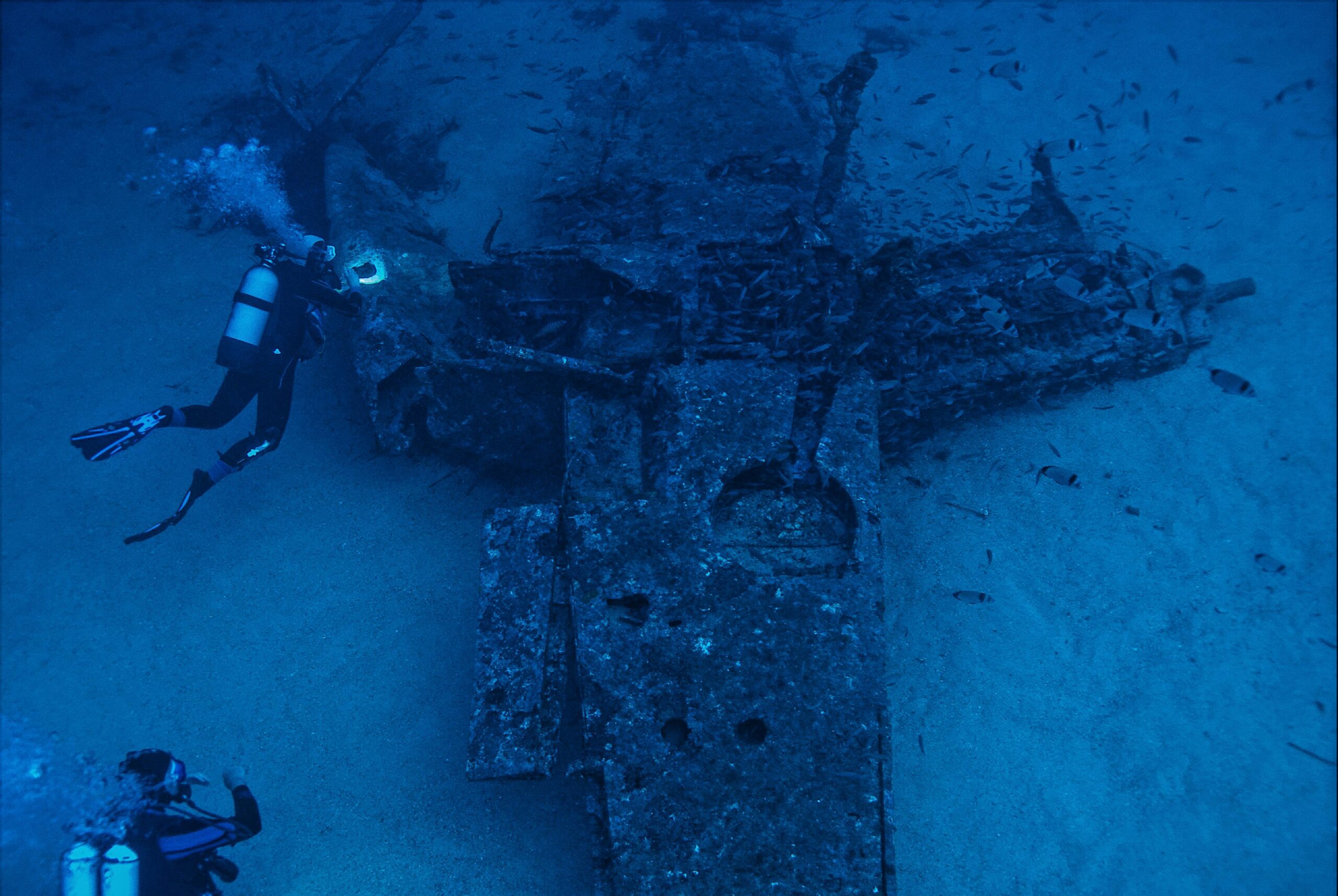
Underwater environments lacking oxygen create unique preservation conditions for organic materials. Shipwrecks in the Black Sea, Scandinavian lakes, and other oxygen-depleted waters have yielded remarkably intact wooden structures, ropes, fabrics, and even food stores that would normally decompose within years.
The absence of oxygen prevents aerobic bacteria from functioning, dramatically slowing decomposition. Combined with cold temperatures and sometimes high salinity, these environments preserve archaeological materials with exceptional fidelity. Entire Viking ships, Roman merchant vessels, and Bronze Age boats have been recovered in states of preservation that allow detailed study of ancient maritime technology and trade networks.
The Mary Rose and Tudor England
King Henry VIII’s flagship, the Mary Rose, sank in 1545 and rested in Solent sediments for over 400 years. When raised in 1982, the ship’s preservation astonished researchers. Thousands of artifacts—from musical instruments to medical equipment, personal belongings to ship’s stores—provided an unparalleled snapshot of Tudor naval life. The anoxic conditions preserved wooden structures, leather items, and even organic residues that revealed details about 16th-century diet and health.
🔬 Modern Applications of Preservation Research
Studying naturally preserved organic materials isn’t merely an exercise in satisfying curiosity about the past. These investigations drive advances in multiple fields, from medicine to materials science. Understanding how certain organisms resist decay for millennia informs development of better preservation techniques for everything from vaccines to donor organs.
Researchers studying bog body preservation have identified antimicrobial compounds in sphagnum moss with potential pharmaceutical applications. Analysis of ancient DNA from preserved specimens helps scientists track pathogen evolution, understand how diseases have shaped human populations, and potentially predict future epidemic patterns.
Climate Science and Ancient Preservation
Preserved organic materials serve as crucial data sources for climate scientists reconstructing past environmental conditions. Tree rings in preserved wood, pollen in peat deposits, and isotope ratios in preserved tissues all provide information about historical temperature ranges, precipitation patterns, and atmospheric composition. This data helps refine climate models and understand natural variability patterns over millennia.
As climate change accelerates permafrost thawing, previously frozen organic materials are emerging at unprecedented rates. While this creates opportunities for new discoveries, it also threatens to destroy irreplaceable specimens before they can be studied. Researchers race against time to document and preserve these emerging finds before they succumb to decomposition after millennia of frozen stability.
🧬 The Future of Preservation Studies
Advancing analytical technologies continually reveal new information from preserved materials. Non-invasive imaging techniques allow researchers to examine specimens without damaging them. Increasingly sophisticated DNA sequencing methods extract genetic information from ever-smaller and more degraded samples. Isotope analysis provides information about diet, migration, and environmental conditions with remarkable precision.
Artificial intelligence and machine learning now help researchers identify patterns in preservation conditions, predict likely locations for future discoveries, and analyze complex datasets from multidisciplinary studies. These tools accelerate understanding of how preservation occurs and what information these natural time capsules can reveal about Earth’s biological and environmental history.
🌍 Preserving the Preservers: Conservation Challenges
Ironically, many spectacularly preserved organic specimens face serious threats once removed from their preservation environments. Exposure to oxygen, fluctuating temperatures, and humidity can rapidly degrade materials that survived millennia underground, underwater, or frozen. Conservation specialists employ sophisticated techniques to stabilize these materials, from freeze-drying to chemical treatments that replace water in cellular structures with preservative compounds.
Museums and research institutions invest heavily in climate-controlled storage facilities, specialized display cases, and ongoing monitoring to ensure these irreplaceable specimens survive for future generations to study. The challenges are substantial—many bog bodies, for instance, began deteriorating shortly after excavation until conservation protocols were developed and implemented.
💡 Lessons from Nature’s Archives
Exceptionally preserved organic materials fundamentally change how we understand the past. They transform abstract historical periods into tangible reality, putting faces on ancient peoples and revealing intimate details about how they lived, what they ate, what they wore, and sometimes how they died. These discoveries remind us that the past wasn’t merely a prelude to the present but consisted of complex, fully realized lives as vivid as our own.
The continued study of naturally preserved materials promises ongoing revelations about evolution, ecology, human history, and environmental change. Each discovery potentially rewrites portions of established narratives, challenges assumptions, and opens new research questions. As technology advances and new specimens emerge from melting ice, eroding cliffs, and archaeological excavations, nature’s time capsules will continue offering extraordinary insights into the deep past.
These remarkable preservation cases demonstrate nature’s capacity to create conditions where decay pauses, time freezes, and the past remains accessible to those patient and curious enough to investigate. From frozen mammoths to amber-trapped insects, from bog bodies to desert mummies, these natural archives preserve not just biological specimens but connections to vanished worlds, reminding us that the boundary between past and present remains permeable under exceptional circumstances.

Toni Santos is a maritime researcher and underwater archaeologist specializing in the study of submerged heritage, ancient port systems, and the cultural landscapes preserved beneath the sea. Through an interdisciplinary and immersive approach, Toni investigates how humanity has left traces of knowledge, commerce, and legend in the underwater world — across oceans, myths, and sunken cities.
His work is grounded in a fascination with wrecks not only as artifacts, but as carriers of hidden meaning. From historic shipwreck discoveries to mythical harbors and lost coastal settlements, Toni uncovers the physical and cultural evidence through which civilizations preserved their relationship with the maritime unknown.
With a background in marine archaeology and underwater survey methods, Toni blends technical analysis with archival research to reveal how oceans were used to shape identity, transmit memory, and encode sacred knowledge.
As the creative mind behind revaltro, Toni curates documented dive studies, speculative harbor maps, and archaeological interpretations that revive the deep cultural ties between water, folklore, and forgotten science.
His work is a tribute to:
The submerged heritage of Historic Shipwrecks and Their Cargoes
The legendary sites of Mythical Harbors and Lost Civilizations
The technical methods of Underwater Exploration Techniques
The natural archiving power of Preservation in Salt and Sediment
Whether you’re a maritime historian, nautical researcher, or curious explorer of forgotten submerged worlds, Toni invites you to explore the hidden depths of oceanic heritage — one wreck, one harbor, one legend at a time.