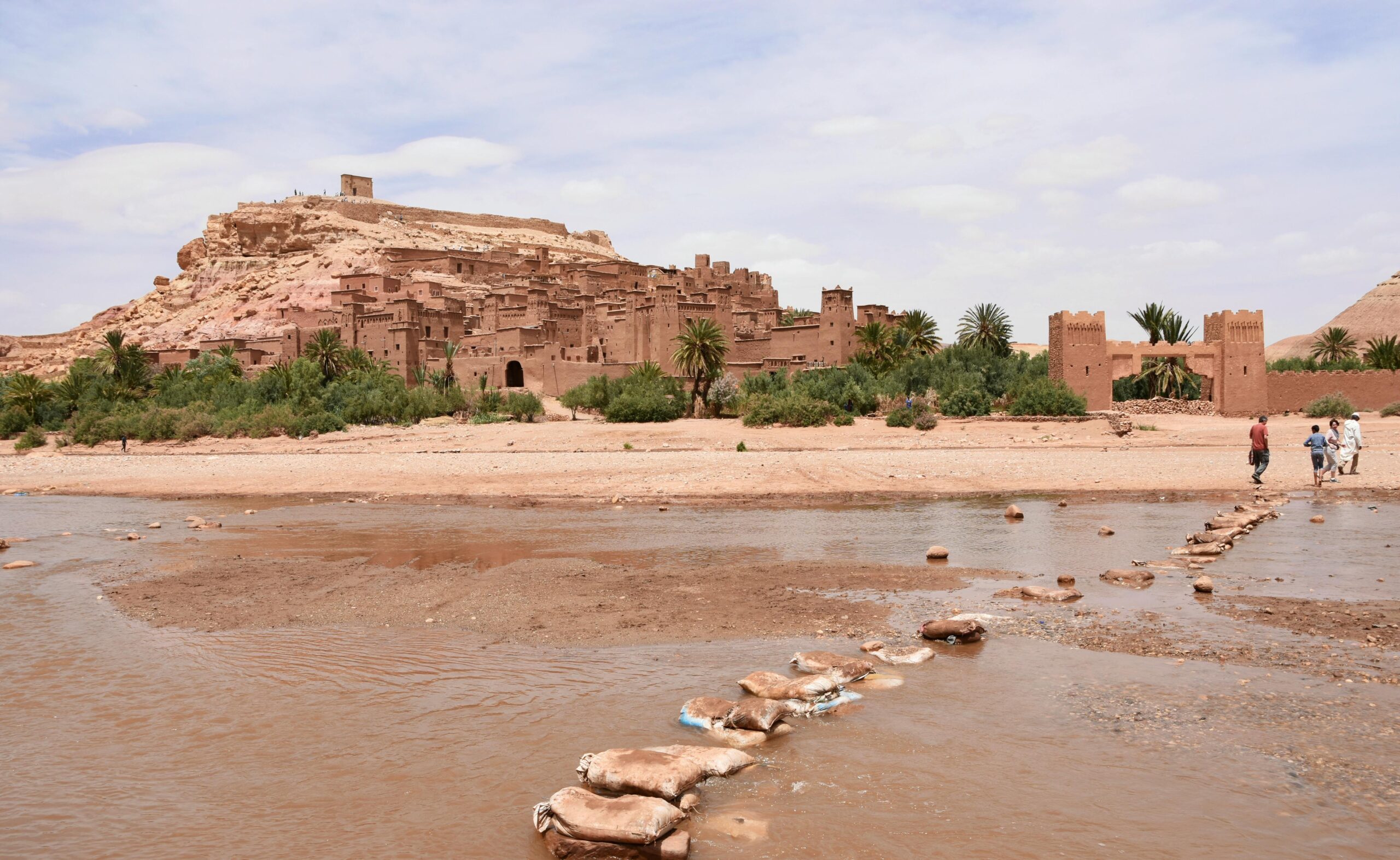
Throughout human history, sacred objects have served as powerful bridges between the earthly and divine realms, carrying profound spiritual significance across cultures and centuries.
🕯️ The Enduring Power of Sacred Objects in Human Civilization
Religious artifacts and ritual objects represent far more than mere material possessions. They embody the deepest aspirations, beliefs, and spiritual practices of humanity across millennia. From the ornate reliquaries of medieval Christianity to the prayer wheels of Tibetan Buddhism, these treasured items connect believers to traditions that transcend time itself.
The study of sacred treasures offers invaluable insights into how different cultures perceive the divine, organize their spiritual practices, and preserve their most cherished traditions. These objects serve as tangible expressions of intangible faith, transforming abstract theological concepts into physical forms that can be venerated, studied, and passed down through generations.
Understanding religious artifacts requires us to look beyond their aesthetic or historical value. Each object tells a story of devotion, craftsmanship, and spiritual aspiration that continues to resonate with believers and scholars alike.
Ancient Artifacts That Changed Religious History
The archaeological record reveals countless examples of religious objects that have shaped the course of spiritual development. The Dead Sea Scrolls, discovered in the Qumran Caves between 1947 and 1956, revolutionized our understanding of early Judaism and Christianity. These ancient manuscripts, preserved for over two thousand years, contain biblical texts and religious writings that illuminate the spiritual landscape of the Second Temple period.
Similarly, the Shroud of Turin remains one of Christianity’s most debated relics. Whether authentic or not, this linen cloth bearing the image of a crucified man has inspired countless pilgrims and sparked intense scientific investigation. Its very existence demonstrates how a single object can become a focal point for faith, controversy, and ongoing scholarly debate.
In the Buddhist tradition, the tooth relics of the Buddha scattered across Asia represent physical connections to the enlightened teacher himself. The Temple of the Tooth in Kandy, Sri Lanka, houses what believers consider an actual canine tooth of Gautama Buddha, making it one of the most sacred pilgrimage sites in the Buddhist world.
The Ark of the Covenant: History’s Most Mysterious Sacred Object
Perhaps no religious artifact captures the imagination quite like the Ark of the Covenant. According to biblical accounts, this gold-covered wooden chest contained the stone tablets of the Ten Commandments, making it the most sacred object in ancient Israelite religion. The Ark’s disappearance remains one of history’s greatest unsolved mysteries, spawning countless theories and expeditions seeking its rediscovery.
The Ark represents the ultimate intersection of religious significance and historical mystery. Its construction, described in meticulous detail in the Book of Exodus, involved specific materials and dimensions that scholars continue to analyze. The object wasn’t merely a container but was believed to represent God’s throne on Earth, with the cherubim figures on its cover forming the seat of divine presence.
Ritual Objects in Daily Spiritual Practice
Beyond monumental artifacts preserved in museums and temples, countless smaller ritual objects play essential roles in daily religious observance. These items bridge the gap between extraordinary sacred moments and ordinary life, sanctifying everyday existence through their use.
In Hinduism, the puja thali (worship plate) contains multiple items used in daily devotional practices: incense, flowers, bells, lamps, and offerings of food or water. Each element carries symbolic meaning, and their combined use creates a multisensory worship experience that engages sight, smell, sound, and touch. This demonstrates how ritual objects work together to create comprehensive spiritual experiences.
Islamic prayer beads, or misbaha, help believers maintain focus during dhikr (remembrance of God). Typically containing 33, 99, or 100 beads, these simple objects facilitate meditation and repetitive prayer, transforming a physical action into a spiritual practice. The tactile engagement with the beads helps anchor the mind during devotional exercises.
The Sacred Geometry of Ritual Design
Many religious objects incorporate sacred geometry and symbolic numbers into their design. The Jewish menorah features seven branches representing the seven days of creation. Christian chalices often display specific proportions based on mathematical ratios considered spiritually significant. Buddhist mandalas employ intricate geometric patterns representing the cosmos and the path to enlightenment.
This integration of mathematics and spirituality reflects ancient beliefs that certain proportions and patterns resonate with fundamental cosmic principles. The golden ratio, pentagonal symmetry, and other mathematical relationships appear repeatedly in sacred architecture and ritual objects across cultures, suggesting universal intuitions about harmonious design.
✨ Materials Matter: The Symbolic Significance of Sacred Substances
The materials used to create religious artifacts carry their own layers of meaning. Gold appears frequently in sacred objects across cultures, representing incorruptibility, divine light, and eternal value. Its resistance to tarnish made it an ideal material for objects intended to last through generations and symbolize unchanging spiritual truths.
Incense, used in religious ceremonies from Catholic masses to Buddhist rituals, creates aromatic clouds that symbolize prayers ascending to heaven. Different resins and woods produce distinct fragrances associated with specific spiritual qualities. Frankincense and myrrh, famously presented to the infant Jesus, were prized not only for their rarity but for their sacred associations in ancient temple worship.
Water serves as a universal ritual substance, appearing in baptismal fonts, ritual baths, and purification ceremonies across religions. Its physical properties—transparency, fluidity, life-sustaining necessity—make it an ideal symbol for spiritual cleansing and renewal. The Ganges River in India embodies this principle, with its waters considered inherently sacred and purifying.
Textiles and Sacred Vestments
Religious garments and textiles represent another category of significant ritual objects. The elaborate vestments worn by Catholic priests during Mass, each with specific names and symbolic meanings, transform the wearer into a representative of divine authority. The cope, chasuble, stole, and other garments create a visual hierarchy that reinforces theological concepts about mediation between human and divine.
In Tibetan Buddhism, thangka paintings on silk or cotton serve as meditation aids and teaching tools. These portable devotional images allow sacred imagery to travel with practitioners and create temporary sacred spaces wherever they’re displayed. The creation of thangkas follows strict iconographic rules, ensuring that every detail communicates precise spiritual meanings.
Preservation Challenges and Conservation Ethics
Maintaining sacred objects presents unique challenges that intersect religion, science, and ethics. Many artifacts face deterioration from age, environmental conditions, or handling by countless devotees. Conservators must balance preservation with continued religious use, a tension that can create complex dilemmas.
The Turin Shroud, for example, has undergone various conservation efforts while remaining an active object of veneration. Scientists seeking to study and preserve it must negotiate with religious authorities for whom the shroud’s spiritual significance outweighs scientific concerns. This balancing act typifies the challenges facing those who care for actively venerated objects.
Climate control, proper storage, and limited handling help preserve ancient artifacts, but these measures may conflict with traditional religious practices requiring regular interaction with sacred objects. Some communities have adopted solutions like creating replica objects for regular use while preserving originals, though this raises questions about where sanctity resides—in the physical object or in its symbolic meaning.
Repatriation and Cultural Heritage
The ownership and display of sacred objects remains contentious, particularly when artifacts reside in museums far from their communities of origin. Indigenous groups worldwide have sought the return of ceremonial objects taken during colonial periods, arguing that these items retain spiritual power and belong within their traditional contexts.
The Native American Graves Protection and Repatriation Act (NAGPRA) in the United States represents one legislative response to these concerns, requiring federally funded institutions to return certain cultural items to lineal descendants and culturally affiliated tribes. Similar efforts globally recognize that sacred objects aren’t merely historical curiosities but living elements of ongoing religious traditions.
🔮 Divination Tools and Prophetic Objects
Throughout history, humans have created objects specifically designed to communicate with supernatural forces or discern future events. Tarot cards, though now associated primarily with fortune-telling, originated as a card game before acquiring mystical significance in the 18th century. Their elaborate symbolism draws from multiple esoteric traditions, creating a complex system of interpretation.
The Urim and Thummim mentioned in Hebrew scriptures served as divination tools for ancient Israelite priests, though their exact nature remains mysterious. Scholars debate whether they were stones, sticks, or some other objects used to determine God’s will in important decisions. Their biblical prominence demonstrates how divination objects once occupied central roles in organized religion.
Chinese oracle bones represent one of the earliest known divination systems. Dating to the Shang Dynasty (1600-1046 BCE), these animal bones and turtle shells were heated until they cracked, with diviners interpreting the patterns to answer questions about everything from agricultural planning to military campaigns. Inscriptions on these bones also provide the earliest examples of Chinese writing, linking religious practice directly to the development of literacy.
Modern Sacred Objects in Contemporary Practice
New religious movements and contemporary spiritual practices continue creating meaningful ritual objects. The popularity of crystal healing in New Age spirituality has transformed certain minerals into sacred items imbued with supposed healing or energetic properties. While dismissed by mainstream science, these objects serve genuine spiritual functions for their users, demonstrating how sacred object creation remains an ongoing process.
Technology has also entered the realm of religious practice, with digital prayer beads, meditation apps, and online religious communities creating virtual sacred spaces and objects. While traditionalists may question whether digital tools can truly carry sacred significance, younger practitioners increasingly integrate technology into their spiritual lives without perceiving contradiction.
Environmental consciousness has inspired some communities to reconsider their ritual objects, seeking sustainable materials and production methods that align with spiritual values of stewardship and care for creation. This demonstrates how sacred object traditions adapt to contemporary concerns while maintaining their essential functions.
Personal Sacred Objects and Individual Spirituality
Beyond institutional religious artifacts, individuals create and maintain personal sacred objects that carry private spiritual significance. A grandmother’s rosary, a rock collected from a meaningful location, or a handwritten prayer can become profoundly sacred through personal association and use. These humble objects remind us that sacredness doesn’t require antiquity, precious materials, or official sanction.
The practice of creating personal altars or sacred spaces in homes has grown increasingly popular across religious and spiritual traditions. These spaces typically combine traditional religious items with personally meaningful objects, creating unique expressions of individual spirituality that honor both tradition and personal experience.
The Psychology and Neuroscience of Sacred Objects
Modern science has begun examining how humans interact with sacred objects, revealing fascinating insights into the psychology of religious experience. Neurological studies show that viewing sacred objects can activate specific brain regions associated with reward, emotion, and social bonding, suggesting neurological bases for the powerful feelings these items evoke.
The concept of “magical thinking” in developmental psychology helps explain how humans attribute special properties to certain objects. Children naturally develop the ability to invest objects with meaning beyond their physical properties, a capacity that continues into adulthood and underlies our relationships with sacred items.
Research on attachment theory suggests that sacred objects may function similarly to transitional objects in childhood, providing comfort and connection to something greater than ourselves. This psychological perspective doesn’t diminish religious significance but rather illuminates the human mechanisms through which sacred objects operate.
💫 Craftsmanship as Spiritual Practice
The creation of sacred objects often constitutes a spiritual practice itself, with craftspeople approaching their work as devotional service. Medieval icon painters fasted and prayed while creating religious images, understanding their craft as participation in divine creativity. This sanctification of the creative process infuses finished objects with additional layers of spiritual significance.
Japanese sword-making traditions exemplify this principle, with master smiths conducting purification rituals and maintaining spiritual discipline throughout the forging process. The resulting katana represents not merely a weapon but a spiritual accomplishment, embodying the maker’s character and dedication.
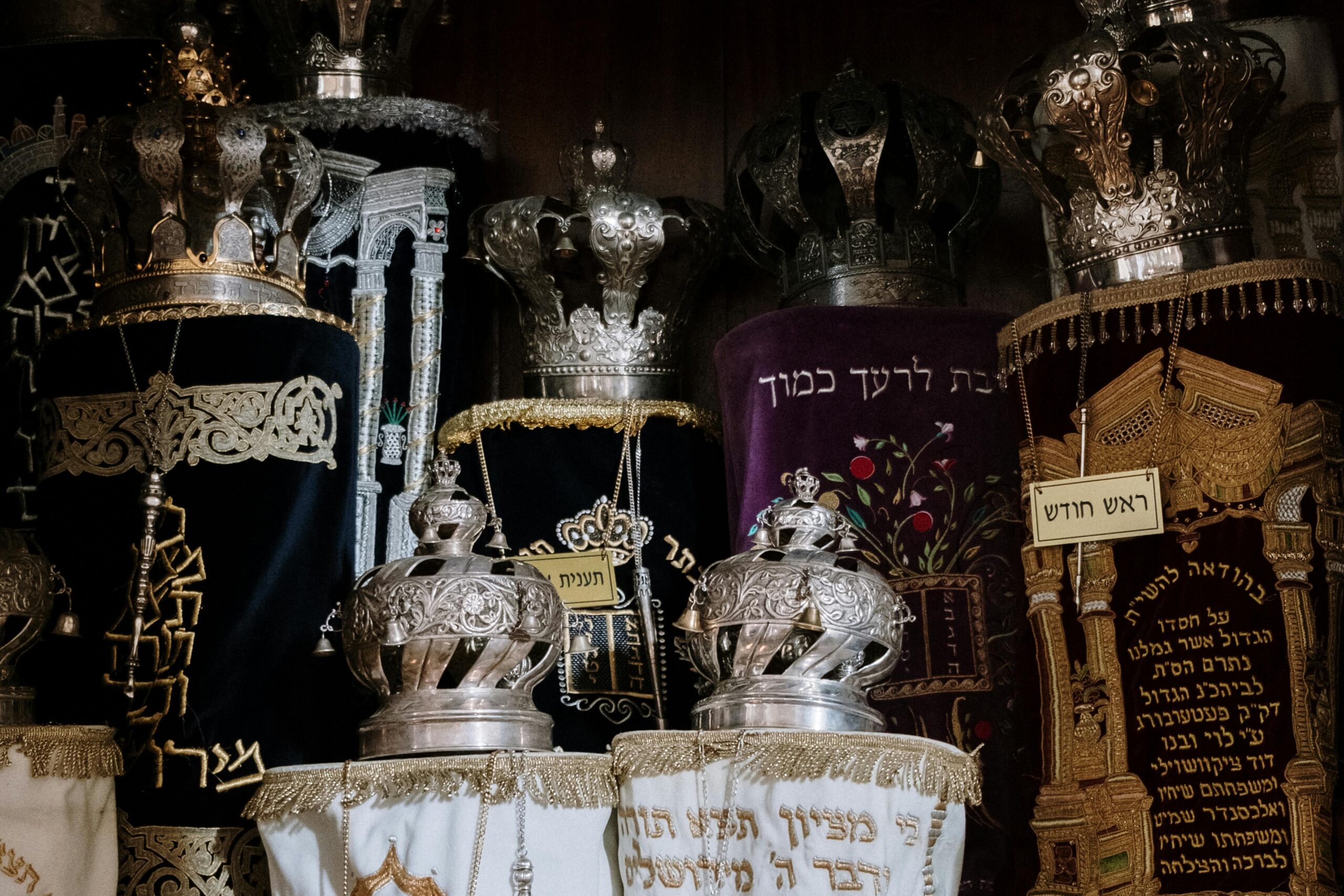
Contemporary makers of religious objects continue these traditions, whether Jewish scribes meticulously writing Torah scrolls according to ancient specifications or Catholic nuns sewing vestments while maintaining prayer routines. This integration of craft and spirituality ensures that sacred objects carry the spiritual energy of their makers.
Unlocking Deeper Understanding Through Sacred Treasures
The study of religious artifacts and ritual objects offers pathways to profound understanding of human spirituality, cultural development, and artistic achievement. These items transcend their physical forms to communicate across centuries and cultures, speaking to fundamental human needs for meaning, connection, and transcendence.
Whether ancient relics preserved in museums or simple objects used in daily devotion, sacred treasures remind us that spirituality finds expression in tangible forms. They demonstrate how humans have always sought to materialize the immaterial, creating bridges between physical and spiritual realms through craftsmanship, symbolism, and devotion.
As we continue exploring these timeless traditions and mysterious artifacts, we discover not only historical curiosities but living connections to humanity’s enduring spiritual quest. Each object invites us to consider what we hold sacred, how we express devotion, and what legacies we wish to preserve for future generations seeking their own connections to the divine.
The mysteries of sacred objects ultimately reflect the mystery of human consciousness itself—our unique capacity to invest meaning in physical forms and create beauty in service of the transcendent. In understanding these treasures, we better understand ourselves and the spiritual dimensions that have shaped human civilization throughout history and continue to influence our contemporary world.

Toni Santos is a maritime researcher and underwater archaeologist specializing in the study of submerged heritage, ancient port systems, and the cultural landscapes preserved beneath the sea. Through an interdisciplinary and immersive approach, Toni investigates how humanity has left traces of knowledge, commerce, and legend in the underwater world — across oceans, myths, and sunken cities.
His work is grounded in a fascination with wrecks not only as artifacts, but as carriers of hidden meaning. From historic shipwreck discoveries to mythical harbors and lost coastal settlements, Toni uncovers the physical and cultural evidence through which civilizations preserved their relationship with the maritime unknown.
With a background in marine archaeology and underwater survey methods, Toni blends technical analysis with archival research to reveal how oceans were used to shape identity, transmit memory, and encode sacred knowledge.
As the creative mind behind revaltro, Toni curates documented dive studies, speculative harbor maps, and archaeological interpretations that revive the deep cultural ties between water, folklore, and forgotten science.
His work is a tribute to:
The submerged heritage of Historic Shipwrecks and Their Cargoes
The legendary sites of Mythical Harbors and Lost Civilizations
The technical methods of Underwater Exploration Techniques
The natural archiving power of Preservation in Salt and Sediment
Whether you’re a maritime historian, nautical researcher, or curious explorer of forgotten submerged worlds, Toni invites you to explore the hidden depths of oceanic heritage — one wreck, one harbor, one legend at a time.