Museums worldwide face the crucial challenge of protecting invaluable artifacts while presenting them in ways that captivate and educate modern audiences.
The intersection of preservation science and exhibition design has evolved dramatically over the past decades, transforming how cultural institutions approach the delicate balance between conservation and public engagement. As technology advances and our understanding of material degradation deepens, museums are adopting innovative solutions that safeguard our collective heritage for future generations while creating immersive experiences that bring history to life.
The responsibility of preserving cultural artifacts extends far beyond simply storing objects in climate-controlled rooms. It requires a comprehensive approach that considers environmental factors, handling protocols, security measures, and the educational mission that drives museums to share these treasures with the world. This article explores the cutting-edge methods and creative approaches that modern museums employ to honor the past while embracing the future.
🏛️ The Science Behind Artifact Preservation
Understanding the enemies of preservation forms the foundation of effective artifact storage. Light exposure, particularly ultraviolet radiation, causes irreversible damage to textiles, paintings, photographs, and organic materials. Temperature fluctuations accelerate chemical reactions that break down molecular structures, while humidity variations promote mold growth, metal corrosion, and dimensional changes in wood and fabric.
Modern conservation science has identified optimal environmental parameters for different material types. Textile collections typically require temperatures between 65-70°F with relative humidity maintained at 45-55%. Photographic materials demand even stricter conditions, often necessitating cold storage facilities that can extend their lifespan by centuries. Metal artifacts require low humidity environments to prevent oxidation, while organic materials like leather and parchment need carefully balanced moisture levels to prevent brittleness or deterioration.
Museums invest heavily in environmental monitoring systems that track these parameters continuously. Advanced sensors placed throughout storage areas and exhibition halls transmit real-time data to conservators, who can respond immediately to any deviations that might threaten collection integrity. These systems represent a significant advancement from the periodic manual checks that characterized museum operations just decades ago.
Material-Specific Storage Requirements
Different artifact categories demand specialized storage solutions tailored to their unique vulnerabilities. Paper-based collections, including manuscripts, prints, and drawings, benefit from acid-free folders housed in custom-fitted boxes that prevent physical stress and exposure to pollutants. Museums often store these items horizontally in flat files that eliminate creasing and folding damage.
Three-dimensional objects present distinct challenges. Ceramic and glass artifacts require padded supports that distribute weight evenly and prevent pressure points that could cause cracking. Museums fabricate custom mounts using inert materials like polyethylene foam and acid-free tissue, ensuring that storage systems themselves don’t introduce harmful chemicals into the preservation environment.
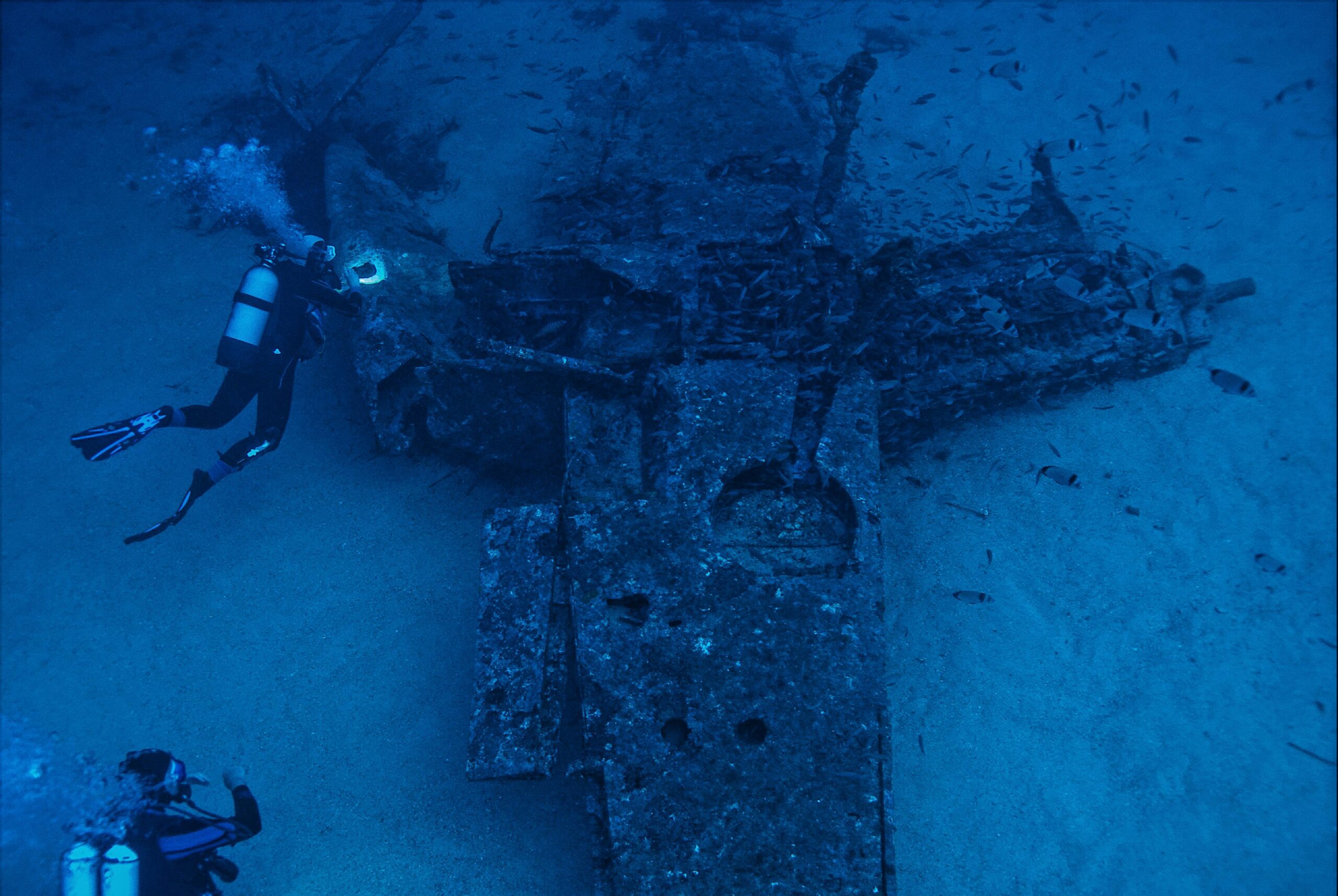
Archaeological metals, particularly those recovered from marine environments, often contain salt residues that continue damaging the material long after excavation. Conservation laboratories employ specialized desalination processes and controlled drying protocols before transitioning these artifacts to long-term storage in ultra-low humidity environments, sometimes as low as 15% relative humidity.
Revolutionary Storage Technologies Transforming Museum Practice
The evolution of storage technology has revolutionized how museums maximize space while maintaining optimal preservation conditions. High-density mobile shelving systems allow institutions to dramatically increase storage capacity within existing footprints. These systems feature motorized carriages that move along tracks, creating aisles only when needed and maintaining compact storage configurations the rest of the time.
Climate-controlled storage pods represent another innovation gaining traction in major institutions. These self-contained units maintain precise environmental parameters independent of surrounding conditions, offering flexibility for museums operating in historic buildings where whole-room climate control proves challenging or prohibitively expensive. Individual pods can be calibrated to specific requirements, allowing diverse collections to coexist within the same facility.
Modular storage systems built with aluminum and stainless steel provide chemical stability while supporting flexible configuration. Museums can adapt these systems as collections grow and priorities shift, avoiding the waste and expense of completely replacing storage infrastructure. The powder-coated surfaces resist corrosion and don’t emit harmful volatiles that threaten sensitive materials.
Digital Documentation and Virtual Storage
While physical preservation remains paramount, digital documentation has become an essential component of comprehensive artifact stewardship. High-resolution photography, 3D scanning, and photogrammetry create detailed digital surrogates that serve multiple purposes. These records provide invaluable references for conservators monitoring condition over time, enable researchers to study objects without physical handling, and offer backup documentation should catastrophe strike.
Museums are building sophisticated digital asset management systems that link physical objects with their documentary records, provenance information, condition reports, and exhibition histories. This integration enhances collection accessibility while supporting informed decision-making about loans, displays, and conservation priorities.
Emerging technologies like reflectance transformation imaging (RTI) capture surface details invisible to conventional photography, revealing inscriptions, manufacturing techniques, and previous restoration efforts. These imaging methods contribute significantly to scholarship while minimizing physical interaction with fragile artifacts.
Creating Stunning Displays Without Compromising Conservation 💎
The exhibition space presents museums with their greatest challenge: making artifacts accessible and engaging while maintaining preservation standards. Modern display technology offers unprecedented options for achieving this balance through innovative case design, specialized lighting, and environmental control systems integrated seamlessly into gallery architecture.
Museum-grade display cases now feature multiple layers of protection. Low-emissivity glass filters harmful ultraviolet radiation while maintaining exceptional clarity. Gasket systems create sealed environments that buffer against external humidity fluctuations and exclude pollutants. Some advanced cases incorporate active climate control, maintaining microclimates tailored to specific objects regardless of gallery conditions.
Lighting design has evolved dramatically with LED technology, which produces minimal heat and ultraviolet radiation compared to traditional sources. Museums can now illuminate artifacts safely while achieving dramatic visual effects. Programmable systems adjust light levels and color temperatures throughout the day, reducing cumulative exposure while enhancing visitor experience through dynamic presentation.
Interactive Elements That Respect Artifacts
Contemporary museums increasingly incorporate interactive technologies that deepen engagement without risking original objects. Touchscreen displays adjacent to cases provide detailed information, high-resolution imagery, and contextual materials. Visitors can zoom in on minute details, explore related objects from storage, and access scholarly research without curators needing to compromise preservation standards.
Augmented reality applications overlay digital information onto physical gallery spaces, revealing hidden aspects of artifacts and reconstructing fragmentary objects virtually. These technologies allow visitors to experience artifacts in ways impossible through traditional display alone, seeing ancient pottery as it appeared when new or understanding how fragmentary sculptures originally fit together.
Projection mapping transforms gallery architecture into immersive storytelling environments without altering historic buildings or requiring physical installations that might damage walls. Museums can project contextual imagery around artifacts, creating atmospheric presentations that transport visitors to different times and places while the actual objects remain safely behind glass.
Innovative Exhibition Approaches Reshaping Museum Experiences
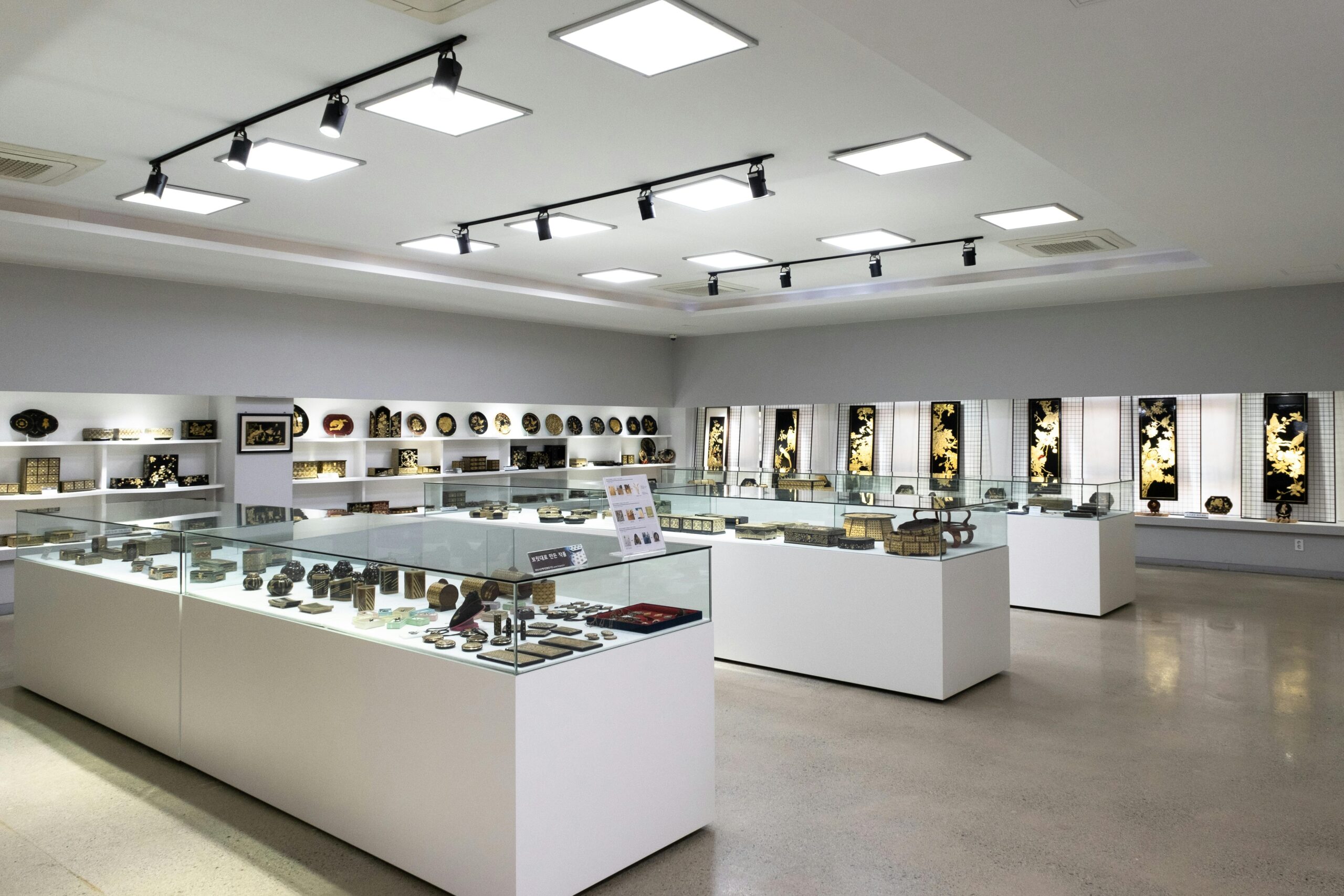
Forward-thinking institutions are reimagining exhibition design to balance preservation, accessibility, and engagement. Open storage galleries allow visitors to view extensive collections in compact arrangements, with strategic lighting and signage creating structured experiences within high-density displays. This approach satisfies public desire for transparency while acknowledging that not every object merits traditional exhibition treatment.
Rotating display schedules protect light-sensitive materials while keeping galleries fresh. Museums might display works on paper for six-week periods followed by resting periods in dark storage, allowing institutions to showcase more of their collections over time without exceeding safe exposure thresholds. Digital displays can show previous rotations, helping visitors understand the full scope of holdings.
Temporary exhibition galleries designed with maximum flexibility accommodate diverse artifacts and presentation approaches. Modular wall systems, adjustable lighting tracks, and portable climate-controlled cases allow museums to create completely different environments for each exhibition without costly renovations. This flexibility proves particularly valuable for institutions hosting traveling exhibitions with varying requirements.
Sustainable Practices in Museum Operations
Environmental responsibility increasingly influences museum design and operations. Institutions are discovering that sustainability and preservation often align beautifully. Natural ventilation strategies, when carefully engineered, can maintain stable conditions while reducing energy consumption. Thermal mass in building materials buffers temperature fluctuations, decreasing reliance on mechanical systems.
Museums are reevaluating traditional environmental standards, recognizing that some collections tolerate wider parameter ranges than previously believed. This flexibility allows institutions to relax climate control targets slightly, achieving significant energy savings without compromising long-term preservation. Research supporting these adjusted standards continues growing, giving museum professionals confidence in sustainable approaches.
Green building certifications now accommodate museum-specific requirements, acknowledging that collection preservation demands differ from typical commercial buildings. Organizations like the American Alliance of Museums provide guidance on balancing environmental sustainability with stewardship responsibilities, helping institutions make informed decisions about facility operations.
🔐 Security Integration in Storage and Display Systems
Protecting artifacts from theft and vandalism requires sophisticated security measures integrated thoughtfully into storage and exhibition design. Modern museums layer multiple security systems, creating redundant protections without creating fortress-like atmospheres that alienate visitors.
Display case security has advanced significantly beyond simple locks. Vibration sensors detect tampering attempts, while discrete cameras monitor activity around valuable objects. Some cases feature alarmed glass that triggers immediately if broken, and reinforced mounting systems prevent quick removal even if cases are breached.
Storage areas employ access control systems that log every entry, creating audit trails that enhance accountability. Biometric readers ensure that only authorized personnel access sensitive areas, while motion sensors and cameras provide continuous monitoring. These systems integrate with building-wide security networks, allowing security staff to respond rapidly to any incidents.
Emergency Preparedness and Disaster Response
Comprehensive preservation strategies must account for catastrophic events. Museums develop detailed emergency plans identifying priority artifacts for salvage and establishing protocols for rapid response. Regular drills ensure staff can execute evacuation procedures efficiently when disasters strike.
Fire suppression systems designed specifically for museums use gaseous agents that extinguish flames without water damage or chemical residues harmful to artifacts. These systems activate rapidly while allowing personnel time to evacuate safely. Storage areas often feature enhanced fire barriers and isolated systems preventing cascading failures.
Flood risk assessment drives decisions about artifact placement within facilities, with most vulnerable and valuable objects stored at higher levels. Water detection systems placed strategically throughout buildings trigger alarms at the first signs of leaks or flooding, enabling swift intervention before significant damage occurs.
The Human Element in Artifact Preservation ✨
Despite technological advances, skilled professionals remain central to effective preservation. Conservators bring expertise in material science, art history, and practical treatment techniques. Their judgment guides critical decisions about cleaning, stabilization, and restoration that machines cannot replicate.
Training the next generation of conservation professionals ensures continuity of specialized knowledge. Graduate programs combine scientific coursework with hands-on apprenticeships, preparing students for the complex challenges of modern museum work. Institutions invest in continuing education, keeping staff current with emerging research and evolving best practices.
Collaboration between conservators, curators, educators, and exhibition designers produces the most effective outcomes. Cross-departmental teams ensure that preservation concerns inform exhibition planning from the earliest stages, while educational goals shape how conservators prioritize projects and communicate their work to public audiences.
Looking Toward the Future of Museum Preservation
Emerging technologies promise to enhance preservation capabilities further. Nanotechnology may yield new consolidants and protective coatings that strengthen deteriorating materials at molecular levels. Artificial intelligence could analyze condition data across thousands of objects, identifying patterns and predicting conservation needs before visible deterioration occurs.
Climate change presents unprecedented challenges for institutions worldwide. Museums are developing adaptive strategies that maintain collection safety while acknowledging that environmental conditions may shift dramatically. Research into material resilience under varying conditions informs these preparations, helping institutions make evidence-based decisions about acceptable parameter ranges.
Global collaboration strengthens the entire museum field. International networks facilitate knowledge sharing, allowing smaller institutions to benefit from research conducted by major facilities. Digital platforms connect conservation professionals across continents, fostering dialogue and collective problem-solving that elevates standards universally.
The fundamental mission of museums—preserving cultural heritage while making it accessible—remains unchanged even as methods evolve. By embracing innovation while honoring traditional conservation principles, institutions successfully navigate the delicate balance between protection and presentation. The stunning displays and sophisticated storage solutions deployed by modern museums ensure that artifacts survived from past centuries will inspire and educate for centuries to come, connecting future generations with the remarkable achievements and everyday lives of those who came before us.
As we continue developing new technologies and refining preservation techniques, the commitment to safeguarding these tangible connections to human history grows stronger. Museums serve as guardians of collective memory, and through thoughtful application of innovative solutions combined with time-tested conservation wisdom, they fulfill this sacred responsibility admirably.

Toni Santos is a maritime researcher and underwater archaeologist specializing in the study of submerged heritage, ancient port systems, and the cultural landscapes preserved beneath the sea. Through an interdisciplinary and immersive approach, Toni investigates how humanity has left traces of knowledge, commerce, and legend in the underwater world — across oceans, myths, and sunken cities.
His work is grounded in a fascination with wrecks not only as artifacts, but as carriers of hidden meaning. From historic shipwreck discoveries to mythical harbors and lost coastal settlements, Toni uncovers the physical and cultural evidence through which civilizations preserved their relationship with the maritime unknown.
With a background in marine archaeology and underwater survey methods, Toni blends technical analysis with archival research to reveal how oceans were used to shape identity, transmit memory, and encode sacred knowledge.
As the creative mind behind revaltro, Toni curates documented dive studies, speculative harbor maps, and archaeological interpretations that revive the deep cultural ties between water, folklore, and forgotten science.
His work is a tribute to:
The submerged heritage of Historic Shipwrecks and Their Cargoes
The legendary sites of Mythical Harbors and Lost Civilizations
The technical methods of Underwater Exploration Techniques
The natural archiving power of Preservation in Salt and Sediment
Whether you’re a maritime historian, nautical researcher, or curious explorer of forgotten submerged worlds, Toni invites you to explore the hidden depths of oceanic heritage — one wreck, one harbor, one legend at a time.