Biofouling threatens our cultural heritage and marine ecosystems, demanding urgent attention from conservators, scientists, and policymakers worldwide to protect invaluable artifacts.
🔬 Understanding the Invisible Enemy: What Is Biofouling?
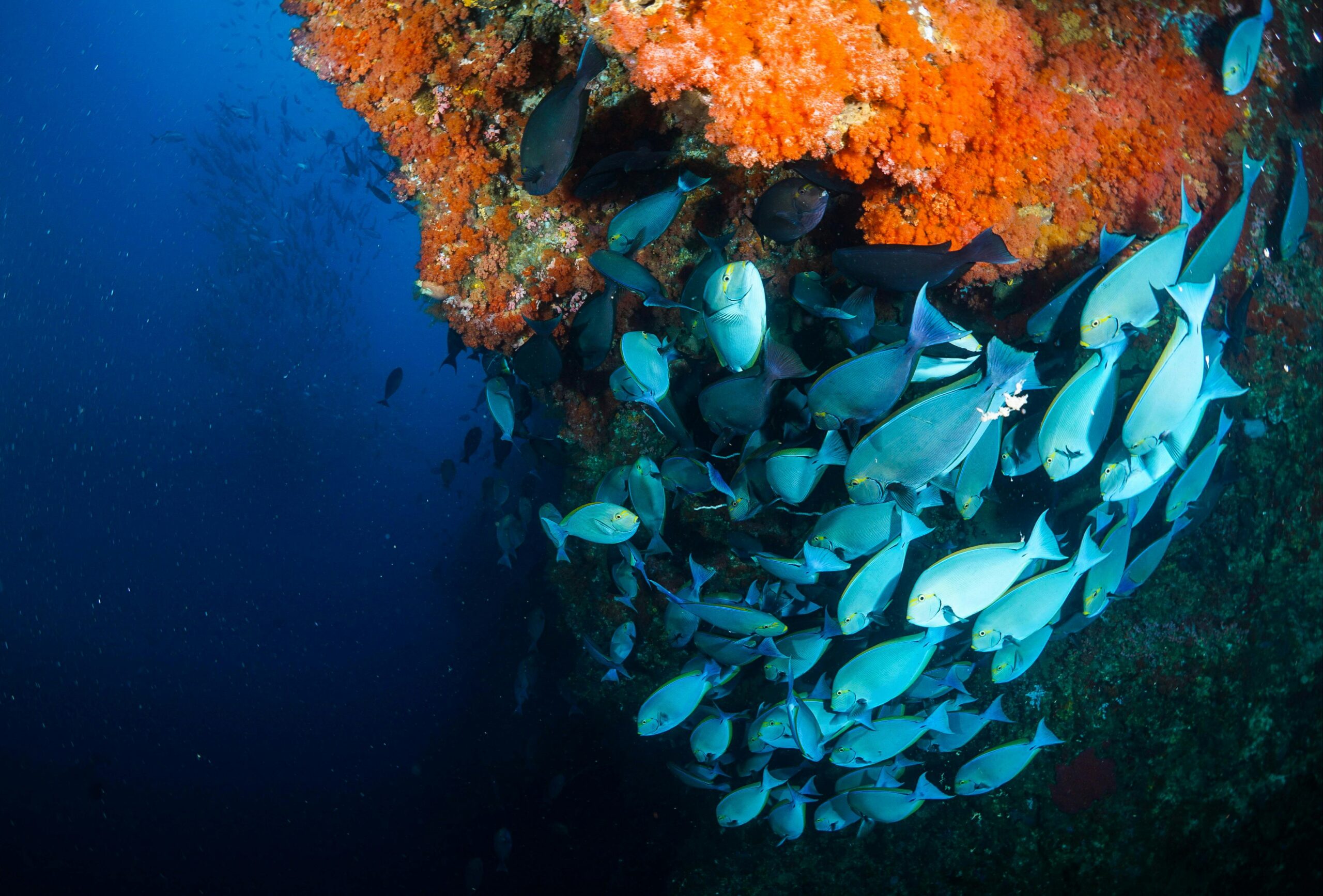
Biofouling represents one of the most persistent challenges facing both marine industries and cultural heritage preservation. This phenomenon occurs when microorganisms, algae, plants, and small animals accumulate on submerged or humid surfaces, creating complex biological layers that can cause irreversible damage to artifacts, monuments, and maritime structures.
The process begins almost immediately when any surface contacts water or maintains high humidity levels. Within hours, organic molecules form a conditioning film that attracts bacteria and diatoms. These pioneering organisms secrete adhesive substances that anchor them firmly to surfaces, creating a foundation for subsequent colonizers including algae, barnacles, mussels, and other marine invertebrates.
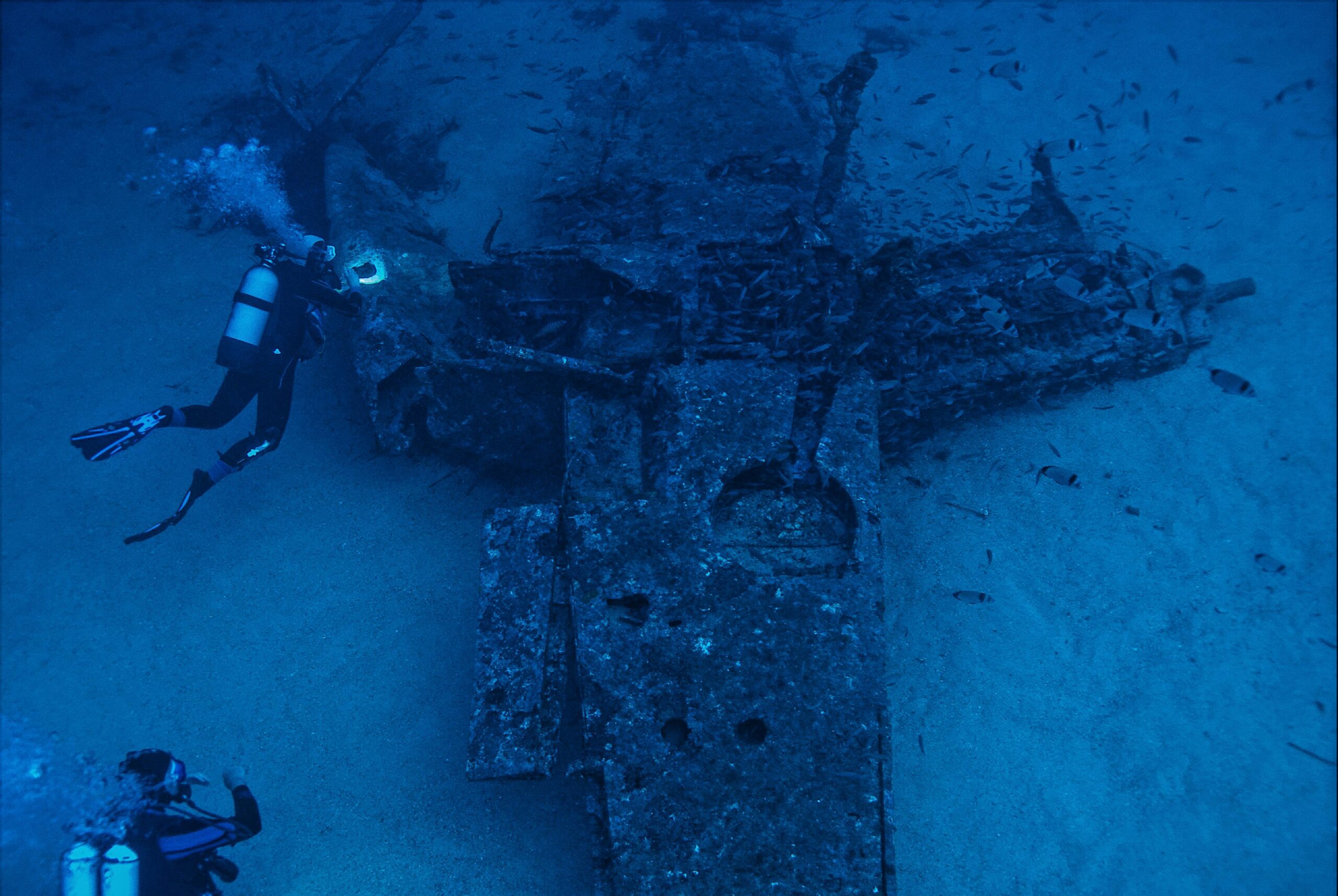
For cultural heritage sites, biofouling presents unique challenges. Ancient shipwrecks, submerged archaeological sites, coastal monuments, and even museum artifacts stored in humid conditions become vulnerable to these biological invaders. The organisms don’t simply attach themselves—they actively deteriorate materials through biochemical processes, physical penetration, and the creation of microenvironments conducive to accelerated degradation.
💎 The Precious Heritage at Stake
Throughout history, humanity has created countless masterpieces and artifacts that tell our collective story. From bronze sculptures recovered from ancient Mediterranean shipwrecks to wooden vessels that once sailed across oceans, these treasures face constant threat from biological colonization.
The UNESCO World Heritage List includes numerous sites affected by biofouling. Submerged cities like Pavlopetri in Greece, the Port Royal archaeological site in Jamaica, and countless shipwrecks containing invaluable cargo suffer ongoing damage from marine organisms. Even terrestrial sites near coastlines or in humid tropical regions experience biodeterioration that threatens their structural integrity and aesthetic value.
Consider the Mary Rose, Henry VIII’s flagship that sank in 1545 and was raised in 1982. The centuries underwater resulted in extensive biological colonization that conservators continue battling decades after recovery. The ship’s timbers hosted complex microbial communities that had fundamentally altered the wood’s chemical composition, requiring innovative preservation strategies that continue evolving today.
Material-Specific Vulnerabilities
Different materials respond uniquely to biological attack. Stone monuments develop biofilms that trap moisture and acidic metabolic byproducts, causing surface erosion and discoloration. Metals undergo microbiologically influenced corrosion (MIC), where bacterial colonies create localized electrochemical cells that dramatically accelerate deterioration rates compared to purely chemical corrosion.
Organic materials face perhaps the greatest risks. Wood, leather, textiles, and paper provide nutrients for heterotrophic organisms while also absorbing moisture that supports microbial growth. Ancient manuscripts, priceless tapestries, and wooden sculptures can be destroyed within years or even months under favorable conditions for biological growth.
🌊 The Science Behind Biodeterioration
Understanding how organisms damage cultural materials requires examining multiple biological and chemical processes working simultaneously. Biodeterioration isn’t a single mechanism but rather a complex interplay of physical, chemical, and biological factors.
Microbial metabolism produces organic acids, enzymes, and other compounds that chemically attack substrate materials. Sulfur-reducing bacteria generate hydrogen sulfide that corrodes metals and blackens pigments. Nitrifying bacteria produce nitric acid that dissolves calcareous stones. Fungi secrete cellulases and ligninases that break down wood fibers.
Physical damage occurs as organisms penetrate material surfaces. Fungal hyphae grow into microscopic cracks and pores, expanding as they develop and literally wedging materials apart. Barnacles and other encrusting organisms attach so firmly that their removal damages underlying surfaces. Plant roots, even microscopic ones, exert surprising force as they grow, causing structural fractures.
Environmental Factors Accelerating Growth
Biofouling severity depends heavily on environmental conditions. Temperature, humidity, light, nutrient availability, and water chemistry all influence which organisms colonize surfaces and how quickly deterioration proceeds.
Warm temperatures generally accelerate biological activity, with most organisms thriving between 20-35°C. However, some psychrophilic bacteria remain active near freezing, meaning even cold-water shipwrecks aren’t immune. Humidity above 65% typically permits fungal growth on organic materials, while marine environments maintain constant moisture exposure.
Nutrient availability determines carrying capacity for biological communities. Polluted waters with high nitrogen and phosphorus concentrations support denser fouling communities. Ironically, well-intentioned cleaning efforts sometimes introduce nutrients that stimulate renewed biological growth more vigorous than before intervention.
🛡️ Prevention Strategies: The First Line of Defense
Preventing biofouling proves far more effective and less damaging than removing established communities. Conservation philosophy emphasizes minimal intervention, making prevention especially valuable for preserving artifact integrity.
Environmental control represents the most fundamental prevention strategy. Museums and archives maintain temperature and humidity within narrow ranges that inhibit microbial growth while preserving material stability. Typically, 18-22°C and 45-55% relative humidity provide optimal conditions for most artifact types while minimizing biological risk.
For submerged sites, prevention options are more limited but increasingly sophisticated. Reburial in anoxic sediments protects wooden shipwrecks by eliminating oxygen required by most destructive organisms. This passive strategy has successfully preserved vessels for decades with minimal active intervention.
Physical Barriers and Smart Design
Physical barriers prevent organism attachment without chemical intervention. Anti-fouling coatings incorporating copper compounds have traditionally protected ship hulls, though environmental concerns now drive development of non-toxic alternatives.
Biomimetic surfaces inspired by shark skin and lotus leaves create micro-textures that discourage organism settlement. These surfaces don’t kill organisms but make attachment difficult, offering environmentally friendly prevention. Research continues refining these technologies for application to heritage protection.
For artifacts in storage, proper packaging creates barriers against biological colonization. Archival-quality materials free from nutrients, combined with sealed environments containing oxygen scavengers or inert gases, prevent microbial growth effectively without chemical treatments that might damage delicate materials.
⚔️ Active Combat: Treatment and Removal Techniques
When prevention fails or artifacts already harbor biological growth, active intervention becomes necessary. Treatment selection depends on artifact composition, fouling organism type, deterioration extent, and acceptable risk to original materials.
Mechanical removal, the most straightforward approach, uses tools ranging from soft brushes to precision scalpels and micro-abrasives. Conservators work under magnification, carefully removing biological material while preserving every possible fragment of original surface. This labor-intensive process requires exceptional skill and patience but offers maximum control.
Chemical biocides kill organisms and prevent regrowth, but their use on cultural heritage demands extreme caution. Traditional fungicides and bactericides may react with artifact materials, causing discoloration, embrittlement, or other damage. Moreover, dead biological material often requires physical removal anyway, as organism remains can continue causing deterioration.
Innovative Treatment Technologies
Modern conservation increasingly employs advanced technologies that target biological growth while minimizing artifact risk. Laser cleaning removes surface biofilms with precision impossible using mechanical methods, though cost and specialized expertise limit widespread adoption.
Controlled atmosphere treatments expose artifacts to modified environments that kill organisms without harmful residues. Anoxic treatments deprive aerobic organisms of oxygen, while controlled freezing ruptures cellular structures. Carbon dioxide treatment, developed for pest control in museums, also effectively eliminates many fouling organisms.
Enzymatic cleaning uses specific enzymes that break down biological adhesives and organism tissues without affecting substrate materials. This highly selective approach shows particular promise for delicate artifacts where traditional cleaning would cause unacceptable damage.
🌍 Case Studies: Lessons from the Field
Real-world conservation projects provide invaluable insights into effective biofouling management. The Vasa Museum in Stockholm houses a 17th-century warship that spent 333 years underwater before recovery in 1961. Conservators have battled sulfur-compound degradation caused by sulfur-reducing bacteria for decades, developing polyethylene glycol treatments and environmental controls that slow but don’t entirely halt deterioration.
The Bodrum Museum of Underwater Archaeology in Turkey preserves artifacts from numerous ancient shipwrecks. Their conservation protocols emphasize gradual desalination and controlled drying that prevents rapid biological colonization during the vulnerable transition from marine to terrestrial environments. Specialized water tanks maintain stable conditions for years-long treatment processes.
At Angkor Wat in Cambodia, biofilms composed of algae, cyanobacteria, and fungi create unsightly discoloration on ancient sandstone while also accelerating erosion. International conservation teams have tested various biocide applications, mechanical cleaning methods, and environmental modifications. They’ve learned that complete removal often proves impossible and potentially damaging, leading to management strategies accepting low-level biological presence while preventing excessive growth.
🔮 Future Directions: Innovation in Heritage Protection
Emerging technologies promise revolutionary advances in biofouling prevention and treatment. Nanotechnology enables creation of surface coatings with properties impossible at larger scales. Nanoparticles of silver, titanium dioxide, and other materials exhibit antimicrobial properties at concentrations far lower than traditional biocides, reducing environmental impact and material risk.
Genetic sequencing technologies now allow comprehensive characterization of microbial communities colonizing artifacts. Understanding which organisms are present, their metabolic capabilities, and their ecological relationships enables targeted interventions rather than broad-spectrum treatments that may prove ineffective or unnecessarily harsh.
Artificial intelligence and machine learning analyze vast datasets from environmental sensors, identifying conditions that predict biological growth before visible fouling appears. Early warning systems could trigger preventive interventions, avoiding damage altogether rather than repairing it afterward.
Sustainable Conservation Practices
Modern conservation increasingly prioritizes environmental sustainability alongside artifact preservation. Traditional biocides and energy-intensive climate control systems face scrutiny for their ecological footprints. Green conservation seeks equally effective alternatives with reduced environmental impact.
Natural antimicrobial compounds extracted from plants offer promising alternatives to synthetic biocides. Essential oils from oregano, thyme, and clove exhibit powerful antimicrobial properties. While application to cultural heritage requires careful testing, initial results suggest viability for certain artifact types and situations.
Passive climate control utilizing building design and natural materials reduces energy consumption while maintaining stable environments. Ancient architectural principles are being rediscovered and adapted, proving that traditional knowledge often provides sustainable solutions to modern challenges.
🤝 Collaboration: The Key to Preservation Success
Effective biofouling management requires interdisciplinary collaboration. Conservators, microbiologists, chemists, engineers, and materials scientists each contribute essential expertise. International cooperation shares knowledge across borders, preventing duplicated effort and accelerating solution development.
Public engagement plays an increasingly important role. Citizen scientists contribute to monitoring programs, documenting biological growth at heritage sites and reporting changes that might escape official notice. Educational programs build awareness of biofouling threats, fostering broader support for conservation efforts and funding.
Indigenous communities often possess traditional knowledge about material preservation developed over generations. Collaborating respectfully with these knowledge holders enriches conservation practice while ensuring culturally appropriate treatment of heritage materials belonging to these communities.
📊 Economic Considerations and Resource Allocation
Biofouling costs billions annually in maritime industries, infrastructure maintenance, and heritage conservation. Limited conservation budgets must be allocated strategically, prioritizing interventions offering maximum long-term benefit.
Preventive conservation, while requiring upfront investment, typically costs far less than remedial treatment. Regular monitoring, environmental control, and minor interventions prevent catastrophic deterioration requiring expensive emergency treatments. Cost-benefit analyses increasingly justify prevention-focused strategies.
Training skilled conservators represents crucial investment. Expertise takes years to develop, and retiring professionals must transfer knowledge to successors. Educational programs, apprenticeships, and professional development ensure conservation capacity meets growing demand as more heritage sites face biological threats.
🌟 Empowering Action: What Everyone Can Do
Heritage preservation isn’t solely the responsibility of professionals. Individuals can contribute meaningfully to protecting cultural treasures from biological degradation.
Supporting museums, archaeological sites, and conservation organizations through donations and membership provides essential funding. Volunteer opportunities allow direct participation in preservation work, from documentation to site monitoring.
Personal collections require proper care to prevent biodeterioration. Books, photographs, textiles, and artwork benefit from stable environments, regular inspection, and appropriate storage. Simple measures like controlling humidity, avoiding basement or attic storage, and using archival materials protect family heirlooms for future generations.
Advocating for heritage protection influences policy and funding decisions. Contacting elected representatives, supporting conservation-friendly policies, and raising awareness about threats facing cultural heritage amplifies individual impact.
🎯 Preserving Our Legacy: A Shared Responsibility
The battle against biofouling represents more than technical challenge—it’s fundamentally about deciding what we value and what we’ll sacrifice to preserve it. Cultural heritage connects us to our ancestors, illuminates our present, and provides foundation for our future. Allowing silent biological invaders to destroy this legacy diminishes humanity’s collective memory and impoverishes future generations.
Success requires acknowledging biofouling’s complexity while maintaining optimism that human ingenuity can develop effective, sustainable solutions. Progress continues through dedicated conservators working in laboratories and field sites worldwide, researchers developing innovative technologies, and communities valuing their heritage enough to invest in its protection.
Every artifact preserved, every monument protected, every ancient site maintained represents victory against forces of decay. These aren’t merely objects—they’re tangible connections to human experience across millennia. The stories they tell, the beauty they embody, and the knowledge they contain justify whatever effort preservation demands.
As we develop new technologies, refine treatment protocols, and deepen our understanding of biodeterioration processes, we honor both the past and the future. The silent invaders will continue their attack, but armed with knowledge, commitment, and collaboration, we can ensure that the treasures of human civilization survive for generations yet to come. This ongoing battle defines our relationship with history and our responsibility to those who will follow us.

Toni Santos is a maritime researcher and underwater archaeologist specializing in the study of submerged heritage, ancient port systems, and the cultural landscapes preserved beneath the sea. Through an interdisciplinary and immersive approach, Toni investigates how humanity has left traces of knowledge, commerce, and legend in the underwater world — across oceans, myths, and sunken cities.
His work is grounded in a fascination with wrecks not only as artifacts, but as carriers of hidden meaning. From historic shipwreck discoveries to mythical harbors and lost coastal settlements, Toni uncovers the physical and cultural evidence through which civilizations preserved their relationship with the maritime unknown.
With a background in marine archaeology and underwater survey methods, Toni blends technical analysis with archival research to reveal how oceans were used to shape identity, transmit memory, and encode sacred knowledge.
As the creative mind behind revaltro, Toni curates documented dive studies, speculative harbor maps, and archaeological interpretations that revive the deep cultural ties between water, folklore, and forgotten science.
His work is a tribute to:
The submerged heritage of Historic Shipwrecks and Their Cargoes
The legendary sites of Mythical Harbors and Lost Civilizations
The technical methods of Underwater Exploration Techniques
The natural archiving power of Preservation in Salt and Sediment
Whether you’re a maritime historian, nautical researcher, or curious explorer of forgotten submerged worlds, Toni invites you to explore the hidden depths of oceanic heritage — one wreck, one harbor, one legend at a time.