The deep ocean remains one of Earth’s last frontiers, where cutting-edge submersibles are transforming our understanding of marine life, geology, and ecosystems.
🌊 The Dawn of a New Era in Ocean Exploration
For centuries, the ocean depths have captivated human imagination, yet remained largely inaccessible. Today, we stand at the threshold of unprecedented underwater discovery, powered by revolutionary submersible technology that pushes the boundaries of what’s possible beneath the waves. These sophisticated vessels represent the pinnacle of engineering innovation, enabling scientists to venture into environments where pressure can exceed 1,000 atmospheres and darkness is absolute.
The significance of deep-sea exploration cannot be overstated. Our oceans cover more than 70% of Earth’s surface, yet we’ve explored less than 20% of them. The abyssal zones, ranging from 4,000 to 6,000 meters deep, and the hadal zones beyond 6,000 meters, contain ecosystems, mineral resources, and geological features that could reshape our understanding of life itself. Modern submersibles are finally giving us the keys to unlock these mysteries.
Revolutionary Submersible Technologies Reshaping Exploration
Today’s deep-sea submersibles bear little resemblance to their predecessors. Advanced materials, artificial intelligence, and cutting-edge propulsion systems have created vessels capable of withstanding extreme pressures while maintaining unprecedented maneuverability and endurance. Carbon fiber pressure hulls, titanium alloy frames, and specialized acrylic viewports allow these craft to descend to depths that would crush conventional vessels like aluminum cans.
Autonomous Underwater Vehicles (AUVs) Leading the Charge
Autonomous underwater vehicles represent perhaps the most significant leap forward in ocean exploration technology. These unmanned craft can operate independently for weeks or even months, following pre-programmed routes or adapting their missions based on real-time data. Equipped with advanced sensors, cameras, and sampling equipment, AUVs can map vast stretches of seafloor, identify thermal vents, track marine life migrations, and collect specimens without requiring constant human oversight.
The latest generation of AUVs incorporates machine learning algorithms that enable them to identify points of interest autonomously. When an AUV detects unusual geological formations, unexpected temperature variations, or previously unknown species, it can adjust its mission parameters to investigate further. This capability dramatically increases the efficiency of research expeditions and has led to discoveries that might otherwise have been missed during traditional survey operations.
Human-Occupied Vehicles (HOVs) and the Power of Direct Observation
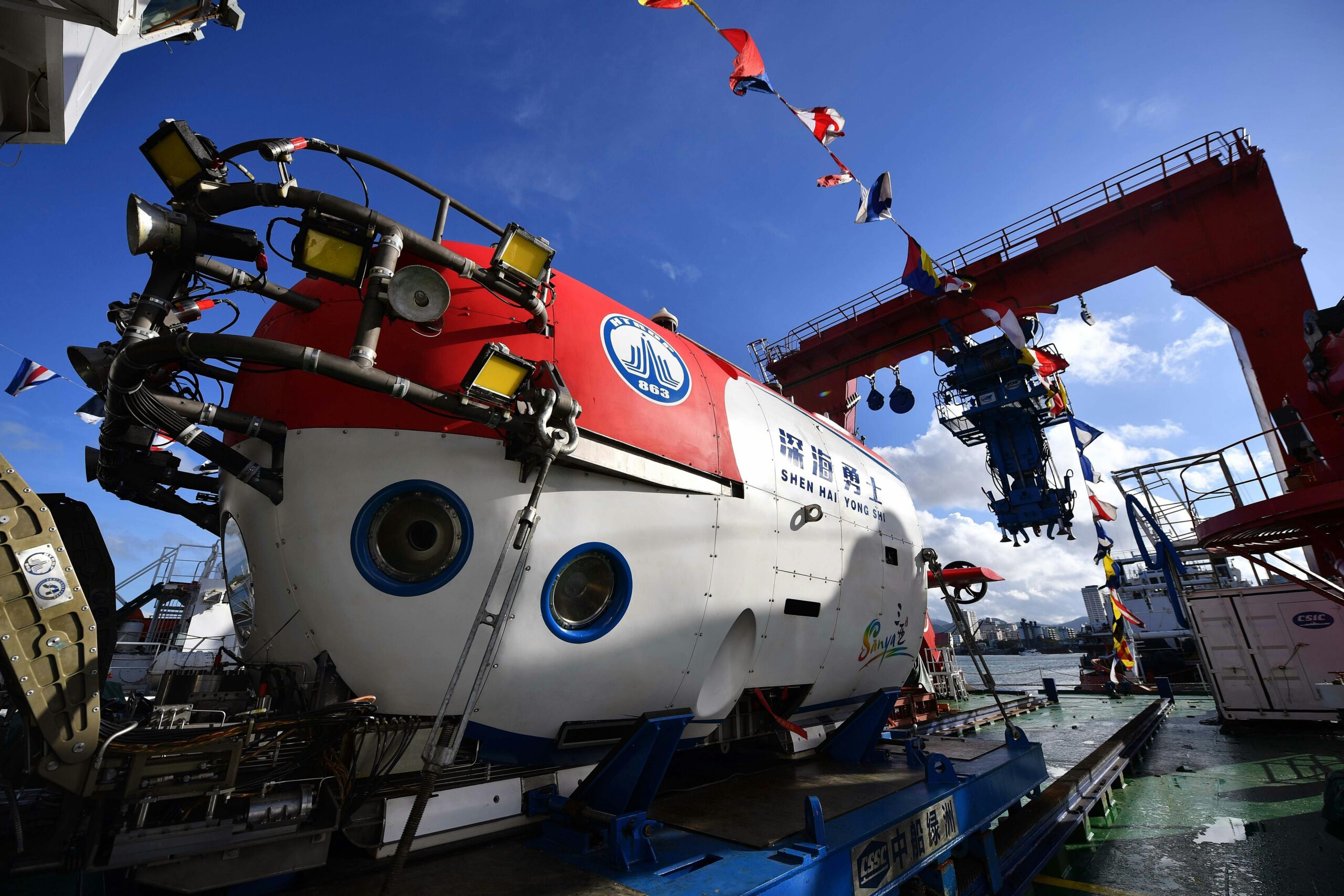
While autonomous systems offer incredible capabilities, human-occupied vehicles remain irreplaceable for certain types of exploration. The ability of trained scientists to observe, analyze, and make real-time decisions in response to unexpected phenomena provides insights that automated systems simply cannot match. Modern HOVs combine the safety and endurance necessary for extended deep-sea missions with unprecedented visibility and manipulation capabilities.
Submersibles like the DSV Limiting Factor have achieved full-ocean-depth certification, meaning they can reach the deepest point in any of Earth’s oceans. These vessels feature spherical titanium pressure hulls that distribute force evenly, advanced life support systems capable of sustaining crews for multiple days, and manipulator arms with haptic feedback that allow operators to perform delicate scientific tasks at crushing depths.
🔬 Groundbreaking Discoveries Enabled by Advanced Submersibles
The deployment of cutting-edge submersible technology has already yielded remarkable discoveries that have fundamentally altered our understanding of deep-sea environments. From thriving ecosystems in perpetual darkness to geological processes that shape our planet, these findings demonstrate the transformative potential of modern ocean exploration.
Hydrothermal Vent Communities and Chemosynthetic Life
One of the most profound discoveries made possible by deep-sea submersibles was the identification of hydrothermal vent ecosystems. These underwater hot springs, located along mid-ocean ridges, support complex biological communities that derive energy not from sunlight but from chemical reactions—a process called chemosynthesis. Giant tube worms, eyeless shrimp, and bacteria that thrive in temperatures exceeding 100°C demonstrate that life can flourish in conditions previously thought impossible.
Recent submersible missions have revealed that these vent communities are far more diverse and widespread than initially believed. Advanced imaging systems have documented hundreds of new species, many with unique adaptations that could have applications in biotechnology, medicine, and industrial processes. Enzymes from vent-dwelling organisms are already being used in PCR testing, biofuel production, and pharmaceutical development.
Mapping the Unknown: Underwater Mountains and Trenches
Sophisticated sonar systems mounted on modern submersibles have revolutionized our understanding of seafloor topography. Underwater mountain ranges larger than the Himalayas, previously unknown trenches, and massive submarine canyons have been mapped in unprecedented detail. These geological features play crucial roles in ocean circulation, nutrient distribution, and marine biodiversity.
The discovery of vast fields of polymetallic nodules, cobalt-rich ferromanganese crusts, and seafloor massive sulfide deposits has sparked both scientific interest and commercial attention. These mineral resources contain rare earth elements critical for modern technology, from smartphones to renewable energy systems. Submersible surveys are essential for understanding these deposits and assessing potential environmental impacts of future extraction activities.
Engineering Marvels: How Modern Submersibles Work
Understanding the technology that enables deep-sea exploration reveals the extraordinary engineering challenges involved in creating vessels capable of operating in one of Earth’s most hostile environments. Every component must be designed to withstand extreme pressure, corrosive salt water, near-freezing temperatures, and complete darkness while maintaining functionality and safety.
Pressure Hull Design and Materials Science
The pressure hull represents the most critical component of any deep-diving submersible. At depths of 11,000 meters, pressure exceeds 1,100 atmospheres—equivalent to having fifty jumbo jets stacked on every square meter of surface. Titanium alloys and specialized carbon fiber composites can withstand these forces while maintaining reasonable weight constraints. Spherical designs distribute pressure uniformly, eliminating weak points that could lead to catastrophic failure.
Advanced computational modeling allows engineers to test hull designs virtually, simulating extreme conditions and identifying potential failure modes before physical construction begins. Non-destructive testing techniques, including ultrasonic inspection and X-ray computed tomography, ensure that completed hulls meet exacting safety standards with no manufacturing defects.
Propulsion, Navigation, and Communication Systems
Precise maneuvering in deep-sea environments requires sophisticated propulsion systems that can function reliably under extreme pressure. Modern submersibles employ multiple thrusters positioned strategically around the hull, providing six degrees of freedom in movement. Variable buoyancy systems allow operators to achieve neutral buoyancy at any depth, reducing energy consumption and enabling hovering during delicate operations.
Navigation presents unique challenges in an environment where GPS signals cannot penetrate. Advanced inertial navigation systems, doppler velocity logs, and ultra-short baseline (USBL) acoustic positioning enable submersibles to determine their location with remarkable accuracy. Sophisticated sonar systems map surrounding terrain in real-time, preventing collisions and identifying points of interest.
Communication with surface vessels relies primarily on acoustic modems, which transmit data through sound waves. While bandwidth is limited compared to radio frequency communications, modern acoustic systems can transmit high-resolution imagery, sensor data, and command signals reliably even at extreme depths.
🎯 Commercial Applications and Research Opportunities
Beyond pure scientific research, advanced submersible technology is enabling commercial applications that were previously impossible or prohibitively expensive. Offshore energy infrastructure inspection, undersea cable maintenance, salvage operations, and resource exploration all benefit from improved deep-sea access capabilities.
Offshore Energy and Infrastructure Support
As oil and gas operations move into increasingly deep waters, submersibles equipped with specialized tools perform critical inspection, maintenance, and repair tasks on subsea infrastructure. Remotely operated vehicles (ROVs) working from surface ships can operate continuously for weeks, performing complex tasks that would be extremely dangerous or impossible for human divers.
The renewable energy sector is also leveraging submersible technology for underwater turbine installation, inspection of offshore wind farm foundations, and maintenance of tidal energy systems. As these technologies mature and deployment depths increase, submersible capabilities will become even more critical.
Archaeological and Historical Exploration
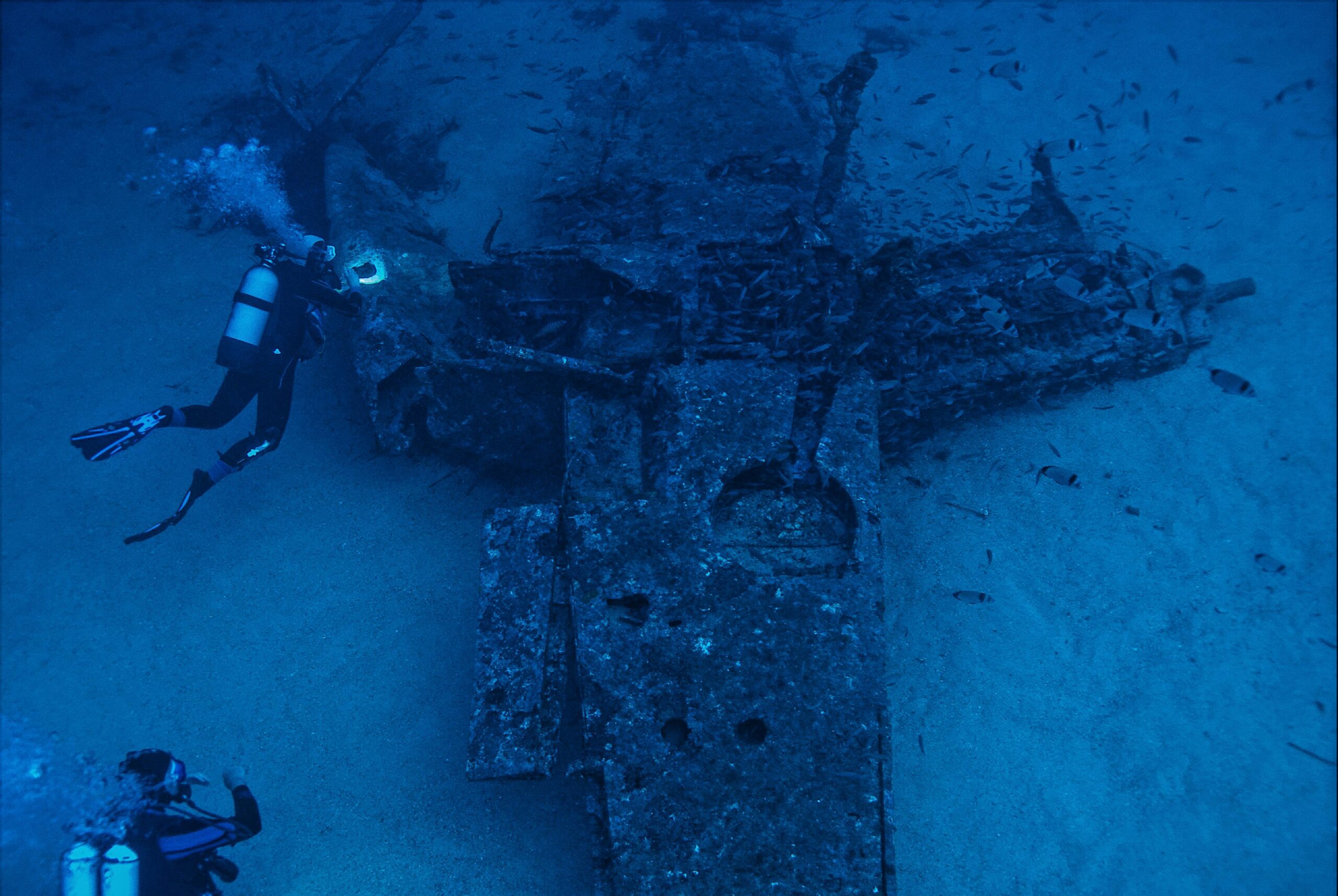
Deep-sea submersibles have opened new frontiers in maritime archaeology, enabling the discovery and documentation of shipwrecks in pristine condition. The cold, dark, oxygen-poor environment of the deep ocean preserves wooden vessels, artifacts, and even organic materials that would quickly deteriorate in shallow waters. High-resolution imaging systems capture minute details, while precision manipulator arms can recover delicate artifacts without damage.
Recent discoveries include ancient Roman trading vessels, World War II submarines, and even the wreck of the Endurance, Ernest Shackleton’s ship, found in excellent condition beneath Antarctic ice. These discoveries provide invaluable insights into historical events, ancient trade routes, and maritime technology evolution.
Environmental Monitoring and Conservation Efforts 🌍
As climate change, pollution, and resource extraction increasingly impact ocean ecosystems, submersibles provide essential capabilities for monitoring environmental conditions and assessing the health of marine habitats. Real-time data collection from deep-sea environments helps scientists understand how changing conditions affect biodiversity, chemical cycles, and geological processes.
Submersible surveys have documented plastic pollution in the deepest ocean trenches, revealing the global extent of marine contamination. These findings have galvanized international efforts to reduce plastic waste and develop more sustainable materials. Similarly, observations of coral bleaching at depth, changes in fish populations, and alterations to seafloor ecosystems provide early warning signals of broader environmental challenges.
Biodiversity Assessment and Species Discovery
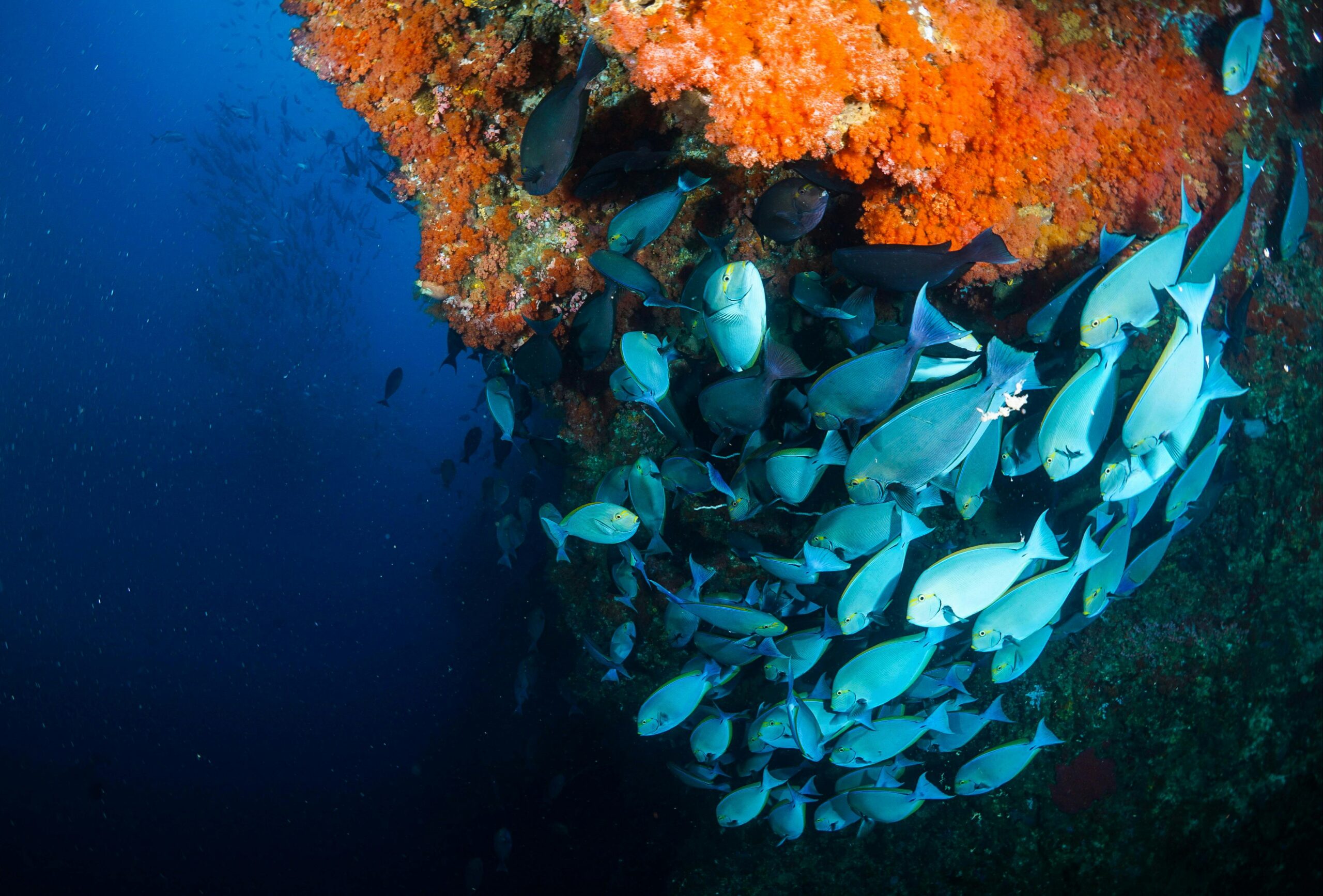
Every submersible dive into unexplored depths yields discoveries of new species, expanding our understanding of marine biodiversity. Recent missions have documented bioluminescent organisms, deep-sea corals spanning centuries of growth, and fish species adapted to pressures that would be instantly fatal to surface-dwelling creatures. DNA sampling and microscopic analysis of collected specimens reveal evolutionary relationships and adaptation mechanisms that inform broader biological understanding.
These biodiversity surveys are crucial for establishing marine protected areas and developing conservation strategies. Understanding which species inhabit particular environments, their ecological roles, and their vulnerability to human impacts enables evidence-based policy decisions that balance conservation with sustainable resource use.
The Future of Deep-Sea Exploration Technology
Looking ahead, several emerging technologies promise to further revolutionize ocean exploration. Artificial intelligence and machine learning will enable more sophisticated autonomous operations, allowing submersibles to conduct complex scientific investigations with minimal human oversight. Swarm robotics, where multiple small submersibles work cooperatively, could enable simultaneous observation of large areas or coordinated sampling across environmental gradients.
Advanced Sensor Technologies and Data Integration
Next-generation sensors will provide unprecedented insight into deep-sea environments. Chemical sensors capable of detecting trace compounds in real-time will help identify new hydrothermal vents, track pollutant dispersal, and monitor water quality. Advanced imaging systems combining visible light, fluorescence, and acoustic techniques will reveal details invisible to current technology.
Integration of data from multiple sources—submersibles, autonomous vehicles, fixed sensor arrays, and satellite observations—will create comprehensive, dynamic models of ocean systems. Machine learning algorithms will identify patterns and relationships within these massive datasets, accelerating discovery and improving our predictive capabilities.
Extending Human Presence in the Deep Ocean
While current submersibles enable brief visits to extreme depths, future technologies may support extended human presence in deep-sea environments. Underwater habitats supplied by surface vessels or autonomous systems could serve as bases for prolonged research missions. Advanced life support systems, energy generation from ocean thermal gradients, and in-situ resource utilization could make such facilities sustainable.
These developments would transform deep-sea research from brief snapshots to continuous observation, enabling studies of seasonal variations, long-term ecosystem changes, and rare events that current technology might miss entirely. The scientific insights gained from such sustained presence could be transformative.
🚀 Challenges and Opportunities Ahead
Despite remarkable progress, significant challenges remain in deep-sea exploration. The extreme cost of submersible development and operation limits access primarily to well-funded research institutions and commercial operators. Developing more cost-effective systems without compromising safety or capability remains a critical engineering challenge.
International cooperation and data sharing are essential for maximizing the scientific return on ocean exploration investments. Standardized data formats, open-access repositories, and collaborative research frameworks enable scientists worldwide to build upon each other’s discoveries, accelerating progress and avoiding duplication of effort.
Training the next generation of ocean explorers requires not only technical expertise in engineering and marine science but also interdisciplinary skills spanning robotics, data science, environmental policy, and international law. Educational initiatives that inspire young people to pursue ocean-related careers are essential for sustaining momentum in this critical field.
The Ocean’s Secrets Await Discovery
The deep ocean represents humanity’s last great frontier on Earth—a vast, largely unexplored realm holding answers to fundamental questions about life, geology, and our planet’s past and future. Cutting-edge submersibles are finally providing the tools necessary to explore this realm systematically, revealing wonders that previous generations could only imagine.
From thriving ecosystems in perpetual darkness to geological processes that shape continents, from potential medical breakthroughs to mineral resources that could support future technologies, the deep ocean holds treasures worth pursuing. As submersible technology continues advancing, becoming more capable, more affordable, and more accessible, we stand on the brink of a golden age of ocean discovery.
The revolutionary submersibles now descending into the abyss are not merely exploring another environment—they’re opening windows into alien worlds right here on Earth, revealing the extraordinary diversity and resilience of life, and demonstrating that our planet still holds countless secrets waiting to be discovered. The journey into the depths has only just begun, and the most exciting discoveries likely still lie ahead, waiting in the darkness below.

Toni Santos is a maritime researcher and underwater archaeologist specializing in the study of submerged heritage, ancient port systems, and the cultural landscapes preserved beneath the sea. Through an interdisciplinary and immersive approach, Toni investigates how humanity has left traces of knowledge, commerce, and legend in the underwater world — across oceans, myths, and sunken cities.
His work is grounded in a fascination with wrecks not only as artifacts, but as carriers of hidden meaning. From historic shipwreck discoveries to mythical harbors and lost coastal settlements, Toni uncovers the physical and cultural evidence through which civilizations preserved their relationship with the maritime unknown.
With a background in marine archaeology and underwater survey methods, Toni blends technical analysis with archival research to reveal how oceans were used to shape identity, transmit memory, and encode sacred knowledge.
As the creative mind behind revaltro, Toni curates documented dive studies, speculative harbor maps, and archaeological interpretations that revive the deep cultural ties between water, folklore, and forgotten science.
His work is a tribute to:
The submerged heritage of Historic Shipwrecks and Their Cargoes
The legendary sites of Mythical Harbors and Lost Civilizations
The technical methods of Underwater Exploration Techniques
The natural archiving power of Preservation in Salt and Sediment
Whether you’re a maritime historian, nautical researcher, or curious explorer of forgotten submerged worlds, Toni invites you to explore the hidden depths of oceanic heritage — one wreck, one harbor, one legend at a time.