The ocean’s mysteries are being unveiled through cutting-edge autonomous underwater vehicles, revolutionizing marine exploration and transforming our understanding of Earth’s final frontier.
🌊 The Dawn of Autonomous Ocean Exploration
Beneath the waves lies a world that remains largely unexplored, with scientists estimating that over 80% of our oceans have never been observed by human eyes. Autonomous Underwater Vehicles (AUVs) are changing this reality at an unprecedented pace. These sophisticated robotic explorers are diving deeper, staying submerged longer, and collecting data more efficiently than ever before, opening new chapters in marine science, commercial applications, and environmental conservation.
The evolution of AUV technology represents one of the most significant advancements in oceanographic research. Unlike remotely operated vehicles (ROVs) that require constant human control through tethered connections, AUVs operate independently, following pre-programmed missions or making autonomous decisions based on artificial intelligence algorithms. This independence allows them to venture into areas previously deemed too dangerous, too deep, or too remote for traditional exploration methods.
Engineering Marvels Designed for the Abyss
Modern autonomous underwater vehicles are engineering masterpieces that must withstand extreme pressure, corrosive saltwater, and complete darkness while maintaining operational efficiency. The design challenges are formidable: creating vessels that can descend to depths exceeding 6,000 meters where pressure reaches over 600 atmospheres, all while maintaining precise navigation and sensor functionality.
The hull construction typically utilizes titanium alloys or specialized composites capable of resisting crushing forces. Internal systems are carefully sealed and pressure-compensated, with batteries and electronics housed in specially designed compartments. Propulsion systems employ advanced thrusters that provide maneuverability in three-dimensional space, allowing AUVs to maintain position against currents and navigate complex underwater terrain.
Navigation and Positioning Systems
One of the most challenging aspects of AUV operation is underwater navigation. GPS signals cannot penetrate seawater, forcing engineers to develop alternative positioning systems. Modern AUVs employ a combination of technologies including:
- Inertial navigation systems (INS) that track movement through accelerometers and gyroscopes
- Doppler velocity logs (DVL) that measure speed relative to the seafloor
- Ultra-short baseline (USBL) acoustic positioning systems for surface vessel tracking
- Terrain-relative navigation using sonar mapping and comparison algorithms
- AI-powered simultaneous localization and mapping (SLAM) capabilities
Scientific Breakthroughs Powered by Autonomous Exploration
The scientific community has embraced AUV technology as an indispensable tool for marine research. These vehicles are collecting unprecedented amounts of data across multiple disciplines, from marine biology to geology, from climate science to archaeology. Their ability to conduct systematic surveys over large areas while maintaining consistent data collection protocols has revolutionized how researchers approach oceanographic studies.
In marine biology, AUVs equipped with high-resolution cameras and environmental sensors are documenting previously unknown ecosystems. They’ve discovered new species in deep-sea trenches, mapped coral reef systems with centimeter-level precision, and tracked the migration patterns of marine mammals through passive acoustic monitoring. The non-invasive nature of AUV observation allows scientists to study marine life without the disturbance caused by manned submersibles or surface vessels.
Climate Change and Ocean Health Monitoring
Understanding ocean dynamics is crucial for climate change research, and AUVs are providing the consistent, long-term data necessary for accurate modeling. These vehicles conduct repeated surveys of specific ocean regions, measuring temperature gradients, salinity levels, current velocities, and chemical composition. This temporal data reveals trends in ocean warming, acidification, and circulation patterns that are essential for predicting future climate scenarios.
AUVs are particularly valuable for monitoring polar regions where ice coverage makes traditional research vessels impractical. They can navigate beneath ice shelves, measuring thickness, documenting melting rates, and studying the unique ecosystems that exist at the ice-water interface. This research is providing critical insights into how polar ice loss affects global ocean circulation and sea level rise.
⚓ Commercial Applications Transforming Industries
Beyond scientific research, autonomous underwater vehicles are becoming essential tools across multiple commercial sectors. The offshore energy industry relies heavily on AUVs for pipeline inspection, platform surveys, and subsea infrastructure maintenance. These vehicles can conduct detailed inspections of underwater structures, identifying corrosion, structural damage, or potential failure points before catastrophic failures occur.
The cost savings are substantial. Traditional inspection methods requiring manned submersibles or diver teams are expensive and time-consuming. AUVs can operate continuously for hours or even days, covering large areas and collecting comprehensive data at a fraction of the cost. Advanced imaging systems can detect defects invisible to the human eye, while AI-powered analysis systems can automatically identify areas requiring maintenance.
Maritime Archaeology and Treasure Hunting
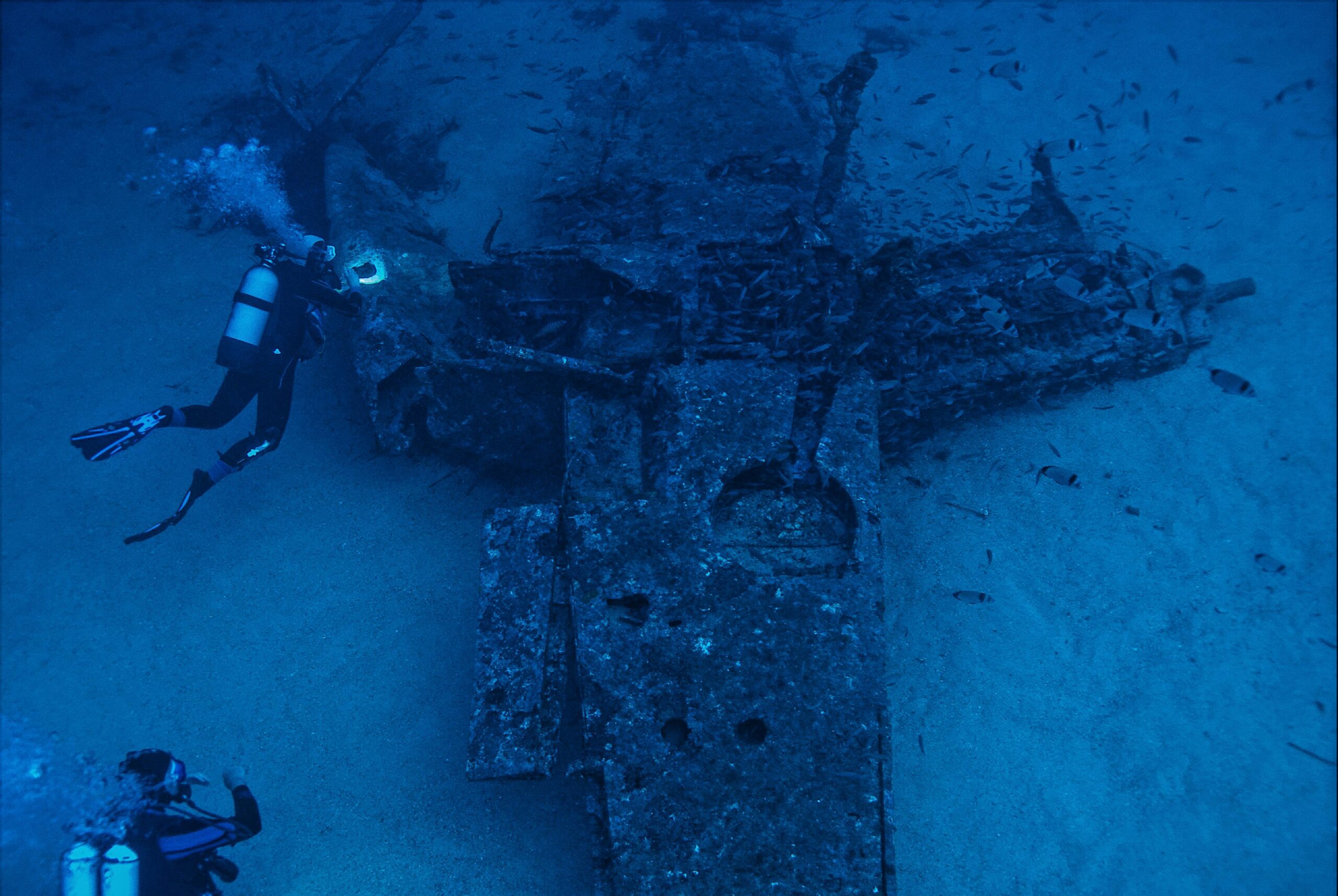
The field of maritime archaeology has been transformed by AUV technology. These vehicles can systematically survey vast ocean areas, using side-scan sonar and magnetometers to locate shipwrecks and submerged historical sites. High-resolution imaging creates detailed 3D models of archaeological sites without disturbing delicate artifacts, allowing researchers to study and document underwater heritage with unprecedented precision.
Several famous discoveries have been made using AUVs, including ancient shipwrecks in the Mediterranean, World War II vessels in the Pacific, and even aircraft crash sites. The ability to search large areas efficiently has accelerated the pace of maritime archaeological discovery while reducing the environmental impact of exploration activities.
🤖 Artificial Intelligence and Machine Learning Integration
The latest generation of autonomous underwater vehicles incorporates sophisticated artificial intelligence systems that enable genuine autonomy. Early AUVs followed rigidly pre-programmed routes, but modern vehicles can adapt their missions in real-time based on environmental conditions and discovered phenomena. Machine learning algorithms allow these vehicles to recognize features of interest, adjust survey patterns, and even make decisions about which areas warrant closer investigation.
Computer vision systems can identify specific marine species, geological formations, or man-made objects, automatically triggering detailed documentation protocols. Natural language processing enables AUVs to understand complex mission objectives and translate them into efficient exploration strategies. Reinforcement learning allows vehicles to optimize their behavior based on previous mission outcomes, continuously improving performance over time.
Swarm Intelligence and Collaborative Missions
An exciting frontier in AUV development is the coordination of multiple vehicles working collaboratively. Swarm robotics principles enable groups of AUVs to divide search areas, share information, and coordinate activities without human intervention. This approach dramatically increases survey efficiency and provides redundancy that enhances mission reliability.
Collaborative missions can involve vehicles with different specializations working together. For example, a larger AUV might conduct broad-area surveys while smaller vehicles investigate specific targets in greater detail. Communication between vehicles occurs through acoustic modems, allowing them to share data and coordinate actions despite the challenges of underwater communication.
Environmental Conservation and Protection
Autonomous underwater vehicles are playing an increasingly important role in environmental monitoring and conservation efforts. Marine protected areas require regular surveillance to ensure compliance with regulations and assess ecosystem health. AUVs can conduct these surveys non-invasively, documenting biodiversity, monitoring for illegal fishing activities, and tracking the recovery of protected species.
Pollution monitoring is another critical application. AUVs equipped with chemical sensors can detect oil spills, plastic pollution concentrations, and harmful algal blooms, providing early warning of environmental threats. They can track the dispersion of pollutants, helping authorities respond more effectively to contamination events.
Invasive Species Management
The spread of invasive marine species represents a significant threat to ocean ecosystems. AUVs are being deployed to monitor the distribution of invasive species, track their spread, and assess their impact on native ecosystems. The detailed data collected by these vehicles helps conservation managers develop targeted intervention strategies and measure the effectiveness of control programs.
🔋 Power Systems and Endurance Challenges
Energy storage remains one of the primary limitations for autonomous underwater vehicle operations. Most AUVs rely on lithium-ion or lithium-polymer batteries that provide limited mission duration. Engineers are constantly working to improve energy density, developing new battery chemistries and power management systems that extend operational time.
Alternative power sources are being explored, including fuel cells that offer higher energy density than conventional batteries. Some experimental AUVs harvest energy from their environment, using thermal gradients, wave motion, or even microbial fuel cells. These technologies promise to enable ultra-long-duration missions spanning weeks or months without requiring battery replacement.
Communication Beneath the Surface
Underwater communication presents unique challenges that significantly differ from terrestrial or aerial applications. Radio waves that work perfectly in air attenuate rapidly in seawater, making them impractical for most underwater communication needs. Acoustic communication has become the standard, but it comes with significant limitations including low bandwidth, high latency, and susceptibility to interference from ambient noise.
Recent innovations are pushing the boundaries of underwater communication. Optical communication systems using laser or LED technology offer much higher data rates than acoustic systems, though they require line-of-sight and work best over shorter distances. Hybrid systems combining acoustic and optical communication are being developed to optimize performance across different scenarios and ranges.
🌐 Future Horizons in Autonomous Ocean Exploration
The future of autonomous underwater vehicles promises even more remarkable capabilities. Biomimetic designs inspired by marine animals are improving efficiency and maneuverability. Vehicles modeled after fish, dolphins, and jellyfish are demonstrating superior performance in certain applications, moving more naturally through the water and consuming less energy than traditional designs.
Soft robotics is opening new possibilities for AUV design. Flexible, adaptable structures can navigate confined spaces, interact safely with delicate ecosystems, and withstand damage that would disable rigid vehicles. These soft-bodied AUVs might explore shipwrecks, investigate underwater caves, or conduct close-proximity biological research with minimal environmental impact.
Integration with Satellite and Aerial Systems
Coordinated earth observation systems that integrate satellite imagery, aerial drones, surface vessels, and AUVs are becoming reality. This multi-domain approach provides comprehensive environmental monitoring, combining the wide coverage of satellite systems with the detailed subsurface data collected by AUVs. Machine learning systems can integrate these diverse data streams, creating holistic models of marine environments that were previously impossible to achieve.
Regulatory and Ethical Considerations
As AUV technology becomes more capable and widespread, regulatory frameworks are evolving to address new challenges. Questions about territorial waters, environmental protection, data ownership, and military applications require careful consideration. International cooperation is essential to establish standards that promote beneficial applications while preventing harmful uses.
Privacy concerns emerge as surveillance capabilities increase. High-resolution imaging systems can potentially monitor human activities in coastal areas or identify specific vessels. Balancing legitimate research and commercial applications with privacy rights and security concerns requires thoughtful policy development.
🚀 Transforming Our Relationship with the Ocean
Autonomous underwater vehicles are fundamentally changing how humanity interacts with the ocean. They’re transforming the ocean from an impenetrable mystery into an increasingly understood environment. The data they collect informs policy decisions, guides conservation efforts, enables commercial activities, and expands scientific knowledge at an unprecedented rate.
As these technologies become more accessible and affordable, we’re witnessing a democratization of ocean exploration. Universities, small research organizations, and even citizen scientists are gaining access to capabilities once reserved for major institutions and governments. This broader participation is accelerating discovery and fostering a more profound connection between people and the marine environment.
The innovations unleashed by autonomous underwater vehicle development extend far beyond oceanography. Technologies developed for undersea exploration find applications in medicine, manufacturing, artificial intelligence, and countless other fields. The engineering challenges of operating in the ocean’s extreme environment drive innovation that benefits society in ways both direct and unexpected.
Looking forward, autonomous underwater vehicles will continue to push the boundaries of what’s possible beneath the waves. They’ll explore deeper trenches, map more seafloor, discover new species, and provide the data necessary to protect our ocean planet. As artificial intelligence advances, these vehicles will become even more capable, more autonomous, and more essential to our understanding and stewardship of Earth’s oceans. The depths await, and autonomous underwater vehicles are our key to unlocking their secrets. 🌊

Toni Santos is a maritime researcher and underwater archaeologist specializing in the study of submerged heritage, ancient port systems, and the cultural landscapes preserved beneath the sea. Through an interdisciplinary and immersive approach, Toni investigates how humanity has left traces of knowledge, commerce, and legend in the underwater world — across oceans, myths, and sunken cities.
His work is grounded in a fascination with wrecks not only as artifacts, but as carriers of hidden meaning. From historic shipwreck discoveries to mythical harbors and lost coastal settlements, Toni uncovers the physical and cultural evidence through which civilizations preserved their relationship with the maritime unknown.
With a background in marine archaeology and underwater survey methods, Toni blends technical analysis with archival research to reveal how oceans were used to shape identity, transmit memory, and encode sacred knowledge.
As the creative mind behind revaltro, Toni curates documented dive studies, speculative harbor maps, and archaeological interpretations that revive the deep cultural ties between water, folklore, and forgotten science.
His work is a tribute to:
The submerged heritage of Historic Shipwrecks and Their Cargoes
The legendary sites of Mythical Harbors and Lost Civilizations
The technical methods of Underwater Exploration Techniques
The natural archiving power of Preservation in Salt and Sediment
Whether you’re a maritime historian, nautical researcher, or curious explorer of forgotten submerged worlds, Toni invites you to explore the hidden depths of oceanic heritage — one wreck, one harbor, one legend at a time.