The silent world beneath the waves holds countless secrets, and modern diving techniques are unlocking archaeological treasures once thought forever lost to the depths.
🌊 The Evolution of Underwater Archaeological Exploration
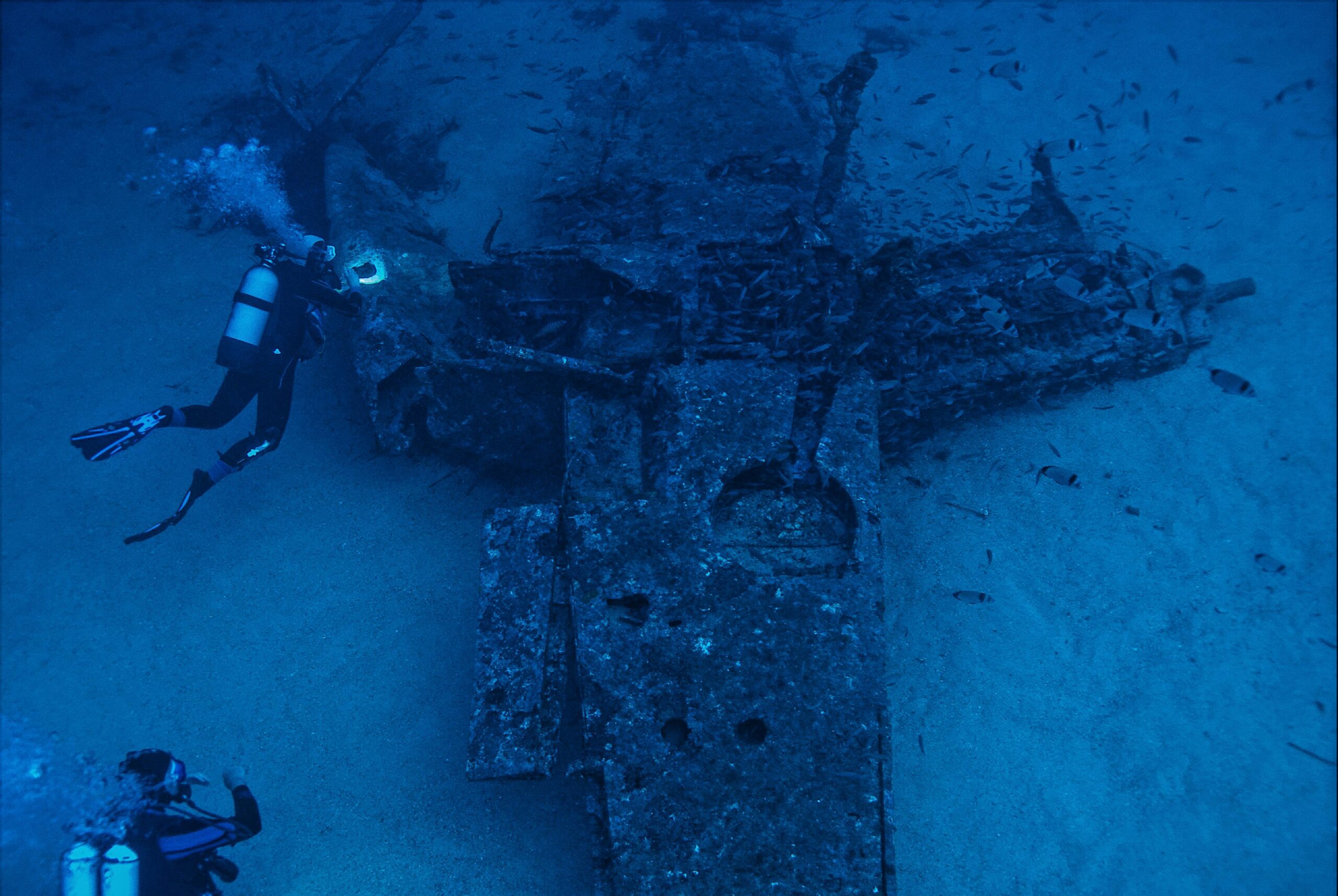
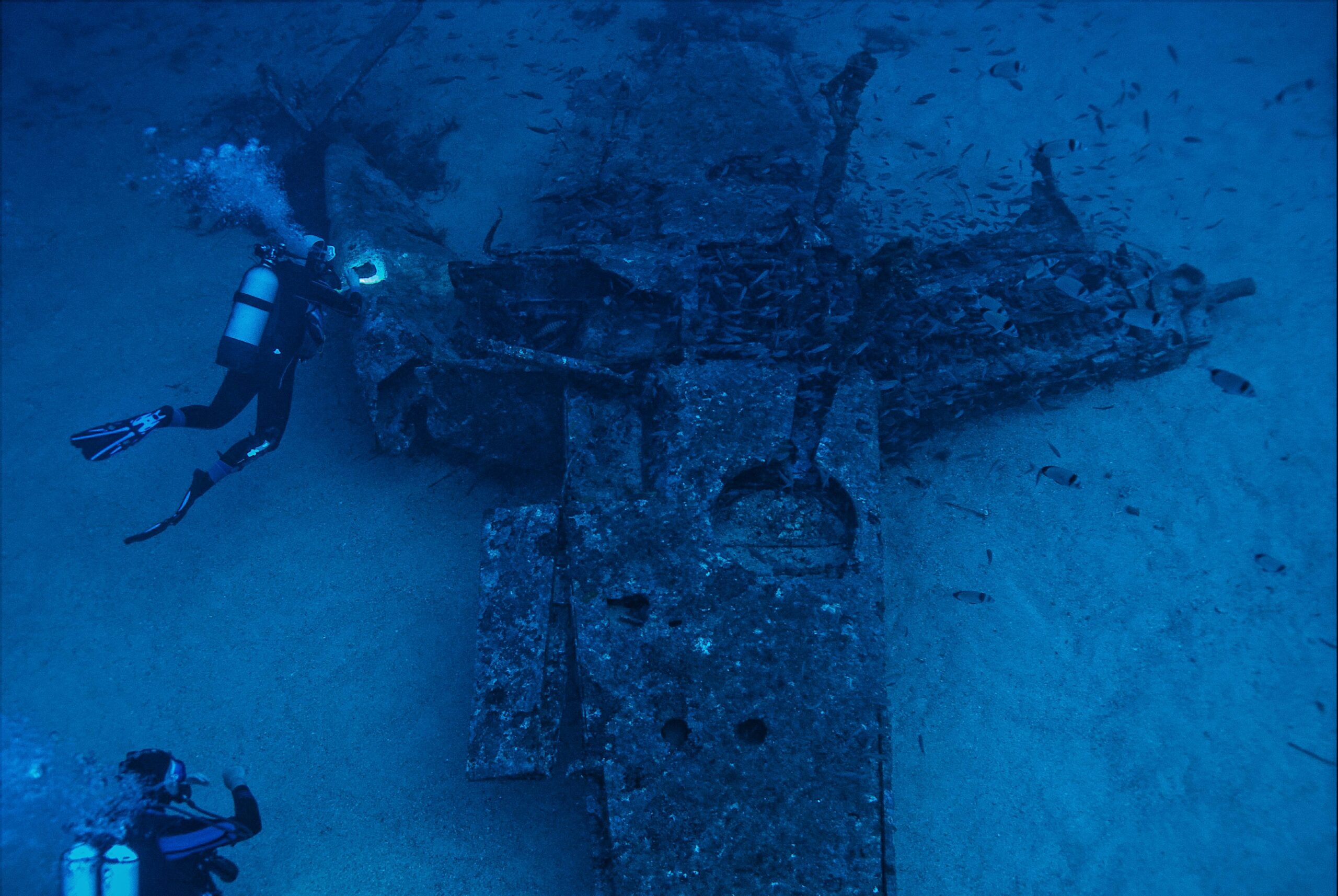
Underwater archaeology has transformed dramatically over the past few decades, evolving from rudimentary salvage operations into a sophisticated scientific discipline. Today’s archaeological divers combine cutting-edge technology with refined diving techniques to explore shipwrecks, submerged cities, and ancient coastal settlements that provide invaluable insights into human history.
The marriage between advanced diving methodologies and archaeological science has opened unprecedented opportunities for researchers. Where early underwater explorers relied on basic scuba equipment and limited bottom time, contemporary archaeological divers utilize technical diving configurations, rebreathers, and specialized training that allows them to work safely at depths and durations previously unimaginable.
This revolution in underwater exploration techniques has fundamentally changed how we approach submerged heritage sites. Archaeological teams now plan expeditions with military precision, incorporating decompression strategies, mixed-gas diving, and underwater documentation methods that rival surface-based archaeological standards.
Technical Diving Configurations for Deep Archaeological Sites
The exploration of deep archaeological sites demands specialized diving configurations that extend far beyond recreational diving limits. Technical diving has become the backbone of serious underwater archaeological work, enabling researchers to access wrecks and ruins at depths exceeding 60 meters.
Trimix diving, which utilizes a breathing gas mixture of oxygen, nitrogen, and helium, has revolutionized deep archaeological exploration. By reducing nitrogen narcosis and oxygen toxicity, trimix allows divers to maintain mental clarity and work efficiency at extreme depths where critical archaeological decisions must be made.
Rebreather Technology in Archaeological Applications
Closed-circuit rebreathers (CCRs) have emerged as game-changers for underwater archaeological expeditions. Unlike traditional open-circuit scuba systems that release exhaled gas as bubbles, rebreathers recycle breathing gas, offering multiple advantages for archaeological work.
The extended bottom time provided by rebreathers allows archaeologists to conduct thorough site surveys and meticulous excavation work without the constant interruptions required by traditional scuba. A single rebreather dive can provide several hours of productive work time, compared to the 20-40 minutes typical of open-circuit diving at similar depths.
Additionally, the lack of bubbles from rebreathers prevents sediment disturbance at delicate archaeological sites. This bubble-free approach is particularly valuable when documenting fragile artifacts or investigating silty environments where visibility can be easily compromised.
Decompression Management and Extended Bottom Time
Managing decompression obligations represents one of the most critical aspects of deep archaeological diving. Modern decompression theory and practice have evolved to support the extended bottom times necessary for productive archaeological work while maintaining diver safety.
Contemporary archaeological diving teams employ sophisticated decompression software and dive computers that calculate real-time decompression requirements based on actual dive profiles. These tools allow for dynamic mission planning, enabling teams to maximize productive bottom time while adhering to conservative decompression protocols.
Staged Decompression Strategies
Staged decompression diving has become standard practice for archaeological expeditions working beyond recreational depth limits. Teams establish decompression stations at predetermined depths, often utilizing underwater habitats or suspended decompression bars equipped with emergency gas supplies, communication equipment, and even entertainment systems for extended stops.
The use of oxygen-rich decompression gases during ascent significantly reduces overall decompression time compared to breathing air or bottom mix throughout the ascent. This optimization allows archaeological teams to dedicate more time to actual site work rather than decompression obligations.
Underwater Survey and Mapping Techniques
Accurate documentation forms the foundation of archaeological science, and underwater environments present unique challenges for site mapping and artifact recording. Modern diving techniques have integrated sophisticated survey methodologies that produce detailed three-dimensional models of submerged sites.
Photogrammetry has revolutionized underwater archaeological documentation. Divers trained in systematic photography techniques can capture thousands of overlapping images that specialized software processes into highly accurate 3D models. These digital reconstructions provide millimeter-level precision, allowing researchers to conduct detailed analysis without repeatedly exposing fragile sites to diver traffic.
Multibeam Sonar and Remote Sensing Integration
Before divers even enter the water, remote sensing technologies identify potential archaeological sites. Multibeam sonar systems create detailed bathymetric maps of the seafloor, revealing anomalies that may indicate shipwrecks or submerged structures. Side-scan sonar provides photographic-quality images of bottom features, guiding dive teams to the most promising investigation sites.
The integration of surface-based remote sensing with direct diver observation creates a comprehensive exploration strategy. Divers ground-truth remote sensing data, confirming whether detected anomalies represent archaeological significance or natural geological features.
Specialized Training for Archaeological Divers
The complexity of underwater archaeological work demands specialized training that combines advanced diving skills with archaeological methodology. Programs worldwide now offer certification specifically designed for archaeological diving, ensuring that team members possess both technical diving competency and archaeological knowledge.
Archaeological diving training emphasizes non-disturbance techniques, teaching divers to navigate sites without damaging fragile artifacts or disturbing archaeological context. Proper buoyancy control, finning techniques, and equipment configuration all contribute to minimizing site impact during exploration and documentation phases.
Key Competencies for Archaeological Divers
- Advanced buoyancy and trim control for working in delicate environments
- Underwater photography and videography for site documentation
- Survey techniques including baseline establishment and trilateration
- Artifact handling and recovery protocols
- Underwater communication systems and team coordination
- Emergency response procedures specific to archaeological diving operations
- Environmental awareness and marine ecosystem protection
- Archaeological recording and context preservation methods
Environmental Challenges and Adaptive Techniques ⚓
Underwater archaeological sites exist in diverse marine environments, each presenting unique challenges that require adaptive diving techniques. From the frigid waters of high latitudes to tropical reefs, from zero-visibility river systems to crystal-clear Mediterranean seas, archaeological divers must adapt their approaches to environmental conditions.
Cold-water diving demands specialized thermal protection and equipment considerations. Drysuits, heated undergarments, and cold-water regulators enable teams to work productively in waters that would quickly incapacitate unprotected divers. The Baltic Sea’s remarkably preserved wooden shipwrecks, for example, require diving in near-freezing conditions where proper thermal management becomes critical for both safety and work efficiency.
Low-Visibility Excavation Techniques
Many archaeologically significant sites exist in turbid waters where visual navigation proves impossible. Divers working in these conditions employ tactile survey techniques, relying on touch and systematic search patterns rather than vision. Specialty training in zero-visibility diving enables archaeologists to continue productive work even when they cannot see their own gauges.
Communication becomes particularly challenging in low-visibility environments. Teams develop standardized touch-contact signals and utilize full-face masks with integrated communication systems, allowing verbal coordination even when visual signals prove ineffective.
Conservation Diving and Site Preservation
The act of discovering and exploring underwater archaeological sites inherently carries risks to their preservation. Modern archaeological diving techniques prioritize site conservation, implementing strategies that balance research objectives with long-term preservation goals.
In-situ preservation has gained favor over excavation and recovery for many underwater sites. By documenting artifacts and structures without removal, archaeologists preserve archaeological context while protecting objects from the deterioration that often accompanies transition from underwater to atmospheric environments.
Protective Measures During Site Investigation
Archaeological diving teams implement various protective measures during site investigation. Temporary covers protect exposed artifacts from marine organisms and current-borne sediments. Sacrificial anodes prevent galvanic corrosion on metal artifacts. Mesh cages deter fish and other marine life from disturbing delicate materials during documentation phases.
The establishment of no-anchor zones around known archaeological sites prevents inadvertent damage from vessel operations. Permanent mooring systems allow dive boats to secure without dropping anchors that could devastate fragile wreck structures or archaeological features.
Team Coordination and Dive Mission Planning 🎯
Successful underwater archaeological expeditions require meticulous planning and flawless team coordination. Unlike recreational diving, where individual divers exercise considerable autonomy, archaeological diving operates as a coordinated team activity with clearly defined roles and objectives.
Pre-dive briefings establish mission objectives, individual responsibilities, communication protocols, and emergency procedures. Teams review site maps, discuss specific documentation requirements, and confirm equipment configurations before entering the water. This systematic approach ensures that limited bottom time produces maximum scientific value.
Surface Support and Safety Systems
Comprehensive surface support systems form an essential component of archaeological diving operations. Surface coordinators maintain constant communication with underwater teams, monitor dive profiles, track decompression obligations, and coordinate emergency response resources.
Hyperbaric chamber access represents a critical safety consideration for deep archaeological diving. Major expeditions either maintain portable recompression chambers on-site or establish clear protocols for rapid evacuation to the nearest chamber facility in case of decompression illness.
Cutting-Edge Technologies Enhancing Underwater Exploration
The intersection of diving techniques and emerging technologies continues to expand the possibilities for underwater archaeological exploration. Artificial intelligence algorithms now assist in artifact identification from photogrammetric models. Autonomous underwater vehicles (AUVs) conduct preliminary surveys, guiding human divers to areas of highest archaeological potential.
Underwater drones equipped with high-definition cameras allow archaeologists to conduct reconnaissance missions before committing human divers to potentially hazardous environments. These remotely operated vehicles (ROVs) can access confined spaces within wreck structures where diver penetration would prove dangerous or impossible.
Mixed-Reality Documentation Systems
Augmented reality displays integrated into dive masks provide real-time overlays of site maps, artifact catalogs, and documentation checklists. These systems allow divers to reference complex information without surfacing or consulting waterproof slates, significantly improving work efficiency during limited bottom time.
Virtual reality reconstructions created from underwater survey data enable researchers worldwide to explore archaeological sites without physical travel. These digital environments democratize access to underwater heritage, allowing scholars, students, and the public to experience submerged archaeological wonders.
Regulatory Frameworks and Ethical Considerations
Underwater archaeological diving operates within complex regulatory frameworks designed to protect submerged cultural heritage. International agreements like the UNESCO Convention on the Protection of Underwater Cultural Heritage establish principles governing underwater archaeological work, emphasizing scientific methodology and preservation priorities.
Responsible archaeological divers obtain appropriate permits before investigating sites, ensuring compliance with national and international heritage protection laws. This legal framework prevents treasure hunting and ensures that underwater archaeological resources receive the same protection afforded to terrestrial heritage sites.
Future Frontiers in Underwater Archaeological Diving
The future of underwater archaeological exploration promises even more revolutionary advances. Atmospheric diving suits (ADS) enable divers to reach extreme depths without decompression obligations, potentially opening access to deep-water archaeological sites currently beyond practical reach.
Underwater habitats may eventually allow archaeological teams to live and work at depth for extended periods, eliminating the productivity losses associated with daily descents and decompression ascents. Such facilities would transform underwater archaeology from a series of brief visits into sustained research campaigns comparable to terrestrial excavations.
Developments in breathing gas technology, including hydrogen-based mixtures for extreme depths, may eventually provide access to the deepest archaeological sites in the ocean. As diving techniques continue to evolve, the silent world beneath the waves will gradually surrender its most carefully guarded historical secrets.
The Human Element: Skills, Dedication, and Discovery 🔍
Despite all technological advances, underwater archaeological exploration ultimately depends on skilled human divers willing to accept the risks and challenges of working in alien environments. The combination of technical diving expertise, archaeological knowledge, environmental awareness, and pure determination defines the modern archaeological diver.
These underwater explorers represent a unique intersection of athlete, scientist, and adventurer. Their work connects us with our maritime heritage, recovering stories of ancient mariners, forgotten civilizations, and historical events preserved in the underwater realm. Each dive into the depths represents not just a technical accomplishment but a journey into human history.
The revolution in diving techniques has transformed underwater archaeology from salvage operations into sophisticated scientific endeavors that rival the best terrestrial archaeological projects. As methods continue to advance and technologies evolve, the depths will continue revealing their secrets, enriching our understanding of humanity’s relationship with the sea that has always been central to our story as a species.

Toni Santos is a maritime researcher and underwater archaeologist specializing in the study of submerged heritage, ancient port systems, and the cultural landscapes preserved beneath the sea. Through an interdisciplinary and immersive approach, Toni investigates how humanity has left traces of knowledge, commerce, and legend in the underwater world — across oceans, myths, and sunken cities.
His work is grounded in a fascination with wrecks not only as artifacts, but as carriers of hidden meaning. From historic shipwreck discoveries to mythical harbors and lost coastal settlements, Toni uncovers the physical and cultural evidence through which civilizations preserved their relationship with the maritime unknown.
With a background in marine archaeology and underwater survey methods, Toni blends technical analysis with archival research to reveal how oceans were used to shape identity, transmit memory, and encode sacred knowledge.
As the creative mind behind revaltro, Toni curates documented dive studies, speculative harbor maps, and archaeological interpretations that revive the deep cultural ties between water, folklore, and forgotten science.
His work is a tribute to:
The submerged heritage of Historic Shipwrecks and Their Cargoes
The legendary sites of Mythical Harbors and Lost Civilizations
The technical methods of Underwater Exploration Techniques
The natural archiving power of Preservation in Salt and Sediment
Whether you’re a maritime historian, nautical researcher, or curious explorer of forgotten submerged worlds, Toni invites you to explore the hidden depths of oceanic heritage — one wreck, one harbor, one legend at a time.