Humanity’s quest to explore the unknown has shaped civilizations, driven scientific progress, and expanded our understanding of Earth and beyond, yet this ambition comes with profound environmental consequences.
🌍 The Price of Discovery: Understanding Our Environmental Footprint
Throughout history, exploration has been synonymous with human advancement. From the early seafaring expeditions that mapped uncharted territories to the modern space race pushing boundaries beyond our atmosphere, each journey has left an indelible mark—not just on our collective knowledge, but on the planet itself. As we stand at the crossroads of unprecedented technological capability and environmental crisis, examining the hidden costs of human exploration becomes not just relevant, but essential.
The environmental impact of exploration extends far beyond visible pollution or immediate habitat disruption. It encompasses carbon emissions from transportation, resource extraction for equipment manufacturing, waste generation in remote locations, and the long-term ecological consequences of establishing human presence in previously untouched environments. These hidden costs often remain invisible in the shadow of celebrated achievements, creating a disconnect between our exploratory ambitions and their true environmental price tag.
⛵ Historical Exploration: Setting Precedents for Environmental Change
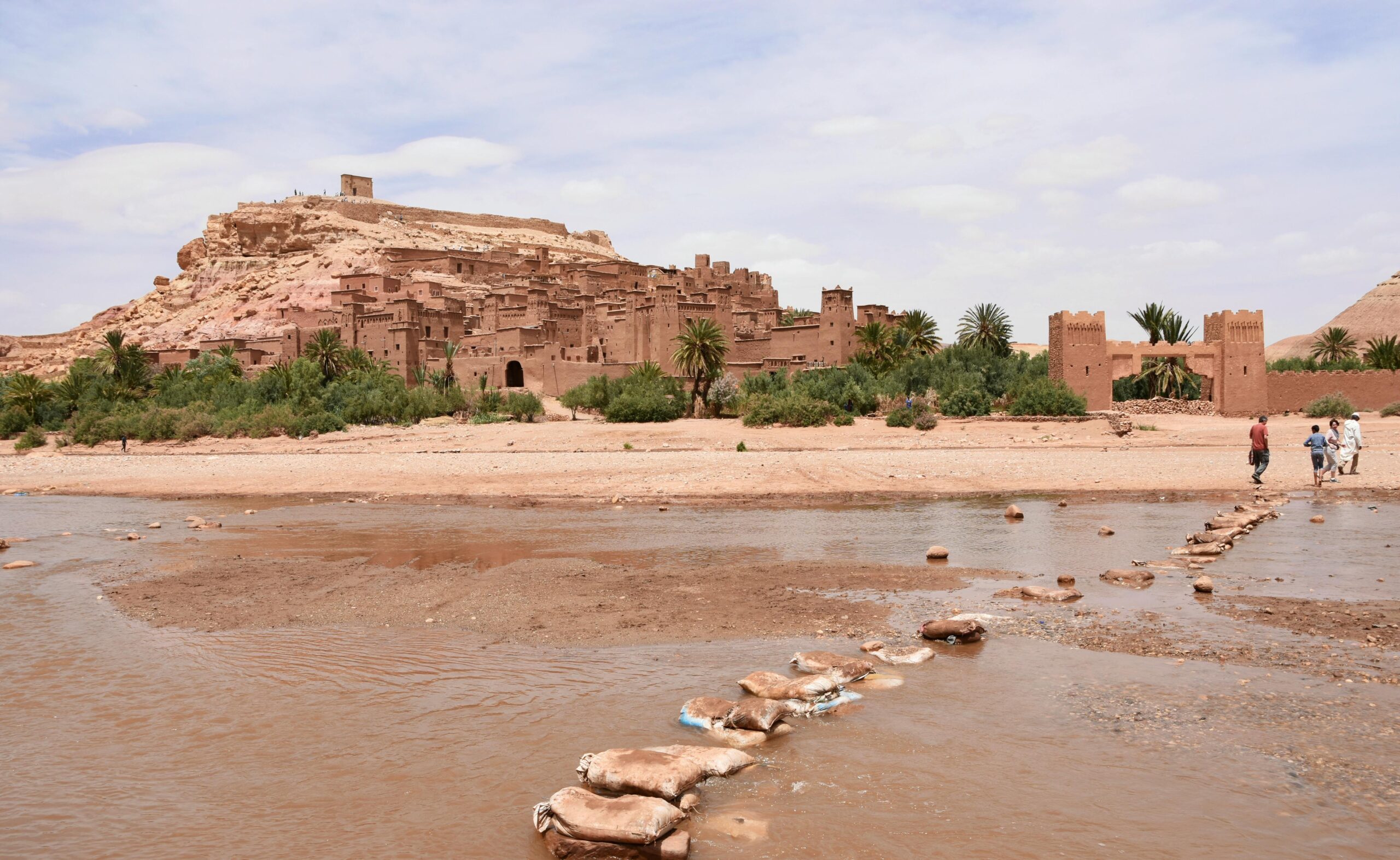
Early maritime exploration during the Age of Discovery fundamentally altered ecosystems across the globe. European expeditions to the Americas, Africa, and Asia introduced invasive species to new continents, disrupted indigenous wildlife populations, and initiated resource extraction patterns that continue to shape environmental challenges today. The introduction of rats, pigs, and other animals to island ecosystems caused extinction events that permanently altered biodiversity.
Colonial exploration established extractive economies focused on timber, minerals, and agricultural commodities. Old-growth forests fell to shipbuilding demands, while the pursuit of precious metals scarred landscapes with mining operations. These historical patterns created environmental degradation frameworks that modern exploration often inadvertently replicates, despite our increased awareness of ecological consequences.
The Industrial Revolution’s Amplification Effect
The advent of steam power and industrial machinery exponentially increased exploration’s environmental footprint. Polar expeditions became feasible but required coal-burning vessels that released unprecedented amounts of carbon dioxide. Railroad construction across continents facilitated economic development while fragmenting habitats and displacing wildlife populations on massive scales.
This period established the carbon-intensive exploration model that persists today, where fossil fuel consumption enables human access to remote locations at significant environmental cost. The infrastructure supporting exploration—from supply chains to communication networks—embedded environmental degradation into the very framework of discovery.
🚀 Space Exploration: The Final Frontier’s Environmental Paradox
Modern space exploration presents a fascinating environmental paradox. While rocket launches contribute relatively small amounts of total global emissions, their impact on the upper atmosphere remains poorly understood. Each launch releases water vapor, carbon dioxide, and other compounds directly into the stratosphere, potentially affecting ozone layer chemistry and atmospheric temperature regulation.
The production of rocket fuel and spacecraft components requires significant energy inputs and generates hazardous waste. Manufacturing facilities consume vast amounts of electricity, often derived from fossil fuels, while specialized materials demand resource-intensive extraction and refinement processes. The aluminum, titanium, and rare earth elements essential to aerospace engineering carry substantial environmental costs from mining through processing.
Space Debris: Orbital Pollution Crisis
Perhaps the most visible environmental cost of space exploration manifests as orbital debris. Thousands of defunct satellites, spent rocket stages, and collision fragments now orbit Earth, creating hazards for functional spacecraft and contributing to light pollution that affects astronomical observations and potentially wildlife behaviors. This accumulating debris represents environmental contamination extending beyond Earth’s surface into the space environment itself.
Current estimates suggest over 34,000 objects larger than 10 centimeters orbit Earth, with millions of smaller particles traveling at velocities capable of damaging operational satellites. As commercial space activities accelerate, this pollution problem intensifies, threatening the sustainability of orbital space as a usable environment for future generations.
🏔️ Terrestrial Exploration: Mountain, Ocean, and Polar Impacts
Contemporary terrestrial exploration continues generating environmental consequences across Earth’s most remote regions. Mount Everest, the ultimate mountaineering destination, now faces a waste crisis with tons of abandoned equipment, human waste, and oxygen bottles littering climbing routes. The increased accessibility of high-altitude climbing has transformed pristine alpine environments into contaminated zones requiring expensive cleanup operations.
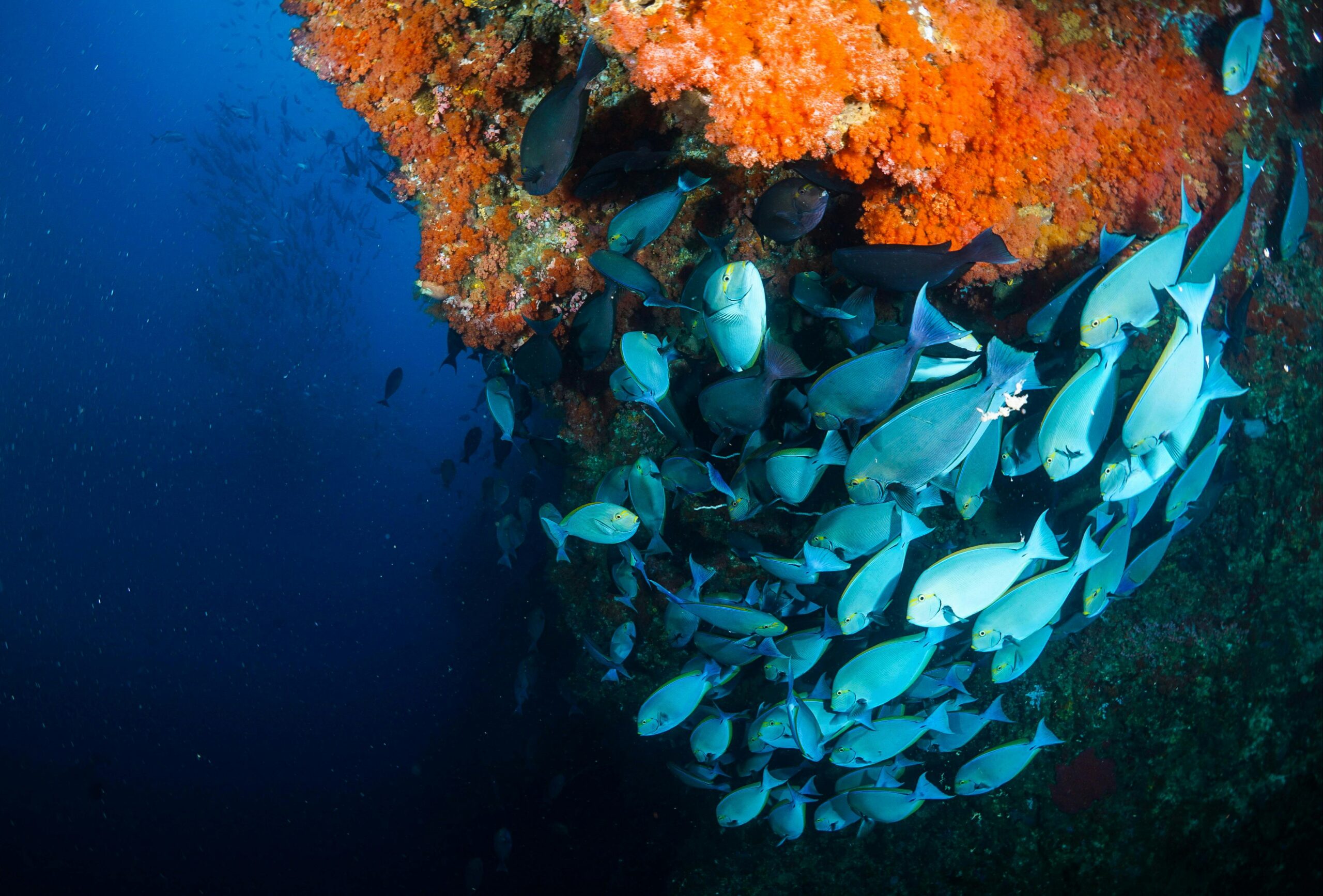
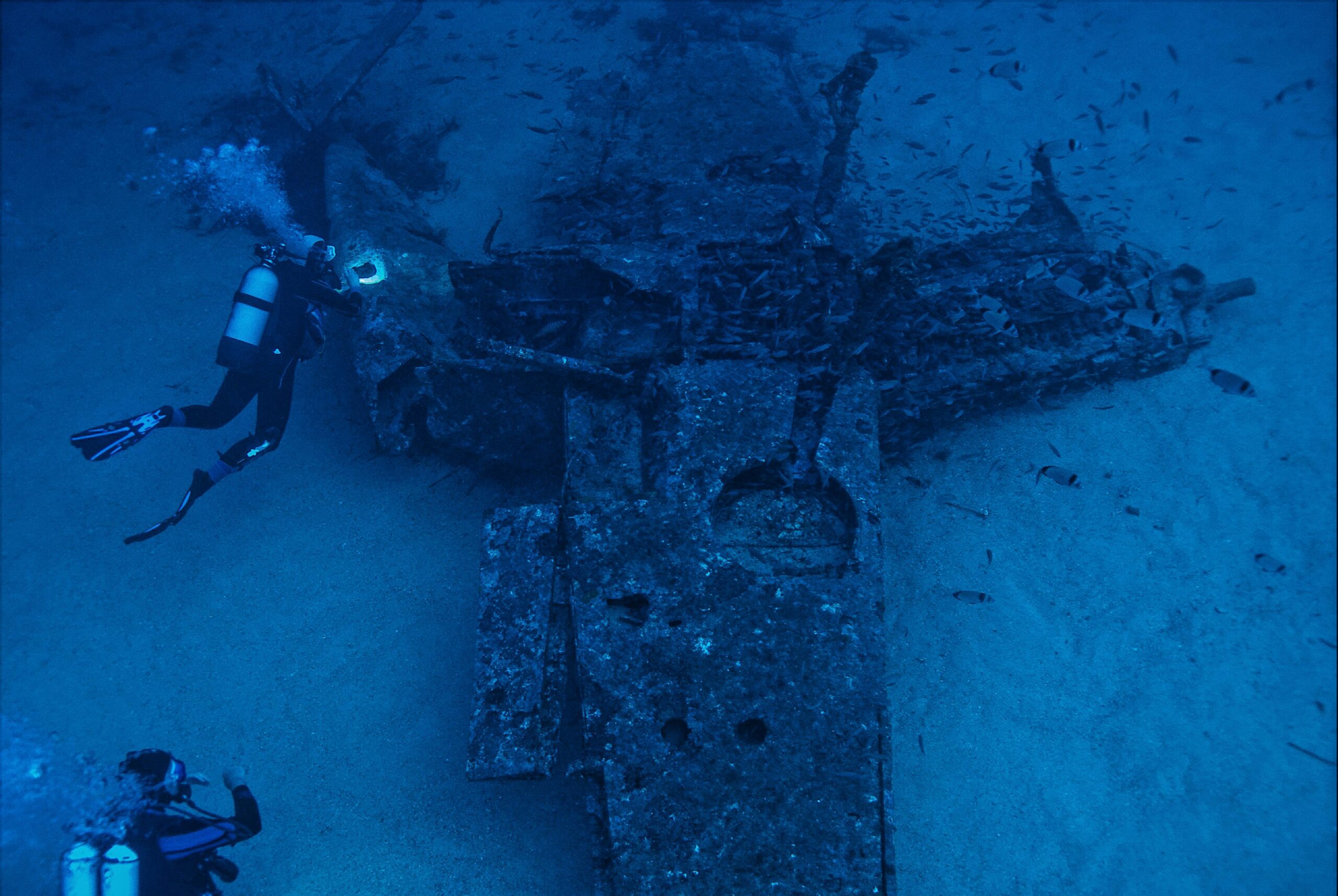
Deep-sea exploration reveals similar patterns. Research submarines and remotely operated vehicles enable unprecedented ocean floor access, but their operations disturb sediments, potentially harming poorly understood benthic ecosystems. The equipment required for deep-ocean research—from support vessels to specialized instrumentation—demands substantial energy inputs and generates its own environmental footprint.
Polar Regions Under Pressure
Arctic and Antarctic exploration exemplifies the tension between scientific necessity and environmental protection. Research stations require constant resupply via fossil fuel-powered ships and aircraft, while infrastructure construction disturbs fragile polar ecosystems. Even minimal human presence in these sensitive environments generates waste management challenges and introduces contaminants to pristine ice and water.
Climate research conducted in polar regions ironically contributes carbon emissions through the very activities measuring climate change impacts. This paradox highlights the complexity of balancing environmental knowledge acquisition with minimizing exploration’s ecological footprint. Scientists increasingly recognize this tension, leading to efforts toward carbon-neutral research operations and reduced-impact methodologies.
💡 Technology’s Double-Edged Sword: Solutions and New Problems
Technological advancement simultaneously enables more sustainable exploration practices while creating new environmental challenges. Satellite technology reduces the need for ground-based surveys, minimizing direct habitat disturbance, yet satellite production and launch carry their own environmental costs. Electric vehicles decrease emissions from terrestrial exploration, but battery production requires lithium and cobalt mining with significant ecological consequences.
Digital technologies transform how we explore and document environments. High-resolution imaging, drone surveys, and remote sensing reduce physical presence requirements in sensitive ecosystems. However, the digital infrastructure supporting these technologies—data centers, communication networks, and device manufacturing—consumes enormous energy quantities and generates electronic waste at unprecedented scales.
Renewable Energy Integration
Renewable energy offers pathways toward more sustainable exploration. Solar panels power remote research stations, reducing diesel fuel dependence. Wind turbines generate electricity for polar facilities, while hydroelectric systems support mountain research operations. These technologies demonstrate that reduced-impact exploration remains achievable with sufficient commitment and investment.
However, renewable energy systems themselves require resource extraction and manufacturing processes with environmental costs. The lifecycle assessment of exploration infrastructure must account for production, operation, and disposal phases to accurately evaluate sustainability improvements.
🔬 Scientific Exploration: Balancing Knowledge and Conservation
Scientific research expeditions generate invaluable environmental knowledge while simultaneously impacting the ecosystems they study. Biodiversity surveys require specimen collection that removes organisms from habitats. Archaeological expeditions disturb soil layers and potentially damage cultural and natural resources. Even non-invasive observation can alter animal behaviors through human presence.
The scientific community increasingly embraces principles minimizing research impacts. Leave No Trace protocols guide field research conduct, while ethical guidelines govern specimen collection. Digital documentation reduces physical sample requirements, and collaborative data sharing prevents redundant expeditions covering identical ground.
Citizen Science and Distributed Exploration
Citizen science initiatives distribute exploration efforts across larger populations, reducing per-capita environmental impacts while expanding data collection capabilities. Smartphone applications enable millions to contribute observations without requiring specialized expeditions. This democratized exploration model reduces concentrated environmental impacts while increasing public engagement with scientific discovery.
🌊 Commercial Exploration: Tourism and Resource Extraction
Commercial exploration activities—particularly adventure tourism and resource prospecting—represent rapidly growing sources of environmental impact. Antarctic tourism exposes fragile ecosystems to thousands of visitors annually, while commercial spaceflight promises to dramatically increase launch frequencies and associated emissions. These profit-driven exploration activities often prioritize economic returns over environmental protection.
Deep-sea mining exploration targets mineral deposits on the ocean floor, threatening ecosystems we barely understand. Prospecting activities disturb sediments and survey vast areas with unknown consequences for marine life. The rush to exploit underwater resources reflects historical patterns where economic opportunity outpaces environmental consideration.
Sustainable Tourism Models
Some commercial operations pioneer sustainable exploration tourism models. Carbon-offset programs compensate for travel emissions, strict visitor protocols minimize habitat disturbance, and educational components foster environmental stewardship. These initiatives demonstrate that commercial exploration need not inherently conflict with conservation when properly managed and regulated.
🔮 Future Challenges: Sustainable Exploration Pathways
Addressing exploration’s environmental costs requires systemic changes across technology development, policy frameworks, and cultural attitudes. Future space exploration must incorporate sustainability from initial design phases, considering full lifecycle impacts from manufacturing through decommissioning. Terrestrial exploration needs binding international agreements protecting vulnerable ecosystems while enabling legitimate scientific research.
Emerging technologies offer hope for reduced-impact exploration. Reusable rocket systems decrease per-launch environmental costs, while artificial intelligence enables virtual exploration reducing physical presence requirements. Biotechnology might provide sustainable materials replacing resource-intensive components currently essential to exploration equipment.
Policy and International Cooperation
International treaties governing exploration activities remain insufficient for addressing contemporary environmental challenges. The Outer Space Treaty predates commercial spaceflight realities, while Antarctic Treaty protections face pressure from resource extraction interests. Strengthening regulatory frameworks requires global cooperation acknowledging shared responsibility for environmental protection.
Carbon pricing mechanisms could internalize exploration’s environmental costs, incentivizing innovation toward sustainable practices. Environmental impact assessments should become mandatory for significant exploration activities, ensuring consequences receive proper consideration before projects proceed.
🌱 Reimagining Exploration: Toward Environmental Harmony
The future of human exploration depends on reconciling our innate curiosity with environmental responsibility. This doesn’t mean abandoning exploration but transforming how we approach discovery. Biomimicry principles could guide technology development, creating exploration systems harmonizing with natural processes rather than overwhelming them.
Indigenous knowledge systems offer valuable perspectives on sustainable environmental interaction. Traditional exploration practices often emphasized minimal impact and reciprocal relationships with ecosystems—principles applicable to contemporary exploration through modern technological interpretation.
Educational initiatives must emphasize exploration’s environmental dimensions, preparing future generations to pursue discovery while maintaining ecological integrity. Environmental literacy should become central to scientific training, engineering education, and public discourse surrounding exploration activities.
🎯 Charting a Responsible Course Forward
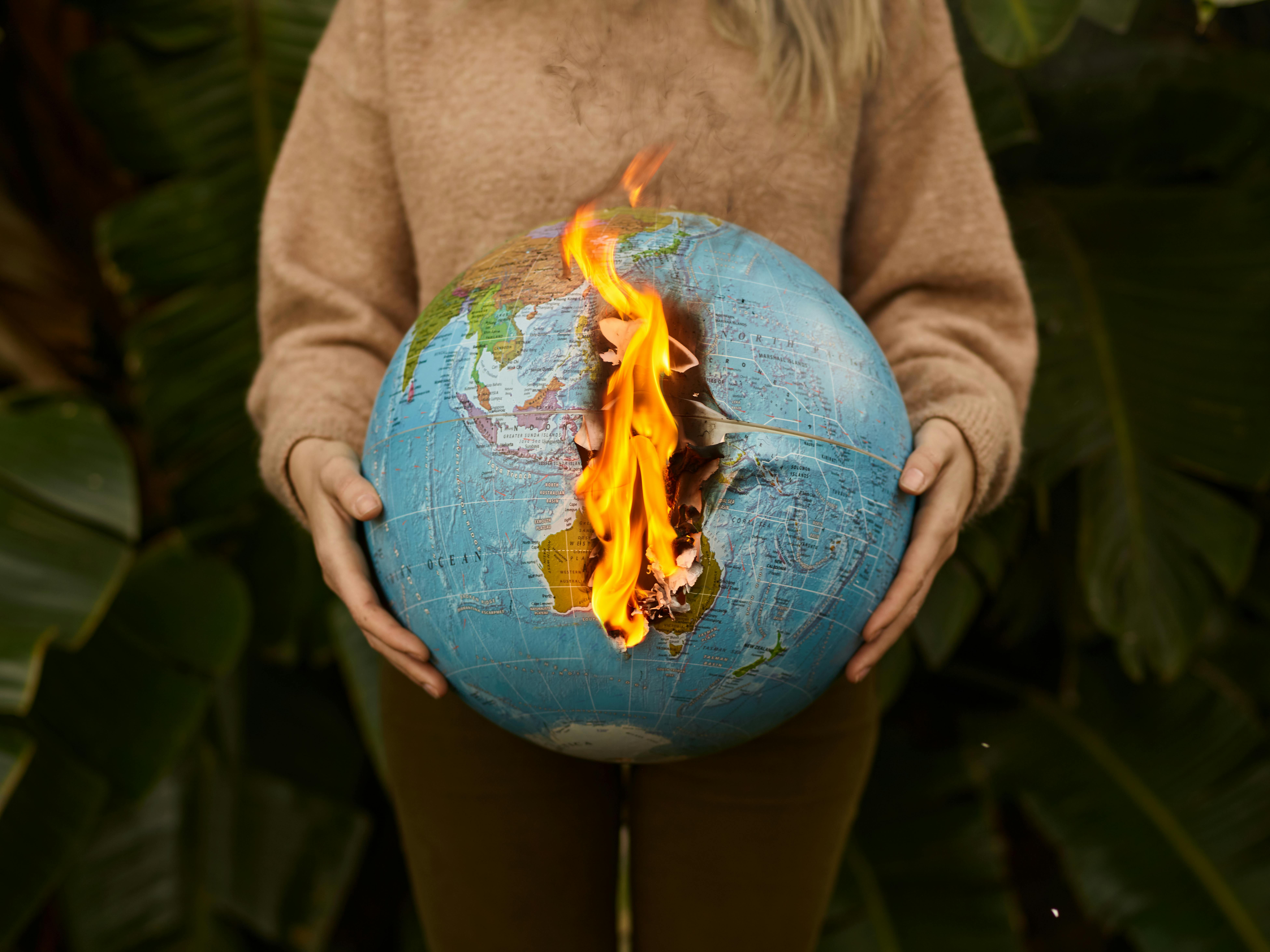
Human exploration stands at a critical juncture. Our technological capabilities enable unprecedented discovery possibilities, yet our planet faces environmental challenges threatening civilization itself. Navigating this tension requires honest assessment of exploration’s true costs and unwavering commitment to sustainable practices.
The hidden environmental costs of exploration—from historical expeditions to contemporary space ventures—demand recognition and remediation. Future exploration must embed sustainability principles from conception through execution, ensuring our quest for knowledge doesn’t compromise the very planet making that quest possible.
Ultimately, the measure of successful exploration extends beyond discoveries made or territories mapped. True success requires leaving environments healthier than we found them, demonstrating that human curiosity and environmental stewardship can coexist. The challenges are substantial, but so too is human ingenuity when directed toward worthy goals. Our exploration future must honor both our exploratory heritage and our responsibility to protect Earth and beyond for generations yet to come.

Toni Santos is a maritime researcher and underwater archaeologist specializing in the study of submerged heritage, ancient port systems, and the cultural landscapes preserved beneath the sea. Through an interdisciplinary and immersive approach, Toni investigates how humanity has left traces of knowledge, commerce, and legend in the underwater world — across oceans, myths, and sunken cities.
His work is grounded in a fascination with wrecks not only as artifacts, but as carriers of hidden meaning. From historic shipwreck discoveries to mythical harbors and lost coastal settlements, Toni uncovers the physical and cultural evidence through which civilizations preserved their relationship with the maritime unknown.
With a background in marine archaeology and underwater survey methods, Toni blends technical analysis with archival research to reveal how oceans were used to shape identity, transmit memory, and encode sacred knowledge.
As the creative mind behind revaltro, Toni curates documented dive studies, speculative harbor maps, and archaeological interpretations that revive the deep cultural ties between water, folklore, and forgotten science.
His work is a tribute to:
The submerged heritage of Historic Shipwrecks and Their Cargoes
The legendary sites of Mythical Harbors and Lost Civilizations
The technical methods of Underwater Exploration Techniques
The natural archiving power of Preservation in Salt and Sediment
Whether you’re a maritime historian, nautical researcher, or curious explorer of forgotten submerged worlds, Toni invites you to explore the hidden depths of oceanic heritage — one wreck, one harbor, one legend at a time.