# Master the Depths: Essential Safety Protocols for Deep Diving Adventures
Deep diving opens portals to underwater worlds few will ever witness, but venturing beyond recreational limits demands rigorous preparation, specialized knowledge, and unwavering commitment to safety protocols.
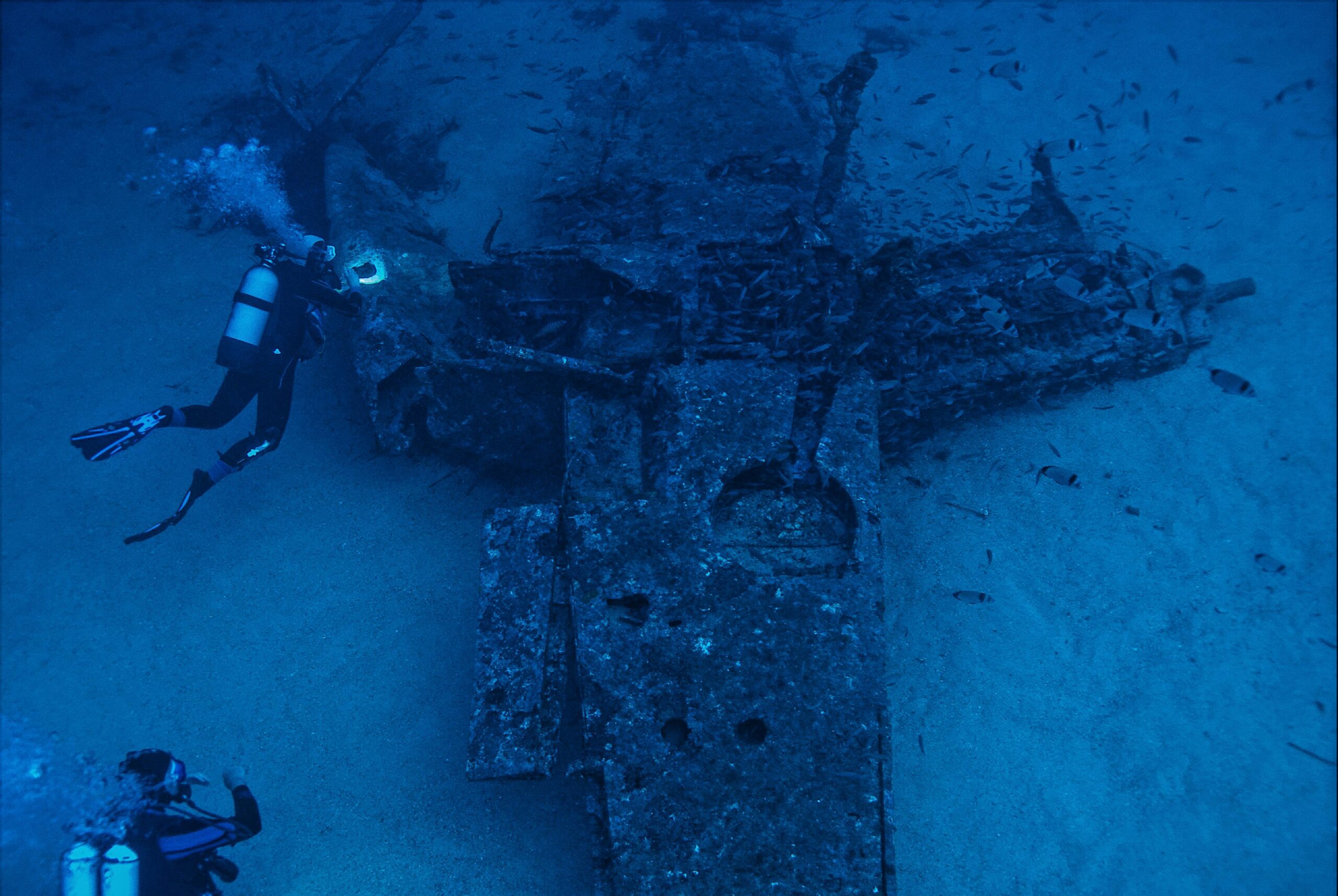
The allure of exploring shipwrecks resting at 60 meters, investigating deep reef formations, or penetrating cave systems draws adventurous divers worldwide. Yet these profound depths present physiological challenges and environmental hazards that transform diving from a recreational activity into a technical discipline requiring precision, planning, and respect for the underwater realm.
Deep diving typically refers to dives exceeding 18-30 meters (60-100 feet), with technical deep diving extending beyond 40 meters (130 feet). At these depths, nitrogen narcosis intensifies, decompression obligations multiply, and equipment failures can quickly escalate into life-threatening emergencies. Understanding and implementing comprehensive safety protocols isn’t merely recommended—it’s essential for survival.
🌊 Understanding the Physiological Challenges of Deep Diving
Your body undergoes dramatic changes as you descend into the depths. Increased atmospheric pressure affects every air-filled space and alters how gases behave in your bloodstream and tissues. Recognizing these physiological responses forms the foundation of deep diving safety.
Nitrogen Narcosis: The Rapture of the Deep
Often called “the martini effect,” nitrogen narcosis impairs judgment, slows reaction times, and creates euphoric sensations that grow more pronounced with depth. Starting around 30 meters, most divers experience some narcotic effects, though individual susceptibility varies considerably.
At 40 meters, cognitive impairment becomes noticeable in most divers. By 60 meters, decision-making abilities can be severely compromised. Experienced technical divers develop tolerance and recognition strategies, but narcosis remains an unpredictable factor that demands conservative planning and buddy awareness.
Decompression Sickness: The Invisible Threat
Deep dives dramatically increase nitrogen absorption into body tissues. Ascending too quickly allows dissolved nitrogen to form bubbles in your bloodstream and tissues, potentially causing joint pain, neurological damage, paralysis, or death.
Decompression stops become mandatory on most deep dives, requiring precise adherence to dive tables or computer algorithms. Even minor deviations from planned ascent schedules can trigger decompression illness, making disciplined depth and time management non-negotiable.
Oxygen Toxicity: Too Much of a Good Thing
At depth, increased partial pressure of oxygen can cause seizures, lung damage, and other serious complications. Central nervous system oxygen toxicity typically occurs when breathing high-oxygen mixtures beyond safe depth limits, while pulmonary toxicity develops from prolonged oxygen exposure.
Technical divers using enriched air nitrox or trimix must meticulously calculate maximum operating depths for each gas mixture, ensuring oxygen partial pressure remains within safe parameters throughout the dive profile.
⚙️ Essential Equipment Configuration for Deep Diving
Deep diving demands redundancy, reliability, and specialized equipment far beyond recreational diving requirements. Equipment failures at depth leave minimal margin for error, making proper configuration literally a life-or-death consideration.
Primary and Backup Systems
Technical deep divers typically employ twin-cylinder configurations or sidemount systems providing complete redundancy. Each cylinder has independent regulators, ensuring gas supply continues even if one system fails completely. This redundancy extends to depth gauges, timing devices, and decompression computers.
Many technical divers carry three computers: a primary wrist-mounted unit, a backup computer, and bottom timer. This redundancy ensures decompression obligations remain calculable even if equipment fails during the dive.
Dive Light Systems and Visibility Equipment
Beyond recreational depths, ambient light diminishes rapidly. Primary dive lights, backup lights, and marker lights become essential safety equipment rather than accessories. Quality lights enable navigation, communication with dive buddies, and inspection of gauges and equipment.
Strobes, SMBs (surface marker buoys), and reels facilitate safe ascents and surface location, particularly when decompression stops occur in open water away from anchor lines.
Specialized Gas Mixtures
Deep diving often requires multiple gas mixtures optimized for different depth ranges. Bottom mix provides breathable gas at maximum depth while minimizing narcosis, travel gas facilitates descent and initial ascent, and decompression gases accelerate nitrogen elimination during safety stops.
Managing multiple cylinders, executing gas switches at precise depths, and maintaining awareness of remaining gas supplies demands extensive training and meticulous attention throughout the dive.
📋 Pre-Dive Planning: The Foundation of Safe Deep Diving
Comprehensive planning distinguishes controlled deep dives from dangerous gambles. Every aspect of the dive—from gas requirements to emergency procedures—requires advance consideration and team agreement.
Dive Profile Development
Creating detailed dive profiles begins with identifying maximum depth, bottom time objectives, and decompression requirements. Conservative dive planning software or tables calculate required decompression stops, total dive duration, and gas consumption rates.
Experienced deep divers build contingency time into profiles, planning for delayed ascents, minor navigation errors, or unexpected situations. Adding 10-20% to calculated gas requirements provides critical safety margins.
Team Communication and Role Assignment
Deep diving teams establish clear communication protocols before entering the water. Hand signals specific to deep diving situations, light signals for low-visibility conditions, and emergency procedures require team consensus and practice.
Assigning specific roles—lead diver, navigation responsibility, timekeeping—ensures coordinated execution. Team members must understand each person’s equipment configuration, enabling assistance during emergencies.
Environmental Assessment
Thorough site assessment identifies currents, visibility conditions, thermoclines, and potential hazards. Weather forecasts, tide schedules, and surface conditions factor into go/no-go decisions. Conservative divers don’t hesitate to abort dives when conditions deteriorate beyond planning parameters.
🔍 In-Water Protocols: Executing the Deep Dive Safely
Even perfect planning fails without disciplined execution. Maintaining situational awareness, following established procedures, and remaining adaptable to changing conditions separate successful deep dives from catastrophic incidents.
Descent Management
Controlled descents prevent ear barotrauma, equipment flooding, and team separation. Descending along reference lines when possible provides orientation and facilitates equalization. Deep divers monitor descent rates, typically maintaining 20-30 meters per minute while continuously equalizing.
Team members remain within visual contact throughout descent, with periodic checks ensuring everyone manages pressure equalization successfully. Stopping descent immediately when equalization difficulties arise prevents injury.
Bottom Time Awareness
At depth, nitrogen narcosis can distort time perception. Rigorous monitoring of dive computers, bottom timers, and depth gauges ensures teams don’t exceed planned bottom times. Conservative divers set alarms for planned turn-around times, building safety margins into every dive phase.
Continuous gas monitoring prevents dangerous supply depletion. Technical divers calculate turn pressures before diving, ensuring sufficient gas remains for ascent, decompression stops, and emergency reserves.
Controlled Ascent Procedures
Ascent represents the most critical dive phase, where decompression sickness risk peaks. Maintaining proper ascent rates—typically 9-10 meters per minute—allows gradual nitrogen release without bubble formation.
Deep stops, once universally recommended, remain controversial, but shallow decompression stops are mandatory on virtually all deep dives. Divers execute these stops at precise depths for calculated durations, continuously monitoring computers and maintaining neutral buoyancy.
🚨 Emergency Procedures: When Things Go Wrong
Despite meticulous planning, emergencies occur. Preparation and practiced responses often determine whether incidents become learning experiences or tragedies.
Managing Equipment Failures
Regulator failures, cylinder valve issues, or computer malfunctions require immediate, practiced responses. Accessing backup regulators, switching to redundant gas supplies, or referencing backup computers must become automatic responses requiring minimal cognitive effort.
Deep divers practice these skills repeatedly in controlled environments, building muscle memory that functions even under narcosis and stress.
Lost Buddy Protocols
Buddy separation at depth creates immediate concern. Established protocols typically involve searching for one minute at current depth before initiating controlled ascent to a predetermined rally point. Surface separation procedures include deploying SMBs and establishing communication with surface support.
Managing Medical Emergencies
Recognizing decompression sickness symptoms, oxygen toxicity seizures, or severe narcosis requires continuous buddy awareness. Immediate response protocols—initiating emergency ascents with in-water recompression stops, administering emergency oxygen, contacting emergency services—can prevent permanent injury or death.
Carrying emergency contact information for hyperbaric chambers and dive emergency services ensures rapid response when needed. Organizations like DAN (Divers Alert Network) provide 24/7 emergency consultation and evacuation coordination.
📱 Technology and Deep Diving Safety
Modern technology enhances deep diving safety through sophisticated dive computers, planning software, and communication devices. However, technology supplements rather than replaces fundamental skills and knowledge.
Dive Computer Selection and Management
Technical dive computers calculate real-time decompression obligations using algorithms like Bühlmann ZHL-16C with gradient factors. These devices track multiple gas mixtures, provide ascent rate warnings, and adjust calculations based on actual dive profiles.
Quality computers include conservative settings, customizable gradient factors, and comprehensive logging capabilities. However, divers must understand underlying decompression theory rather than blindly following computer guidance.
Dive Planning Applications
Software applications enable detailed dive planning, gas consumption calculations, and what-if scenario analysis. Programs like Subsurface, MultiDeco, or V-Planner help divers optimize gas mixtures, calculate decompression schedules, and identify potential profile issues before entering the water.
These tools facilitate team coordination by generating standardized dive plans that all team members can review and discuss during pre-dive briefings.
🎓 Training Pathways: Building Deep Diving Competency
Deep diving skills develop through progressive training with recognized agencies offering structured certification paths. Rushing this progression or skipping foundational skills invites disaster.
Progressive Certification Approach
Most divers begin with Advanced Open Water certification including deep diving specialty, which introduces depths to 30-40 meters. Technical diving certifications like TDI Extended Range, IANTD Technical Diver, or GUE Tech 1 systematically develop skills for deeper dives with decompression obligations.
Each level builds competency in equipment configuration, gas management, emergency procedures, and decompression theory. Quality instruction emphasizes skill mastery over rapid certification accumulation.
Continuing Education and Skill Maintenance
Deep diving skills deteriorate without regular practice. Experienced technical divers maintain proficiency through frequent diving, refresher courses, and scenario-based training. Communities of practice provide peer learning opportunities and constructive feedback.
Annual equipment servicing, skills assessment, and medical examinations ensure divers remain physically and technically prepared for deep diving challenges.
🌍 Environmental Responsibility in Deep Diving
Deep diving sites often harbor fragile ecosystems and historical artifacts requiring protection. Responsible divers minimize environmental impact through proper buoyancy control, awareness of surroundings, and adherence to preservation principles.
Avoiding contact with coral formations, archaeological sites, and delicate marine life preserves these resources for future generations. Participating in conservation efforts and respecting protected areas demonstrates commitment to sustainable diving practices.
💡 Wisdom from the Depths: Making Conservative Choices
The most experienced deep divers share common characteristics: humility, conservatism, and willingness to cancel dives when conditions or preparation fall short of requirements. Ego-driven diving leads to injuries and fatalities, while thoughtful risk assessment enables decades of safe exploration.
Deep diving offers extraordinary experiences—exploring virgin territories, witnessing rare marine life, connecting with maritime history. These rewards come with proportional responsibilities. Comprehensive safety protocols, rigorous training, quality equipment, and conservative decision-making transform deep diving from reckless adventure into calculated exploration.
Every dive teaches lessons. Successful deep divers remain perpetual students, continuously refining skills, updating knowledge, and respecting the profound challenges that depth presents. This mindset, more than any equipment or certification, ultimately determines who safely masters the depths and who becomes a cautionary tale.
The underwater realm beyond recreational limits calls to adventurous spirits worldwide. Answering that call safely requires dedication, investment, and unwavering commitment to protocols developed through decades of experience and, unfortunately, tragedy. Embrace comprehensive preparation, respect the risks, and the depths will reward you with experiences beyond imagination. ⚓
**Word count: approximately 2,050 words**

Toni Santos is a maritime researcher and underwater archaeologist specializing in the study of submerged heritage, ancient port systems, and the cultural landscapes preserved beneath the sea. Through an interdisciplinary and immersive approach, Toni investigates how humanity has left traces of knowledge, commerce, and legend in the underwater world — across oceans, myths, and sunken cities.
His work is grounded in a fascination with wrecks not only as artifacts, but as carriers of hidden meaning. From historic shipwreck discoveries to mythical harbors and lost coastal settlements, Toni uncovers the physical and cultural evidence through which civilizations preserved their relationship with the maritime unknown.
With a background in marine archaeology and underwater survey methods, Toni blends technical analysis with archival research to reveal how oceans were used to shape identity, transmit memory, and encode sacred knowledge.
As the creative mind behind revaltro, Toni curates documented dive studies, speculative harbor maps, and archaeological interpretations that revive the deep cultural ties between water, folklore, and forgotten science.
His work is a tribute to:
The submerged heritage of Historic Shipwrecks and Their Cargoes
The legendary sites of Mythical Harbors and Lost Civilizations
The technical methods of Underwater Exploration Techniques
The natural archiving power of Preservation in Salt and Sediment
Whether you’re a maritime historian, nautical researcher, or curious explorer of forgotten submerged worlds, Toni invites you to explore the hidden depths of oceanic heritage — one wreck, one harbor, one legend at a time.